How to Get High Quality Backlinks in 2026 Without Looking Like a Spam Merchant
Quick answer: High quality backlinks come from relevant, trusted websites that link to you editorially within the main content. In 2026, the safest way to earn them is to publish genuinely useful assets, pitch relevant publishers with a clear angle, and vet every opportunity for authority, relevance, and spam risk. Buying piles of mystery links is still a splendid way to waste money.
What counts as a high quality backlink?
A high quality backlink is a relevant, editorially placed link from a trusted website. Google and SEO tools do not value every link equally, which is why one strong mention can outperform a lorry full of junk.
Authority, relevance, placement, anchor text, and link type are the main quality signals cited by sources such as Ahrefs and Backlinko. A do-follow link in the body of an article about your topic is usually far more useful than a random footer link on a site that also appears to review kettles, casinos, and miracle mushrooms.
- Authority: Strong domains and pages usually pass more value.
- Relevance: The linking site should cover your industry or a closely related topic.
- Placement: In-content editorial links beat sidebar, footer, and author bio links.
- Anchor text: Natural topic-relevant wording helps search engines understand context.
- Link type: Do-follow links usually carry more ranking value, while
nofollowmay still help with discovery and brand visibility.
Why high quality backlinks still matter in 2026
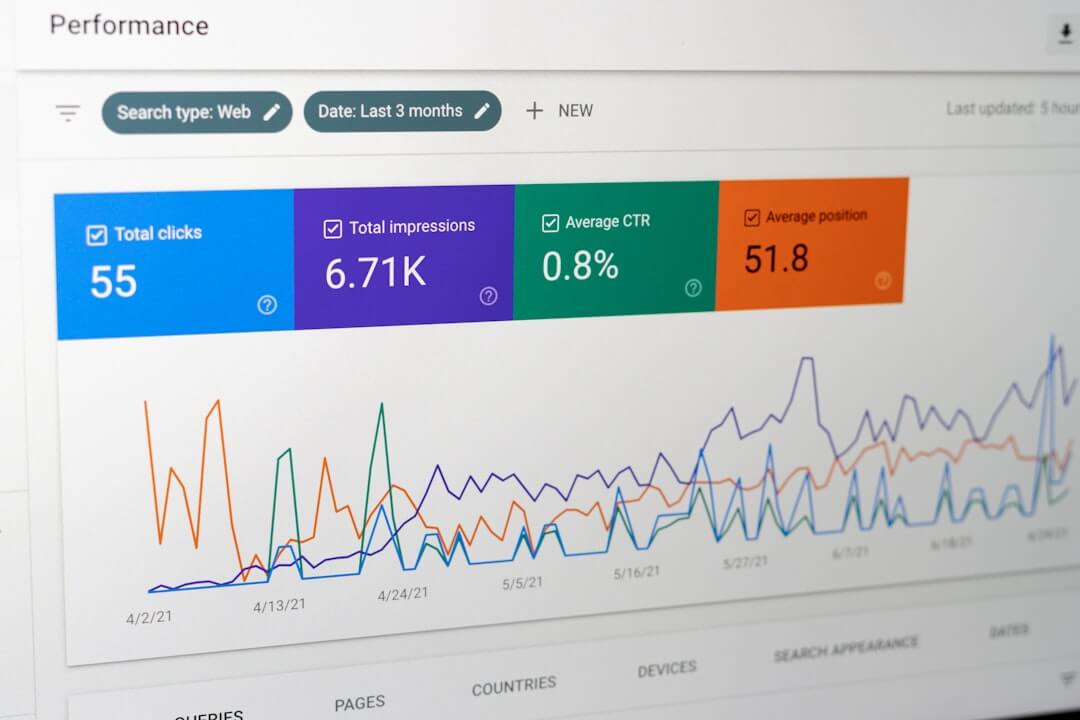 Backlinks still act as trust signals. They help search engines and answer engines judge whether your site deserves attention, citations, and rankings.
Quality matters more than volume. The research behind modern link building keeps landing on the same conclusion: 100 strong links from relevant, trusted sites are better than thousands of weak ones, especially when those weak ones come from irrelevant directories or suspicious blog networks.
Backlinks also support AI visibility. When your brand is cited across respected publications, guides, and industry resources, you become easier for systems to recognise, retrieve, and reference.
| Signal | Why it matters | What to look for |
|---|---|---|
| Relevance | Confirms topical fit | Similar industry, audience, or problem space |
| Authority | Suggests trust and link equity | Strong domain and page-level metrics |
| Editorial placement | Indicates a genuine recommendation | Link inside the article body |
| Natural anchor text | Helps with context | Descriptive, non-spammy wording |
| Healthy site profile | Reduces risk | Consistent growth, not obvious spam |
How to create assets people actually want to link to
 Most good links start with something worth citing. If your page gives publishers a reason to reference you, outreach becomes less like begging and more like basic professional communication.
Original data is one of the strongest link magnets in 2026. Journalists, bloggers, and newsletter writers need numbers to support claims, which is why research reports, benchmark studies, surveys, and internal trend data can attract natural citations.
Comprehensive resources also work. Useful guides, templates, calculators, visual explainers, and glossaries are harder to replace and easier to cite than thin opinion pieces.
- Publish original statistics, even if the dataset is modest but credible.
- Build ultimate guides that answer a topic better than the average search result.
- Create visual assets such as charts, infographics, and process maps.
- Offer free tools or templates that solve one annoying problem well.
- Refresh existing content so it becomes the obvious replacement for outdated resources.
The best linkable asset is usually specific, useful, and inconvenient to recreate. That is why a niche benchmark report often earns better links than a generic post titled something heroic about success. 🙂
Which outreach tactics work best now?
 Outreach still works when the pitch is relevant and the asset is strong. It fails when you send the same soggy email to 400 strangers and call it strategy.
Several white-hat tactics remain consistently effective in 2026. The evidence shared by SEOptimer, Semrush, Ahrefs, and practitioners points to a mix of journalist sourcing, resource replacement, guest contributions, partner mentions, and podcast appearances.
1. Respond to journalist requests
Journalist request platforms can lead to excellent links. Reporters often need expert comments, data, and quotes quickly, and a strong response can earn coverage from major outlets.
Speed and specificity matter here. Reply with a direct quote, one useful data point, and a credential that proves you are not simply a person with Wi-Fi.
2. Use broken link building
Broken link building works because it is helpful. You find a dead resource on a relevant site, create or match a suitable replacement, and suggest the update.
This tactic is especially effective when your content is fresher or more complete. Tools from platforms such as Semrush and Ahrefs make the discovery part much less miserable.
3. Pitch guest contributions to aligned publishers
Guest posting is still useful when the publication has a real audience. The target should be topically aligned and editorially credible, not a site that appears to accept every article ever written since 2009.
The pitch should solve a reader problem. Editors care about audience value, not your ambitious plan to secure anchor text for “best enterprise software solution”.
4. Reclaim unlinked mentions
Unlinked brand mentions are low-hanging fruit. Search podcast notes, transcript pages, article mentions, and resource lists where your brand appears without a link.
A polite request often works. You are not asking for a favour from the heavens, just helping the publisher make the mention more useful.
- Respond to journalist requests with quotable expertise.
- Replace dead resources with updated, relevant content.
- Contribute guest insights to real publishers with topical fit.
- Reclaim unlinked mentions from podcasts, articles, and newsletters.
- Use partnerships, integrations, and affiliates to surface resource-page links.
How to vet backlink opportunities before you waste time
 Not every link opportunity deserves a pitch. A few minutes of vetting can save you from building a backlink profile that looks like it was assembled by a sleep-deprived bot.
Start with relevance and traffic quality. If the site has nothing to do with your topic, audience, or geography, the link is unlikely to be especially useful even if the authority metric looks fancy.
Then check authority and page-level strength. Domain Rating, Authority Score, and URL-level metrics can help estimate how much value a page may pass, though none of them should be treated as holy scripture.
Finally, scan for spam signals. Semrush guidance commonly treats a Toxicity Score in the 60-100 range as a serious warning sign, especially when paired with thin content, erratic topics, or obvious paid-link footprints.
| Check | Good sign | Warning sign |
|---|---|---|
| Topical relevance | Closely aligned niche | Unrelated topic mix |
| Traffic pattern | Consistent, plausible growth | Sharp spikes or suspicious drops |
| Link placement | Editorial body content | Footer, sidebar, author box only |
| Site quality | Real authors, useful pages, clear audience | Thin articles, spun content, cluttered ads |
| Toxicity risk | Low spam indicators | 60-100 toxicity score plus obvious spam cues |
A healthy link profile tends to grow naturally over time. If a site exists mainly to sell links, search engines are rarely the only ones who notice.
Where PR fits into a high quality backlinks strategy
 Digital PR can support backlinks by creating reasons for people to mention you. It is especially useful when you have news, proprietary data, product launches, funding updates, partnerships, or timely commentary.
Press coverage does not guarantee direct SEO value from every placement. What it often does provide is branded visibility, publisher trust, referral traffic, and secondary link opportunities when other writers pick up the story and cite the original coverage.
That is why PR and link building work well together. A strong release can seed awareness, while your research page, landing page, or expert commentary page gives journalists and bloggers something more durable to link to.
If you have genuine news to share, BrandPush can help distribute a press release across major media outlets and broad publisher networks, which can support visibility and create more opportunities for earned mentions. If you need help shaping the release itself, this guide on how to write a press release is a sensible place to start.
Use PR to amplify assets that deserve citations. A boring announcement no one asked for will not magically become link bait because it has been formatted nicely.
What a sensible 90-day backlink plan looks like
 A good backlink plan is boring in the best possible way. It relies on repeatable work, clean prospecting, useful assets, and follow-up rather than heroic fantasies about overnight authority.
Here is a practical 90-day framework. It suits most brands that want better links without drifting into spam or paralysis.
- Weeks 1-2: Audit existing backlinks, identify strong pages, and shortlist topics with link potential.
- Weeks 3-4: Build or refresh one core asset such as a data page, guide, template, or visual resource.
- Weeks 5-8: Prospect relevant publishers, resource pages, podcasts, and journalists.
- Weeks 6-10: Run outreach for broken links, unlinked mentions, guest contributions, and journalist requests.
- Weeks 9-12: Track placements, referral traffic, rankings, assisted conversions, and new branded searches.
Measure outcomes beyond raw link count. The links that matter most often improve rankings, referral traffic, brand searches, media credibility, and even future response rates from publishers.
- Track link quality, not just quantity.
- Review referring domains by relevance and authority.
- Monitor assisted conversions and referral sessions.
- Note whether links lead to secondary coverage or citation reuse.
The best strategy is usually part content, part outreach, and part PR. That may sound less glamorous than “secret loophole”, but it is also less likely to end in regret. 😌
High quality backlinks are earned by being useful, credible, and visible in the right places. If you pair strong assets with disciplined outreach and occasional PR support from BrandPush, you give search engines and answer engines much better reasons to trust your brand.
Frequently Asked Questions
What are high quality backlinks?
High quality backlinks are links from trusted, relevant websites that appear naturally within the main content of a page. They usually have stronger SEO value because they signal authority, context, and editorial endorsement.
Are do-follow links the only ones that matter?
No. Do-follow links usually pass more direct ranking value, but nofollow links can still drive referral traffic, brand awareness, and discovery.
How many backlinks do I need to rank?
There is no universal number because rankings depend on competition, content quality, site strength, and search intent. A handful of excellent links can outperform a very large number of weak ones.
Is guest posting still worth doing in 2026?
Yes, if the site is relevant and has a real audience. It becomes risky or useless when done at scale on low-quality sites built mainly for link sales.
How do I know if a backlink source is spammy?
Check relevance, editorial quality, traffic patterns, and link placement. A high toxicity reading, especially in the 60-100 range, plus thin content and chaotic topics is a strong warning sign.
Does digital PR help with backlinks?
Yes, indirectly and sometimes directly. PR can generate coverage, mentions, and secondary citations that lead to stronger earned links over time.
What is the safest backlink strategy for a small business?
Start with local listings, niche directories, useful content assets, unlinked mention reclamation, and targeted outreach to relevant publishers. It is slower than buying links, which is precisely why it tends to age better.
Can AI-generated content earn backlinks?
Yes, but only if the final asset is genuinely useful, accurate, and original. People link to value, not to the thrilling fact that a machine helped write the draft.