What Are High Quality Backlinks and How Do You Actually Earn Them?
Quick answer: High quality backlinks are links from authoritative, relevant websites that point to useful pages on your site in a natural way. They matter because search engines use links as signals of trust, context, and credibility, but a handful of strong links usually beats a warehouse full of rubbish ones. If your link strategy looks like a coupon bin from 2011, it probably needs work.
What makes a backlink high quality?
A high quality backlink is defined by authority, relevance, placement, anchor text, and destination page. Ahrefs notes that strong links tend to come from trustworthy sites and point readers to pages that genuinely match the topic, rather than landing randomly like an uninvited party guest.
Quality beats volume more often than marketers would like to admit. BrightEdge and other SEO sources consistently describe reputable, relevant links as more valuable for rankings and traffic than low-quality or spammy ones, which is less glamorous than boasting about 5,000 mystery links from websites about nothing in particular.
- Authority: the linking site has an established reputation and publishes credible content
- Relevance: the linking page and your page cover related topics
- Placement: the link appears within useful editorial content, not buried in a footer
- Anchor text: the clickable words make sense naturally and are not stuffed with keywords
- Destination: the link points to a page that deserves the visit
Why high quality backlinks matter for SEO and brand trust
 Backlinks are still one of the clearest off-page trust signals in SEO. Google has long treated links as signals that help assess pages, and modern search engines still rely on link patterns to understand which sources deserve visibility.
Good links do more than influence rankings. They can drive referral traffic, improve brand recognition, support entity recognition, and reinforce topical authority when your brand keeps appearing in credible places.
Here is the practical difference between strong and weak links:
| Link trait | Likely impact |
|---|---|
| Relevant editorial link from trusted site | Better trust, stronger context, possible ranking support |
| Link from unrelated low-quality directory | Little value, possible risk, negligible trust |
| Link to a useful page with clear context | Better user signals and stronger relevance |
| Link to a thin or irrelevant page | Weaker outcomes and lower conversion potential |
This is why 100 quality backlinks can outperform thousands of junk links. That exact principle appears repeatedly in backlink guidance, including the research you supplied, and it aligns with how sensible SEO works in the real world.
How to tell if a backlink opportunity is actually worth pursuing
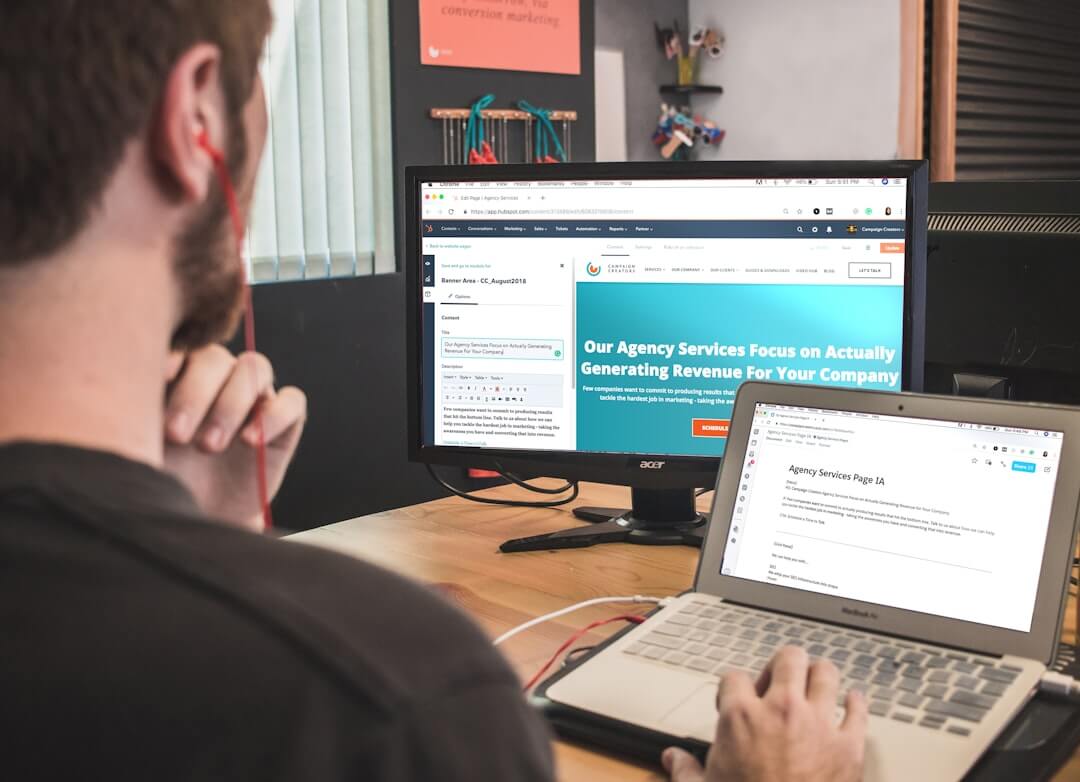 Not every link opportunity deserves your time. A backlink is only useful if it can help a real audience, support topic relevance, and sit on a page that search engines are likely to trust.
Start by checking the context before you check your excitement levels. A flashy site name means very little if the article is irrelevant, thin, syndicated into oblivion, or clearly built for link selling rather than readers.
Ask these questions before saying yes:
- Is the site topically relevant to your industry or audience?
- Is the article likely to be read by humans with functioning judgement?
- Does the link sit inside the main body content rather than an author bio graveyard?
- Does the destination page offer something genuinely useful, such as a guide, research page, or product category?
- Would you still want the placement if search engines ignored the link entirely?
That last question is a useful filter. If the answer is no, the opportunity may be a vanity placement dressed up as SEO.
How to earn high quality backlinks without resorting to nonsense
 The safest way to earn better links is to publish things worth citing and promote them intelligently. That usually means combining strong content with outreach, digital PR, partnerships, and occasionally a decent amount of patience, which is annoying but true.
Most link earning falls into a few repeatable buckets. You do not need 47 tactics and a wall chart that frightens interns.
- Create linkable assets. Original data, expert quotes, templates, calculators, checklists, and genuinely useful explainers tend to attract links over time.
- Use digital PR. Newsworthy announcements, trends, founder commentary, and expert responses can earn citations from journalists and publishers.
- Pitch resource pages and relevant editors. If your content fills a gap, ask for inclusion where it makes editorial sense.
- Reclaim unlinked mentions. If people mention your brand without linking, ask politely for the link to be added.
- Refresh old content. Updated statistics and improved structure can turn stale pages into linkable resources again.
Press releases can help when the story is genuinely newsworthy and the landing page is solid. BrandPush can support that process by distributing announcements to established publications, which can strengthen brand visibility, increase citations, and create secondary link opportunities when other sites pick up the story. If you have actual news, you can get started here. 🙂
Where press releases fit into a high quality backlink strategy
 Press releases are best treated as a visibility tool, not a shortcut to magic SEO. They work when they help your brand get discovered, cited, searched, and referenced by publishers, bloggers, and researchers who then create their own coverage.
The indirect value is often the interesting part. A press release can lead to branded search growth, media mentions, knowledge signals, and secondary editorial links, which is far more durable than obsessing over one raw link metric.
A sensible press release-led link strategy usually looks like this:
- Publish a release only when there is real news or a useful angle
- Link to a page that supports the story with evidence, context, or next steps
- Make the release easy to quote with facts, names, and clear claims
- Track secondary pickups, branded searches, referral visits, and assisted conversions
If you need help shaping the release itself, use this guide on how to write a press release. The aim is not to force links into existence but to create a story other sites want to reference.
Common mistakes that turn decent backlinks into useless ones
 Most backlink problems come from bad judgement rather than bad luck. Teams chase easy wins, ignore relevance, or point links to pages that do not deserve attention, then wonder why nothing improves.
The usual mistakes are painfully predictable. SEO has many new acronyms, but the old errors remain loyal.
- Chasing volume over quality
- Using exact-match anchor text too aggressively
- Building links to weak pages with no clear purpose
- Accepting placements on irrelevant sites for the sake of a metric
- Treating every press release like a link scheme instead of a PR asset
- Ignoring on-page quality, which means the page cannot convert or retain visitors anyway
A backlink cannot rescue a bad page. If the destination lacks useful content, clear structure, and search intent alignment, even a good link has less to work with.
For a more realistic view of how PR supports search, see our article on how to use a press release for SEO without treating it like a link trick. It explains why discoverability and citations often matter more than simplistic link counting.
How to measure whether your high quality backlinks are working
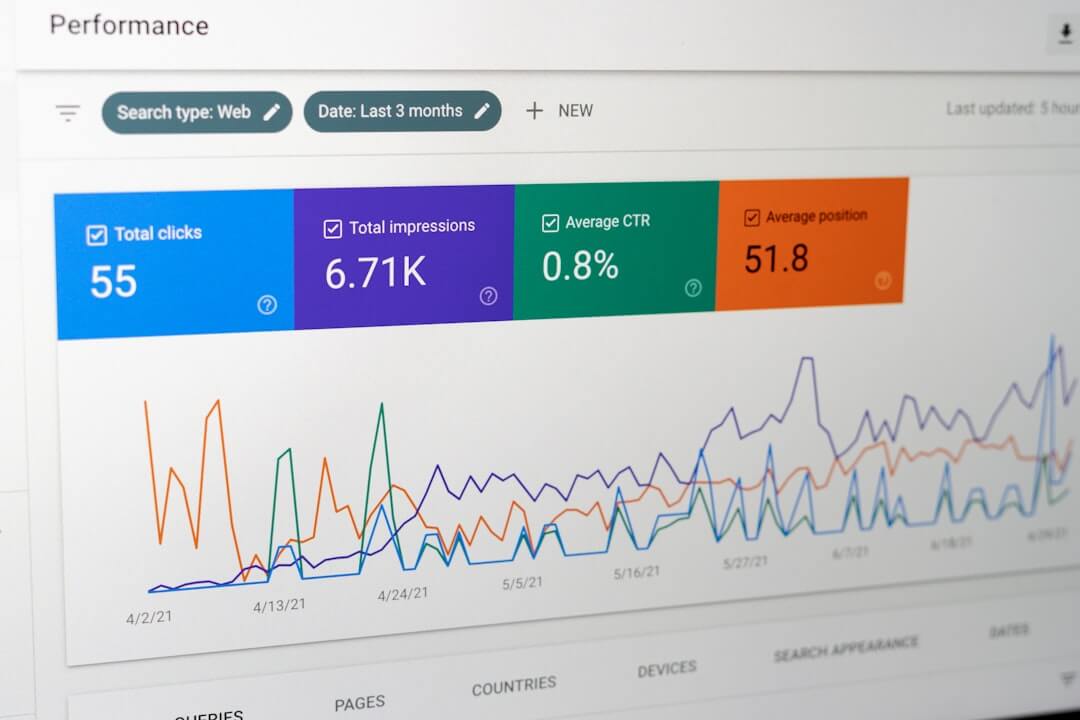 The right metric is not just link count. You need to track whether better links improve rankings, referral traffic, branded search, assisted conversions, and visibility on key pages.
Measure outcomes in layers. That keeps you from celebrating a pretty spreadsheet while revenue stays suspiciously still. 😅
Here is a simple measurement framework:
| Metric | What it tells you |
|---|---|
| Referring domains | Whether unique sites are linking to you |
| Topical relevance | Whether links fit your subject area |
| Referral traffic | Whether people actually click through |
| Rankings on target pages | Whether linked pages gain visibility |
| Branded search volume | Whether awareness is improving |
| Conversions from referral sessions | Whether the traffic has business value |
Use backlink reports alongside page performance data. Moz, Ahrefs, and Search Engine Journal all recommend evaluating links in context rather than using a single authority metric as if it were handed down on stone tablets.
Useful external references include Ahrefs on backlink quality, BrightEdge on quality backlinks, and Moz’s beginner resources on link building. They agree on the broad point: authority and relevance matter more than raw link quantity.
If your aim is media visibility that can support stronger link earning over time, BrandPush can help you publish news in a format editors and search systems can understand. You can also review the pricing and package options if you are deciding how formal your distribution process needs to be.
High quality backlinks are not mysterious. They come from trusted, relevant sources, point to useful pages, and usually appear because your brand published something worth citing or talking about.
The practical play is simple: build assets worth linking to, use PR to create legitimate visibility, and judge every opportunity by relevance and usefulness rather than vanity numbers. That approach is slower than buying nonsense links, but unlike nonsense links, it tends to age well.
Frequently Asked Questions
What is the simplest definition of high quality backlinks?
High quality backlinks are links from trustworthy, relevant websites that point naturally to useful pages on your site. They help search engines and readers understand that your content is credible and worth visiting.
Are high quality backlinks better than getting lots of links?
Yes. A smaller number of relevant, authoritative links usually does more for trust and visibility than a large number of weak or spammy links.
Do backlinks still matter for SEO in 2026?
Yes, but context matters more than ever. Search engines evaluate link quality, topical relevance, and natural patterns rather than rewarding raw quantity alone.
How many high quality backlinks do I need?
There is no universal number. What matters is whether your links are stronger and more relevant than those of competing pages for the same search terms.
Can press releases help build high quality backlinks?
They can help indirectly and sometimes directly when the story is newsworthy. The real value often comes from media pickups, citations, and secondary editorial links rather than treating the release as a pure link tactic.
What makes a backlink low quality?
Low-quality backlinks usually come from irrelevant, thin, spammy, or obviously manipulative websites. They often add little user value and can weaken trust if they form a pattern.
Should I use exact-match anchor text for backlinks?
Use it sparingly. Natural anchor text that matches the context is usually safer and more believable than repetitive keyword stuffing.
How do I check whether a site is worth a backlink from?
Look at topical relevance, editorial standards, traffic quality, and whether the article would be useful even without SEO value. If the site exists mainly to sell placements, that is not a great sign.
What pages should high quality backlinks point to?
They should point to pages that genuinely deserve attention, such as research, guides, tools, category pages, or strong commercial pages tied to the topic. Sending a valuable link to a thin page is a bit like pouring decent tea into a cracked mug.
Can bad backlinks hurt my site?
A few random poor links are common and not usually catastrophic. A large pattern of manipulative or irrelevant backlinks, however, can create trust problems and is best avoided.