How to Get High Quality Backlinks in 2026 Without Buying Rubbish Links
Quick answer: High quality backlinks are editorial links from relevant, trusted websites that genuinely help users and support your authority. In 2026, they still matter because pages with at least one backlink are reported to be 77% more likely to reach the top 10, while 78.1% of SEOs say link building delivers positive ROI. The trick is not getting more links for the sake of it, but earning the right ones through useful content, credible news, and sensible outreach.
What counts as a high quality backlink?
A high quality backlink is an editorial vote, not a random souvenir from the internet. It usually comes from a relevant site, sits naturally within useful content, and points to a page worth visiting.
Quality beats quantity, and the industry has finally stopped pretending otherwise. Research cited by WorldReach found 62% of respondents prioritise quality over quantity, while Arvow reports 92.2% of page-one backlinks are editorial.
- Relevant to your industry or topic
- Placed within genuine editorial content
- Sent from a trusted site with real readership
- Pointing to a useful page, not a dead-end sales pitch
- Likely to drive authority, referral traffic, or both
Why high quality backlinks still matter in 2026
 Backlinks still influence visibility because search engines treat them as signals of trust and relevance. That is not terribly glamorous, but it remains commercially useful.
The money going into link building tells the story. The global link-building services market is estimated at roughly $25.97 billion to $30.32 billion in 2026, with one projection reaching $57.07 billion by 2030, according to data compiled by Resourcera.
Budgets are rising because brands still see results. One gathered report says 58% of SEOs increased link-building budgets in 2026, and 64% spend $3,000 or more per month on it, while 78.1% report positive ROI.
| Metric | Reported figure | Why it matters |
|---|---|---|
| SEOs reporting positive ROI | 78.1% | Link building is still commercially viable |
| Pages with at least one backlink more likely to hit top 10 | 77% | Even a single quality link can matter |
| SEOs prioritising quality over quantity | 62% | Low-grade volume is losing favour |
| SEOs spending $3,000+ monthly | 64% | Serious brands still invest consistently |
How to judge backlink quality before you chase it
 A good backlink opportunity should pass a common-sense test before it passes a metrics test. If the site looks abandoned, irrelevant, or stuffed with casino posts and diet pills, you can stop there.
Metrics help, but they are not magic. Resourcera reports that about 52% of SEO professionals want a website to have a Domain Rating of at least 50 before they consider a placement, which is useful as a benchmark rather than a religion.
- Check topical relevance first
- Review whether the site publishes real editorial content
- Look for signs of traffic, updates, and genuine brand activity
- See whether outbound links feel selective rather than indiscriminate
- Ask whether the linked page on your site actually deserves the visit
Anchor text deserves a bit less drama than it usually gets. Natural anchors, branded mentions, and descriptive phrasing tend to age better than exact-match keywords wedged in with a crowbar.
The best ways to earn high quality backlinks
 The safest backlink strategies are the ones that create something worth citing. That usually means digital PR, original data, expert commentary, useful tools, or properly helpful resources.
Editorial links tend to follow stories, not begging emails. If you want links from reputable publications and niche sites, give people a reason to reference you.
1. Create original data or a strong angle
Original data gives journalists and bloggers something concrete to cite. Surveys, internal trend reports, pricing analyses, and market observations often travel further than generic opinion.
Numbers make content quotable. That is one reason round-ups and research-led posts attract links, especially when the figures are clear, current, and easy to reference.
2. Use digital PR to package the story
A press release is most useful when it frames a real announcement or data point clearly. It can support visibility, help publications discover your angle, and create more opportunities for earned coverage.
Distribution is a starting point, not a magic spell. If you have genuine news, BrandPush can help put that release in front of major outlets and wider syndication networks, which supports discovery and can lead to secondary pickup.
3. Build linkable assets on your site
Some pages are simply easier to link to than others. Detailed guides, calculators, glossaries, benchmark pages, and original research hubs earn links because they solve a problem without demanding applause.
- Research pages with updated statistics
- Beginner guides that explain jargon clearly
- Free templates, checklists, and calculators
- Industry glossaries with internal linking baked in
- Case-style insight pages with real lessons
4. Pitch expert commentary
Journalists constantly need usable quotes from credible people on deadlines that would frighten a saint. If your founder or in-house specialist can explain a trend quickly and clearly, that can lead to citations and backlinks.
5. Reclaim unlinked mentions
Some of your easiest wins are hiding in plain sight. If a publication mentions your brand without linking, a polite email asking for the source link often works better than cold outreach to strangers 🙂
What high quality backlinks actually cost now
 Backlinks are not cheap anymore, and pretending otherwise wastes everyone’s Tuesday. Gathered 2026 data suggests the average willingness to pay for a quality backlink is $508.95, while 47% of SEOs say they pay $500 or more for a high-quality link.
Different acquisition routes come with very different price tags. Arvow reports direct guest posts average $364.76, while agency-mediated guest posts average $1,459.06.
Placement costs are rising across the market. One gathered report says link placement fees increased by around 20% to 40% between 2024 and 2026, which is exactly the sort of inflation nobody asked for.
| Backlink route | Reported cost benchmark | Notes |
|---|---|---|
| Average willingness to pay for quality backlink | $508.95 | Broad market benchmark |
| Direct guest post | $364.76 | Usually lower control and mixed quality |
| Agency-mediated guest post | $1,459.06 | Higher service layer, not always higher value |
| Link placement fee trend | +20% to 40% | Rising acquisition costs since 2024 |
PR-led campaigns can make more economic sense when the story is strong enough to earn multiple outcomes at once. Instead of chasing one link at a time, you may get coverage, branded search lift, referral traffic, and secondary citations from one well-packaged announcement.
If you are issuing news, budget for the whole workflow rather than just the link. That includes writing, angle development, landing-page quality, and distribution, especially if you want coverage that can support broader SEO goals.
A simple 5-step process to get high quality backlinks
 Most backlink campaigns fail because the plan starts with targets instead of assets. Start with something worth linking to, then work outward.
- Choose a link-worthy page. Pick a page with clear value, such as original research, a practical guide, or a strong product category explainer.
- Match it to the right angle. Ask what would make a publisher, journalist, or industry writer care right now.
- Build a prospect list by relevance. Focus on niche sites, industry publications, resource pages, and journalists who cover your topic.
- Send short, useful outreach. Lead with the value, provide the source, and avoid writing as if you were generated by a very eager toaster.
- Track outcomes beyond the link. Measure rankings, referral traffic, assisted conversions, branded search, and follow-on mentions.
This process works better when your message is timely. New data, launches, partnerships, funding, hiring, and market commentary all give outreach a reason to exist.
If your angle is newsworthy, a press release can support the process. BrandPush is useful here because it helps brands distribute legitimate announcements efficiently and gives them a practical route to wider media visibility.
Common mistakes that ruin backlink quality
 The fastest way to waste a backlink budget is to chase volume from irrelevant sites. Many brands still do this, then act surprised when nothing improves.
Low-quality tactics often look efficient right up until they are not. A cheap batch of links may produce a tidy spreadsheet, but it rarely produces durable rankings.
- Buying links from unrelated websites
- Using over-optimised anchor text everywhere
- Pointing links to weak pages with no clear value
- Ignoring brand mentions that could be reclaimed
- Treating distribution alone as a complete SEO strategy
Another common mistake is sending news that is not actually news. A press release about a logo tweak and two new coffee mugs is unlikely to trigger quality editorial interest.
The better approach is to connect PR and SEO properly. Use a strong release, a useful destination page, and follow-up outreach so your announcement can support both discovery and earned links.
How to measure whether your backlinks are working
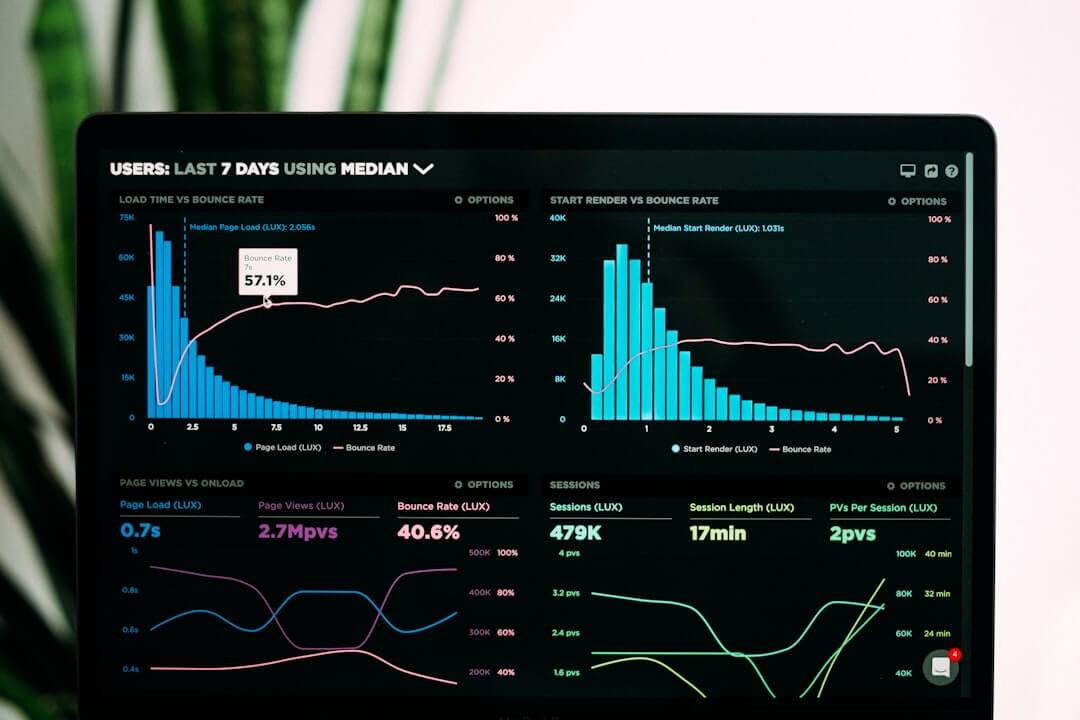 A backlink is only valuable if it improves something that matters. That might be rankings, organic traffic, referral visits, brand recognition, or conversions.
Vanity metrics should not run the whole show. A link from a trusted, relevant page with modest traffic can outperform a flashy mention that nobody reads.
| KPI | What to check | Good sign |
|---|---|---|
| Rankings | Movement for target pages and related terms | Gradual improvement over weeks |
| Organic traffic | Sessions to linked and related pages | Sustained growth, not one-day spikes |
| Referral traffic | Visits from linking domains | Engaged users, not instant bounces |
| Branded search | Search demand for your brand name | Lift after coverage or campaigns |
| Conversions | Assisted sign-ups or sales | Links contribute to revenue path |
Use a before-and-after baseline whenever possible. Compare page visibility, impressions, and conversions before outreach starts, otherwise you are mostly collecting anecdotes in a trench coat.
Links work best as part of a wider authority strategy. That means stronger pages, clearer expertise signals, better internal linking, and content that answers real questions, as covered in BrandPush’s guide to ranking on Google. 😌
If you are using press releases in the mix, make sure the release itself is properly built. BrandPush also has a practical press release writing guide so the asset has a better chance of supporting coverage rather than drifting quietly into the void.
High quality backlinks are earned through relevance, authority, and timing, not through wishful thinking and bulk spreadsheets. In 2026, the brands getting results are the ones pairing useful assets with credible PR, sensible outreach, and realistic measurement.
That is why a PR-led SEO approach can be so effective. If you have genuine news or data, BrandPush can help you turn it into wider visibility that supports both search and brand growth.
Frequently Asked Questions
What is the difference between a backlink and a high quality backlink?
A backlink is any link from one website to another. A high quality backlink comes from a relevant, trusted site, appears naturally in editorial content, and points to a useful page.
Do high quality backlinks still help SEO in 2026?
Yes, they still matter. Gathered research reports that pages with at least one backlink are 77% more likely to reach the top 10, and 78.1% of SEOs say link building produces positive ROI.
How many high quality backlinks do I need?
There is no universal number because competition, relevance, and page quality all vary. A handful of strong editorial links can outperform dozens of weak ones from irrelevant sites.
Are paid backlinks worth it?
Paying for access, content creation, or promotion can sometimes be part of a campaign, but low-quality paid links are risky and often poor value. The better test is whether the placement is relevant, editorially credible, and useful for real readers.
What is a good website metric for backlink quality?
Metrics such as Domain Rating can help, but they are only part of the picture. One gathered report says 52% of SEO professionals look for a DR of 50+, but relevance and editorial standards matter just as much.
Can press releases help you get high quality backlinks?
Yes, but mostly when the release contains real news and supports wider outreach. Press releases are better at creating discovery and secondary coverage opportunities than acting as a guaranteed link button.
How long does it take for backlinks to affect rankings?
It usually takes weeks or months, not days. Search impact depends on crawl frequency, competition, page quality, internal linking, and whether the backlink is actually meaningful.
What pages are easiest to build backlinks to?
Pages with practical value tend to attract links most easily. Original research, detailed guides, free tools, templates, and useful industry explainers usually perform better than thin commercial pages.
Should small businesses focus on backlinks or content first?
They should usually start with content worth linking to. Outreach is much more effective when the destination page genuinely deserves attention.