What Are High Quality Backlinks and How Do You Actually Earn Them?
Quick answer: High quality backlinks are links from relevant, trusted websites that help people discover your brand and can support search visibility. The best links usually come from earned coverage, useful content, and genuine authority, not from random directories or bulk link schemes. A backlink is only “high quality” if it makes sense for the reader as well as the algorithm.
What counts as a high quality backlink?
A high quality backlink is a relevant editorial link from a credible website to a useful page on your site. It should fit the topic, appear naturally in context, and send a clear signal that your page is worth referencing.
Authority matters, but relevance matters more than people admit at networking events. A link from a respected niche publication can be more useful than a link from a big site that has nothing to do with your audience.
- Relevant source: the linking site covers your industry, topic, or audience
- Editorial placement: the link appears within real content, not a buried profile page
- Useful destination: the page being linked to actually helps the reader
- Trusted context: the site has genuine standards, not obvious spam signals
Why high quality backlinks matter for SEO and visibility
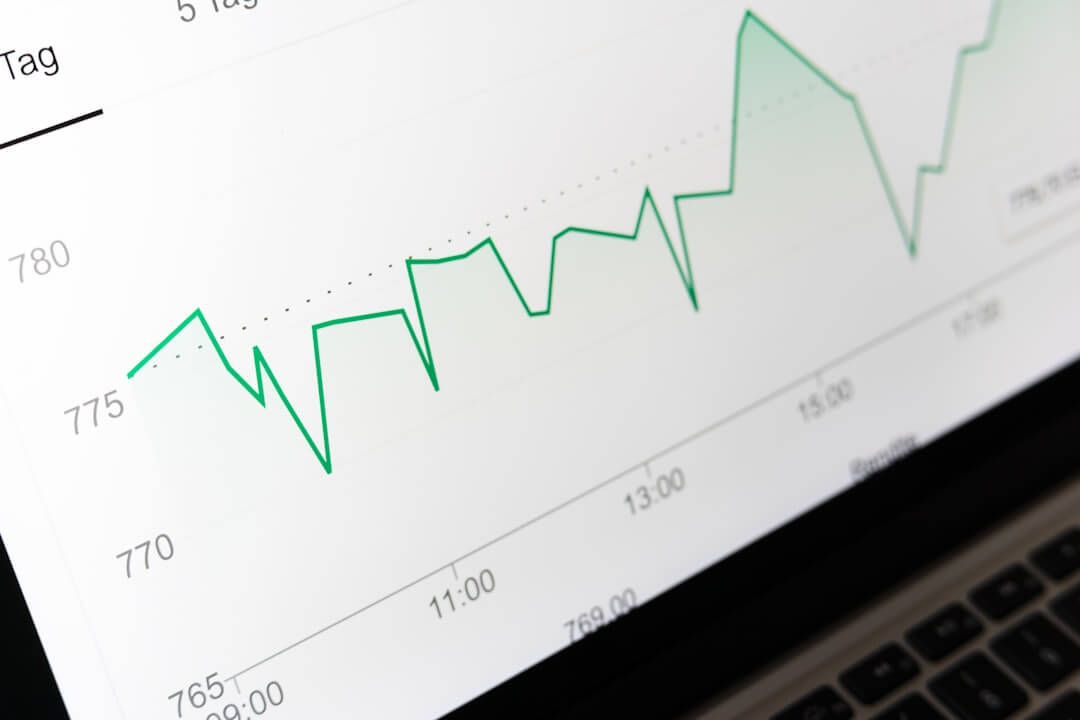 High quality backlinks can support both rankings and brand discovery. They help search engines understand which pages are worth surfacing, while also sending referral traffic and building credibility with real people.
A backlink should be judged by more than rankings alone. Even traditional PR thinking treats ROI as a mix of short-term returns and long-term benefits, including distribution costs, creation time, and wider brand impact, as noted in this press release ROI overview.
| Benefit | What it can improve | What to watch |
|---|---|---|
| Search visibility | Keyword discovery, page authority signals | Results are rarely instant |
| Referral traffic | Visits from readers on the linking site | Traffic quality varies by publication |
| Brand trust | Perceived legitimacy and proof | Weak mentions add little |
| Media momentum | More citations and secondary coverage | Only if the story is worth repeating |
Reach can amplify link value when the audience fit is strong. For example, Yahoo Finance said it reached more than 150 million global monthly visitors in April 2024, which shows why coverage on large finance platforms can create visibility well beyond a single link.
How to tell whether a backlink is actually good
 Most bad backlink decisions happen because people use one metric as a shortcut. A strong link is usually the result of several signals lining up rather than one shiny score on a dashboard.
Start with a simple quality check before you celebrate the URL. Ask whether the linking page is topically relevant, whether the article looks editorially reviewed, and whether a normal human would click the link without feeling tricked.
- Check whether the site covers your sector or adjacent topics
- Review the page itself for editorial quality, authorship, and formatting
- Look at whether the link points to a useful internal page rather than a vague homepage
- Assess whether the mention is branded, contextual, and natural
- Avoid pages stuffed with casino links, spun copy, or twenty guest post bios nobody asked for
Traffic can matter, but context matters first. A modest niche site with an engaged readership can be more valuable than a giant website where your mention is lost in a content graveyard.
Where do high quality backlinks usually come from?
 The best backlinks are usually earned, not bought in bulk. They tend to come from journalists, publishers, industry blogs, research citations, expert roundups, and useful resources people genuinely want to reference.
Digital PR is one of the most practical ways to create those opportunities. A well-timed announcement, data point, founder insight, or expert comment can lead to coverage that improves both visibility and link prospects 🙂
Here are the most common sources of high quality backlinks:
- Earned media coverage from news sites and trade publications
- Original research that gives writers a statistic to cite
- Useful tools or templates that solve a clear problem
- Expert commentary included in roundups or feature stories
- Partner pages and associations where the relationship is real
- Resource pages that curate practical references for a topic
Press releases fit best when there is actual news behind them. If you have a launch, milestone, funding update, report, or partnership, a distribution service like BrandPush can help turn that announcement into broad visibility and media pickup opportunities without pretending every syndicated link is an SEO miracle.
What does not count as a high quality backlink?
 A backlink is not high quality just because it exists. Volume-only link building usually produces the digital equivalent of handing out flyers in an empty car park.
Low-quality links often share the same warning signs. They come from irrelevant sites, thin content pages, obvious link farms, paid placements with no editorial care, or autogenerated posts that exist purely to host outbound links.
- Random directory listings with no real audience
- Guest posts on unrelated sites built only for link selling
- Footer or sidebar links repeated across dozens of pages
- Syndicated pages that add no editorial context of their own
- Private blog networks and other schemes that look clever until they do not
This is why “more backlinks” is a dangerous target. A smaller number of relevant, trusted links usually beats a warehouse full of dubious ones.
How to earn high quality backlinks step by step
 Earning high quality backlinks starts with building something reference-worthy. Outreach works far better when the asset is strong before the emails begin.
Use this practical framework if you want links that hold up over time. It is less glamorous than shortcuts, which is usually a sign that it works.
1. Pick a page worth linking to
Choose a page with clear value. Good options include original research, a detailed guide, a free template, a pricing explainer, or a genuinely useful category page.
2. Match the asset to a real audience
Relevance beats cleverness. A fintech study belongs in finance and business conversations, while a local service guide belongs in regional or niche coverage.
3. Create a citeable angle
Writers link when you make their job easier. Use fresh data, expert quotes, contrarian insight, or a concise explanation that supports the point they are already making.
4. Package the story properly
Presentation affects pickup more than most brands realise. A sharp headline, clean formatting, one clear claim, and supporting proof can make the difference between coverage and silence.
If you are announcing something newsworthy, these resources on how to write a press release and how to create the perfect press release headline can save you from writing something only your internal Slack channel would read.
5. Distribute and pitch selectively
Distribution increases visibility, but targeting improves relevance. Use broad distribution for reach and discovery, then supplement with direct outreach to journalists, bloggers, or editors who actually cover the topic.
6. Measure outcomes beyond raw link count
A backlink campaign should be judged by quality, traffic, mentions, rankings, and assisted conversions. If the only success metric is “number of links”, someone is probably hiding the awkward bits.
How much should you spend to earn backlinks through PR?
 Costs vary wildly depending on the route you take. The market ranges from low-cost platforms to premium legacy providers, with extra fees often layered onto visibility, geography, and add-ons.
Published pricing snapshots show just how wide the spread can be. One industry roundup cited pricing such as $110 to $455 for some basic online release tiers, while another reported around $760+ per release for a premium provider and $149 for a low-cost option; eReleases also cited traditional wire-style pricing from $350 to $445 local, $575 regional, and $805 to $1,300 national, rising further for specialist and international distribution.
| Route | Indicative cost range | Notes |
|---|---|---|
| Basic online distribution | $110-$455 | Lower entry cost, usually lighter reach or features |
| Mid-range distribution | $149-$575 | Can suit simple announcements with modest goals |
| National wire-style distribution | $805-$1,300 | Often higher base fees and add-ons |
| International or specialist distribution | $1,200-$8,700 | Costs rise quickly with geography and targeting |
The point is not that expensive equals better. The point is that backlink value depends on story quality, publication fit, and what happens after distribution, not just the invoice total.
What should brands do in 2026 if they want high quality backlinks?
 The smartest approach in 2026 is to treat backlinks as an outcome, not a product. Build stories, pages, and assets that deserve references, then use SEO, digital PR, and selective outreach to create the conditions for those references to happen.
This also fits the broader shift towards answer engines and entity visibility. Brands that are cited across trusted sources tend to become easier for search engines and AI systems to recognise, summarise, and surface.
- Invest in original data, expert opinion, and useful educational content
- Use digital PR to earn mentions from relevant publications
- Improve on-site assets so links point somewhere valuable
- Track referral traffic, branded search, and assisted conversions alongside links
- Stop buying nonsense links from websites that look like they were built during a lunch break in 2009
High quality backlinks are still worth pursuing, but only with realistic expectations. If you need help turning a real announcement into wider coverage, BrandPush can support the distribution side while your brand focuses on having something genuinely worth saying.
The practical takeaway is simple. High quality backlinks come from trusted, relevant context and useful content, not from link quantity or cheap shortcuts.
Brands that win here usually deserve the citation before they ask for it. Build better assets, pitch better stories, and measure success like an adult rather than a screenshot collector.
Frequently Asked Questions
What is a high quality backlink?
A high quality backlink is a link from a trusted, relevant website that points to a useful page on your site. It normally appears in editorial content and makes sense for real readers, not just search engines.
Do high quality backlinks still matter for SEO in 2026?
Yes, they still matter, but not as isolated ranking tricks. They support search visibility, brand trust, referral traffic, and broader entity recognition when they come from credible sources.
Are press release links high quality backlinks?
Sometimes, but not automatically. The strongest value usually comes from the visibility and earned coverage a press release can generate, rather than assuming every syndicated link will boost rankings.
How many high quality backlinks do I need?
There is no universal number because competition, site age, and topic all vary. A few strong, relevant links can outperform a large batch of weak ones.
Can I buy high quality backlinks?
You can pay for PR, content creation, sponsorship, or promotion, but you should be careful about buying links directly. Paid links with little editorial value often create more risk than benefit.
What makes a backlink low quality?
Low-quality backlinks usually come from irrelevant, spammy, thin, or obviously manipulative websites. If the page exists mainly to host outbound links, that is a poor sign.
Are links from big media sites always better?
Not always. A large site can be valuable for reach, but a relevant niche publication may be more useful if its audience closely matches your market.
How can small businesses earn high quality backlinks?
Small businesses can earn them through local PR, useful guides, expert commentary, partnerships, case-based content, and credible announcements. The key is to publish something worth citing and pitch it to the right people.
How do I measure whether a backlink was worth it?
Look at referral traffic, ranking movement, assisted conversions, brand mentions, and whether the link came from a trusted, relevant page. One good backlink can justify itself through visibility even if the SEO effect is gradual.