What Is Answer Engine Optimization and How Do You Actually Use It?
Quick answer: Answer engine optimization is the practice of structuring content so AI-powered search and answer systems can recognise it as the best direct response to a user’s question. The goal is not only to rank in a list, but to become the answer itself in AI Overviews, featured snippets, answer boxes, ChatGPT-style responses, and other answer engines. In practice, that means clearer questions, shorter answers, stronger structure, better crawlability, and evidence that machines can parse without needing a lie down.
What answer engine optimization actually means
 Answer engine optimization means making content retrievable, understandable, and citable by AI systems. It sits close to SEO, but the emphasis is slightly different.
Traditional SEO often aims to win a click. AEO aims to win the answer slot, the quoted snippet, or the cited source inside an AI-generated response.
- Retrievable: search systems can crawl and access the content
- Understandable: the page structure makes the meaning obvious
- Citable: the content provides direct, trustworthy statements worth quoting
This matters because search behaviour is shifting from blue links to direct responses. Users increasingly ask full questions, and answer engines try to return one concise, useful reply rather than ten tabs and a prayer.
Why answer engines reward different content formats
 Answer engines prefer content they can extract quickly and confidently. That is why question-led headings, short definitions, bullets, and FAQs show up so often in pages that get surfaced.
The format is not decorative. It reduces ambiguity for both readers and machines, which is annoyingly sensible.
According to industry guidance from sources such as Moz and Search Engine Journal, AI-driven search experiences tend to favour clear page hierarchy, concise summarising language, and explicit topical coverage. That does not mean every page should read like a robot’s revision notes, but it does mean fluff is less useful than many marketing teams would like to believe.
| Content element | Why it helps AEO | What to do |
|---|---|---|
| Question-based heading | Matches how people search and ask AI tools | Use natural-language headings |
| Quick answer near the top | Gives systems a direct extractable response | Answer in 40-60 words first |
| Bullets and lists | Makes information scannable | Break steps and facts into lists |
| FAQ section | Covers related questions cleanly | Add short, factual answers |
| Schema markup | Adds machine-readable context | Use relevant structured data |
How answer engine optimization works in practice
 AEO works by aligning content structure, technical accessibility, and source quality. If any one of those fails, your page becomes harder to trust, extract, or cite.
Think of it as three layers rather than one tactic. Good AEO combines editorial clarity, technical hygiene, and authority signals.
- Editorial layer: direct answers, scannable sections, plain language, strong headings
- Technical layer: crawlability, fast loading, mobile usability, schema, indexable pages
- Trust layer: expert sourcing, dates, citations, consistent branding, clear authorship
Freshness also matters more than many brands assume. If your article says “latest trends” and then quietly ages in public for 18 months, answer engines may decide someone else is less asleep at the wheel 🙂
A practical example is a brand page answering a query like “what is answer engine optimization”. The page performs better for AEO when it opens with a definition, follows with short sections on how it works and who it is for, includes a concise FAQ, and references recognised sources rather than vague opinions delivered with suspicious confidence.
The technical signals that support AEO
 Technical signals help machines interpret your content without guessing. Guessing is rarely a strong growth strategy.
Schema markup, crawlability, freshness, and clean information architecture are the usual suspects. They do not guarantee citation, but they improve the odds that your page can be processed correctly.
Some of the most useful AEO-supporting signals include:
- Schema markup such as
FAQPage,Article,Organization, andBreadcrumbList - Clear headings using a logical
H1-H2-H3structure - Internal linking that reinforces topic relationships
- Updated timestamps when the content has genuinely been refreshed
- Source attribution with named studies, publications, or original data
Google’s own guidance on helpful content and structured data points in the same broad direction. Machines need context, and well-structured pages provide it with less drama.
For brands already publishing news, PR assets can help here too. A properly written release with a clear headline, summary, attribution, and factual structure is already quite close to the format answer engines like, which is one reason services such as BrandPush can support broader discoverability when the underlying story is genuinely newsworthy.
How to optimise a page for answer engine optimization
 Most AEO wins come from editing existing pages more intelligently, not from starting again. You usually do not need a content bonfire.
Start with pages that already target informational intent. Definitions, explainers, pricing pages, process guides, and FAQ-rich product pages are often the best candidates.
- Pick one primary question. Build the page around a single query a person might actually type or say.
- Answer it immediately. Put the core response in the first 2-3 sentences.
- Expand with supporting sections. Cover how it works, why it matters, examples, mistakes, and next steps.
- Use scannable formatting. Add bullets, tables, numbered steps, and short paragraphs.
- Add supporting entities and sources. Mention tools, platforms, dates, statistics, and authoritative references clearly.
- Tighten technical basics. Ensure the page is crawlable, indexable, mobile-friendly, and internally linked.
- Review for quotability. Rewrite vague claims into direct statements that can be lifted cleanly into an answer.
Quotability is an underrated editing test. If a sentence can stand alone and still make sense, it is more likely to be useful to an answer engine.
A simple structure often works best:
| Page section | Ideal job |
|---|---|
| Intro definition | Direct answer to the main query |
| Core explanation | Explain concept in plain English |
| Steps or framework | Show how to apply it |
| Evidence section | Add data, examples, and citations |
| FAQ | Capture adjacent long-tail questions |
Where AEO fits alongside SEO and digital PR
 AEO is not a replacement for SEO. It is better thought of as the next layer of search visibility in a landscape where users increasingly consume answers without clicking.
Digital PR also plays a useful supporting role. Authoritative mentions across reputable publications can strengthen brand recognition, entity understanding, and trust signals around the source.
That matters because answer engines do not evaluate a page in complete isolation. They also infer whether a brand is established, whether claims are repeated elsewhere, and whether the source looks credible enough to cite without causing reputational embarrassment.
- SEO helps content get discovered and indexed
- AEO helps content get selected as the answer
- Digital PR helps the brand become a more recognisable and trusted source
This overlap is where sensible brands can gain an edge. If you publish useful content and support it with visible media coverage, you improve both the page and the source behind it 🔍
For businesses using press releases as part of that mix, our guide on how to use a press release for SEO without treating it like a backlink hack is closely related to the same principle: structure and credibility matter more than volume.
Common mistakes that stop content being cited
 The biggest AEO mistakes are usually boring ones. Unfortunately, boring mistakes still tank visibility.
Pages often fail because they bury the answer, ramble, or make unsupported claims. AI systems are not particularly patient readers, and neither are humans.
- No direct answer near the top
- Headings that are clever but unclear
- Long blocks of text with no scannable structure
- Thin claims with no sources or evidence
- Out-of-date pages presented as current
- Poor crawlability or blocked resources
Another common issue is writing for keywords instead of questions. “AEO services enterprise growth framework solutions” may impress nobody, but it will at least warn sensible people to leave.
A better approach is to phrase headings the way users ask things in reality. If you need help shaping a cleaner information format, BrandPush also provides a useful press release writing guide because the same fundamentals apply: lead with the point, support it with facts, and make every section easy to scan.
A related read is what are SEO backlinks and which ones actually help rankings?, especially if your team keeps treating authority like a numbers-only hobby.
How to measure whether answer engine optimization is working
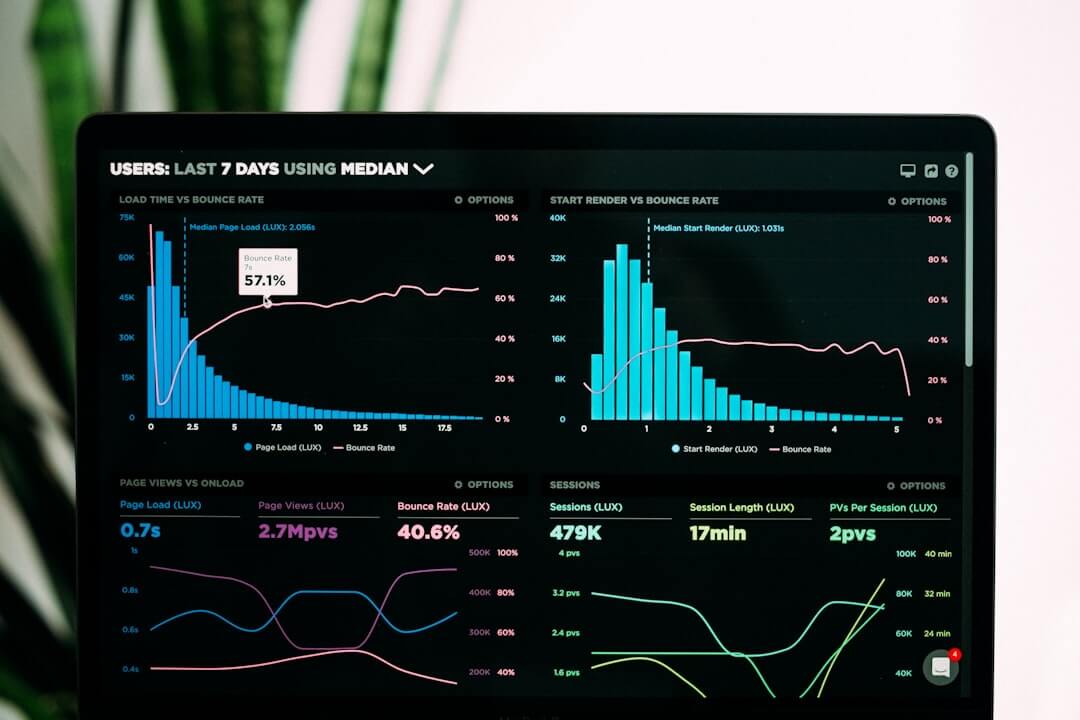 AEO can be measured, just not with one perfect metric. Anyone promising a single tidy number is probably selling certainty in a very uncertain environment.
The best approach is to track visibility proxies, on-page engagement, and citation patterns together. You are looking for evidence that your content is being surfaced, used, and trusted.
Useful indicators include:
- Featured snippet or answer box ownership for target queries
- Growth in impressions from question-based searches in Google Search Console
- Increases in non-brand informational traffic
- Referral traffic from AI assistants or emerging search interfaces where visible
- Brand mention growth across reputable publications and websites
- Improved engagement on pages designed to answer specific questions
According to Ahrefs, informational queries remain a major source of search demand, and structured answer-focused pages often perform well because they match intent more precisely. In short, the page that respects the user’s question tends to beat the page that dances around it in a branded polo shirt.
You should also check whether your content is actually quotable in AI outputs. Manually test key questions in major answer engines, note which sources are cited, and reverse-engineer the formatting, clarity, and authority patterns those pages share.
Answer engine optimization is not magic and it is not separate from good publishing. It is the practical discipline of making your expertise easier to retrieve, easier to understand, and easier to cite. If you pair strong content with credible media visibility, BrandPush can support that wider discoverability by helping your news reach established outlets people and machines already recognise.
Frequently Asked Questions
What is answer engine optimization in simple terms?
Answer engine optimization is the process of formatting and improving content so AI systems can pick it as a direct answer. It focuses on clarity, structure, and trust rather than rankings alone.
Is answer engine optimization different from SEO?
Yes, but they overlap heavily. SEO helps pages get found in search, while AEO helps those pages get extracted, quoted, or cited in direct-answer experiences.
What kind of content works best for answer engine optimization?
Question-led explainers, how-to guides, glossaries, pricing pages, and FAQ pages often work well. These formats naturally provide direct answers and clean structure that answer engines can parse.
Does schema markup matter for answer engine optimization?
Schema markup helps by adding machine-readable context to a page. It is not a guarantee of visibility, but it can improve interpretation when paired with strong content and crawlable pages.
Can blog posts rank in AI answers without backlinks?
They can, especially for narrow or clearly answered questions. That said, authority signals such as reputable mentions, citations, and brand recognition can improve trust and increase citation chances.
How long does answer engine optimization take to show results?
It depends on crawl frequency, competition, and the authority of your site. Some improvements appear within weeks on existing indexed pages, while broader gains may take several months.
Should every page on my site be optimised for AEO?
No. Prioritise pages with clear informational intent, high-value questions, and topics where users want a direct answer before they are ready to buy.
How do I know if my content is quotable by answer engines?
A good test is whether a paragraph can stand alone and answer the question clearly in under 60 words. If the meaning depends on waffle, context gymnastics, or three paragraphs of throat-clearing, it is less likely to be cited.
Can press releases support answer engine optimization?
Yes, indirectly. Well-structured press releases can strengthen discoverability, generate reputable mentions, and reinforce entity signals when the underlying news is credible and relevant.