What Is Answer Engine Optimization and How Should Brands Use It in 2026?
Quick answer: Answer engine optimization is the practice of making your content easier for AI tools, search assistants, and search summaries to understand, extract, and cite. It overlaps with SEO, but the goal is not just ranking blue links. The goal is becoming the source an answer engine trusts enough to quote.
What does answer engine optimization actually mean?
 Answer engine optimization means structuring information so machines can identify a clear question, a direct answer, and supporting evidence. If classic SEO was partly about winning clicks, AEO is also about winning inclusion inside the answer itself.
The shift is practical, not mystical. Users now ask full questions in tools like ChatGPT, Perplexity, Google AI-generated summaries, and voice assistants, so content that is easy to parse often gets surfaced more often.
- Clear question-led headings help systems match intent
- Short factual answers improve extractability
- Evidence, definitions, and examples improve trust signals
Why does AEO matter now?
 Search behaviour is changing in plain sight. People increasingly want one useful answer instead of ten tabs, three pop-ups, and a recipe blog that starts with childhood memories of soup.
Google has publicly stated that AI-powered search experiences are expanding, and major platforms are training users to ask conversational questions. That changes what visibility looks like, because a brand can be present in the answer without owning the top traditional ranking.
This does not replace SEO. It adds another layer where authority, clarity, and topical coverage matter even more than clever keyword placement.
| Visibility model | Main goal | Typical user behaviour | Content requirement |
|---|---|---|---|
| Traditional SEO | Rank in search results | Compare several links | Optimised pages with search intent match |
| AEO | Be quoted or summarised | Ask direct questions | Clear answers, structure, evidence |
| Digital PR | Build authority and mentions | Discover brands through coverage | Newsworthy stories and trusted citations |
The smart view is integration. Strong SEO, useful AEO, and credible digital PR work better together than as separate teams glaring at each other across a meeting room 🙂
How is AEO different from traditional SEO?
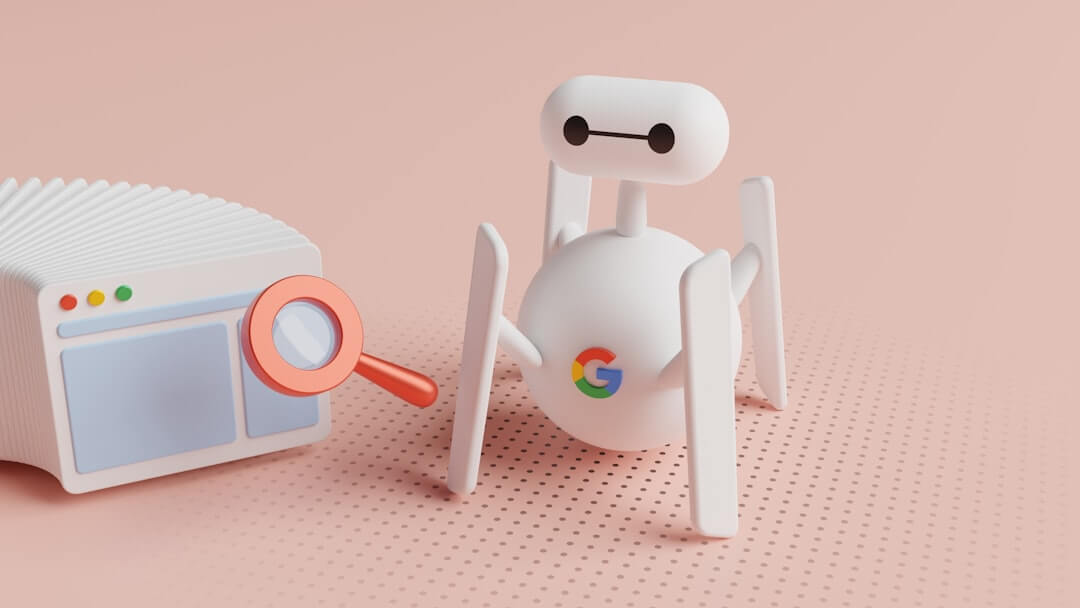 AEO and SEO overlap, but they reward slightly different strengths. SEO often focuses on relevance, technical health, links, and click potential, while AEO puts extra weight on answer clarity, entity understanding, and quote-ready structure.
Think in terms of retrieval and extraction. A page may rank reasonably well but still be poor for AEO if the key information is buried under fluff, vague subheads, or endless scene-setting.
- SEO asks: can this page rank for the query?
- AEO asks: can a machine confidently lift the answer from this page?
- PR asks: does the brand have credible third-party signals that support trust?
Authority still matters. Publications, citations, branded search demand, and consistent expertise signals all help machines decide whether your content deserves to inform an answer.
What makes content more likely to appear in answer engines?
 Answer engines prefer content that is easy to identify, verify, and summarise. That sounds obvious, yet many pages still hide the answer under 800 words of throat-clearing.
Start with question-first architecture. Use headings that mirror real user queries, then answer immediately in the first paragraph beneath each heading.
- State the answer in the first sentence.
- Add one or two supporting facts or conditions.
- Expand with examples, steps, or caveats.
- Use lists and tables where the format helps comprehension.
- Keep terminology consistent across the page.
Precision beats decoration. A page with direct wording, clear definitions, and specific claims is usually more usable for both humans and machines than one trying very hard to sound important.
Structured credibility also helps. Cite trustworthy sources where relevant, show who the content is for, and avoid unsupported superlatives that read like an advert wearing a fake moustache.
Which signals support answer engine visibility?
Answer engines do not rely on one magic signal. They infer quality from a mix of content structure, source authority, entity clarity, and corroborating mentions across the web.
That is where digital PR becomes useful. If your brand appears in recognised publications, has a consistent web presence, and publishes content that explains a topic clearly, you are giving machines more reasons to treat you as a reliable source.
- Branded mentions on reputable sites
- Consistent company descriptions across profiles and pages
- Original commentary, data, or expert explanation
- Up-to-date pages with visible publication or update context
Media coverage can strengthen discoverability beyond referral traffic. A well-distributed press release can create citations, reinforce brand entities, and support the web-wide footprint that AI systems use for confidence, which is one reason some brands use BrandPush as part of a broader visibility strategy.
Do not treat PR as a shortcut for weak content. Coverage helps most when the destination pages on your site are genuinely useful, specific, and written to answer real questions.
How should brands build an AEO strategy step by step?
 AEO works best as a workflow, not a one-off rewrite. The aim is to identify the questions your audience asks, publish the clearest answers, and strengthen trust around those answers over time.
Step one is query mapping. List the questions customers ask in sales calls, demos, support tickets, reviews, Reddit threads, and AI tools themselves.
Step two is intent grouping. Separate beginner questions, comparison-of-concepts questions, pricing questions, process questions, and problem-awareness questions so each page has one job.
- Beginner: what is answer engine optimization?
- Process: how do you optimise for answer engines?
- Value: is answer engine optimization worth it?
- Measurement: how do you track AEO performance?
Step three is page design. Build each article around a direct answer, scannable sections, quotable definitions, and supporting proof.
Step four is authority reinforcement. Publish expert commentary, secure relevant media mentions, and maintain clear brand information across your site and profiles.
Step five is refresh discipline. Update pages when terminology shifts, product details change, or new examples make the answer more useful.
This is where SEO and PR stop acting like distant cousins. The best outcomes usually come from content, technical SEO, and visibility work moving in the same direction.
How do you measure answer engine optimization without making things up?
 AEO is measurable, just not through one tidy dashboard metric. Anyone promising a single score for answer engine optimization is either optimistic or selling something with very glossy slides.
Use a blended measurement model. You are looking for directional evidence across visibility, engagement, and brand demand rather than one perfect number.
| Metric type | What to watch | Why it matters |
|---|---|---|
| Organic traffic | Growth on question-led pages | Suggests stronger search relevance |
| Branded search | More searches for your brand | Indicates rising awareness and recall |
| Referral traffic | Visits from media coverage and citations | Shows amplification beyond your site |
| Assisted conversions | Leads touched by informational content | Captures influence, not just last click |
| SERP features | Presence in summaries, snippets, PAA | Signals extraction-friendly content |
| Mention quality | Reputable sites citing your brand | Supports authority and entity trust |
Manual checks still matter. Test target questions in major AI tools and search features, then review whether your brand, site, or language patterns appear in the responses.
Track patterns, not ego. If more pages are earning impressions, more branded queries are appearing, and more third-party mentions are reinforcing your expertise, the strategy is probably working.
What are the most common AEO mistakes?
 Most AEO mistakes are boringly preventable. Brands usually fail because they publish vague pages, ignore authority signals, or confuse keyword repetition with actual usefulness.
Mistake one is not answering the question quickly. If the main answer starts halfway down the page, an answer engine may move on to a source that gets to the point.
Mistake two is writing for algorithms instead of people. Robotic phrasing, padded introductions, and empty jargon make extraction harder, not easier.
Mistake three is ignoring credibility. Unsupported claims, no author context, and no corroboration elsewhere on the web weaken trust.
- Avoid vague headings like “Our thoughts on modern visibility”
- Avoid generic claims like “best-in-class solution”
- Avoid stuffing multiple intents onto one confused page
Mistake four is treating AEO as separate from distribution. Helpful content is stronger when people can discover it, cite it, and connect it to a recognisable brand presence.
If you publish news or expert commentary, distribution can help those signals travel. BrandPush can support that wider visibility, and its press release writing guide is useful if you need the basics without the usual PR theatre.
Where does press coverage fit into answer engine optimization?
 Press coverage supports AEO by reinforcing authority and entity recognition. It does not guarantee citations in AI answers, but it can strengthen the trust web that sits around your site.
Think of coverage as corroboration. When your company, founder, product, or data points appear across reputable sources, machines have more context for who you are and why your content may be worth using.
This is especially relevant for newer brands. If your site alone is making strong claims, answer engines have less external context than if those claims are echoed by credible publications.
A sensible PR workflow is simple. Publish genuinely useful explainers on your site, create newsworthy announcements when you have something real to say, and distribute them in a way that expands your footprint rather than chasing vanity.
If you need a practical route, BrandPush offers a done-for-you option for getting announcements placed across a broad network of outlets. Used sensibly, that can complement an AEO strategy by increasing brand mentions, discoverability, and supporting citations across the web.
The rule is still the same. Better inputs produce better outputs, so no amount of distribution will rescue a weak claim, a vague article, or a non-story pretending to be news 😌
Answer engine optimization is really about being the clearest trustworthy source in the room. Brands that answer specific questions well, support those answers with evidence, and build authority beyond their own site are more likely to show up where modern discovery happens.
Treat AEO as an extension of sensible SEO and digital PR, not a replacement for either. If your content is clear and your brand is visible in credible places, you are giving answer engines something useful to work with, which is usually how good visibility starts.
Frequently Asked Questions
What is answer engine optimization in simple terms?
Answer engine optimization is the process of making content easier for AI systems and search assistants to understand, extract, and cite. It focuses on direct answers, clear structure, and trustworthy signals.
Is answer engine optimization the same as SEO?
No, but they overlap heavily. SEO helps pages rank in search results, while AEO also aims to make those pages usable inside AI-generated answers and summaries.
Does AEO replace traditional SEO?
No. Technical SEO, crawlability, relevance, and authority still matter, because answer engines often rely on the same web signals plus additional extraction and trust cues.
What kind of content works best for AEO?
Question-led explainers, how-to guides, glossaries, pricing pages, and FAQ-rich pages usually work well. They give answer engines a clear prompt-response structure to work with.
How do I know if my brand is appearing in answer engines?
Check target queries manually in major AI tools and AI-enhanced search results. Then monitor branded search growth, referral traffic, impressions on question pages, and third-party mentions.
Do backlinks matter for answer engine optimization?
Authority still matters, so links and mentions can help indirectly. The bigger picture is whether your brand looks credible and consistently referenced across the web.
Can press releases help with AEO?
Yes, when they are genuinely newsworthy and support broader visibility. Press releases can reinforce brand entities, create citations, and help your brand appear across multiple trusted sources.
What is the biggest mistake in AEO?
The biggest mistake is failing to answer the question clearly and early. If the answer is buried, vague, or unsupported, both users and answer engines may ignore it.
How long does AEO take to work?
It depends on your site authority, content quality, and competitive space. Many brands see gradual improvement over months rather than an overnight jump, which is deeply unglamorous but normal.