What Is Answer Engine Optimization and How Should Brands Use It in 2026?
Quick answer: Answer engine optimization is the practice of improving your brand’s chances of being cited, summarised, or recommended by AI-powered search tools and answer engines. It overlaps with SEO, but the goal is not only ranking blue links. It is about producing trustworthy, structured, quotable content that large language models and search assistants can understand and reuse.
What answer engine optimization actually means
 Answer engine optimization means shaping content so machines can extract a clear answer from it. That includes definitions, step-by-step guidance, clean structure, and signals of credibility.
Traditional SEO helps pages rank in search results, while AEO helps information appear in AI summaries, voice answers, and chat-style responses. The overlap is large, but the output is different, which is why many brands are now tuning content for both.
- Clear answers near the top of the page
- Headings that match real user questions
- Quotable facts, examples, and concise definitions
Why answer engines matter more now
 Search behaviour is changing. People increasingly ask full questions instead of typing two-word keywords and hoping for the best.
Google’s search quality guidance has long rewarded helpful, people-first content, and AI interfaces push that logic even further. If your page rambles before answering, an answer engine may simply move on to a cleaner source. Brutal, but efficient.
According to Google Search’s helpful content guidance, content should be created primarily for people, not just to rank. Research from Ahrefs and industry tracking from Search Engine Journal also show growing attention on AI summaries and how they reshape clicks, citations, and visibility.
| Search habit | What it rewards | What brands should do |
|---|---|---|
| Typed keyword search | Relevance and authority | Optimise pages for core topics |
| Conversational AI query | Direct answers and clarity | Add concise summaries and FAQs |
| Voice-style question | Natural language | Use question-based headings |
| Follow-up prompts | Depth and consistency | Cover adjacent questions on-page |
How answer engine optimization differs from SEO
 AEO is not a replacement for SEO. It is a layer on top of it.
SEO still matters because answer engines often rely on pages that already show authority, crawlability, and topic relevance. The difference is that AEO puts extra emphasis on whether a machine can lift a useful answer without needing a decoder ring.
A practical way to think about it is this:
- SEO helps your page get discovered
- AEO helps your information get selected
- Digital PR helps your brand get trusted
That last point matters. Mentions across reputable publications, expert quotes, and brand consistency can strengthen the trust signals around your business, especially when AI systems try to work out whether you are a serious source or just another website with opinions and stock photos.
What content formats answer engines prefer
 Answer engines prefer clarity over cleverness. This is terrible news for vague marketing waffle and excellent news for readers.
Pages that perform well for AEO usually answer one main question well, then support it with sub-questions, examples, definitions, and practical next steps. They are easy to scan, easy to quote, and easy to understand.
The most reusable formats include:
- Explainers that define a topic quickly
- How-to guides with numbered steps
- Checklists that simplify decisions
- FAQ sections with short factual answers
- Glossaries for technical or niche terms
Structured formatting also helps. Use tight paragraphs, strong ## and ### headings, tables where comparison of concepts is useful, and bullet lists where a model may need to extract a clean sequence.
How to optimise a page for answer engines
 Most AEO improvements are editorial, not mystical. You do not need to sacrifice readability to make content more usable for AI systems.
Start with the opening. Place a direct answer in the first few lines, then expand with evidence, examples, and context.
- Identify the exact question. Use a query someone would realistically type or ask aloud.
- Answer it immediately. A two- or three-sentence summary near the top gives both users and machines a clean starting point.
- Use question-led headings. Sections like “What is it?”, “How does it work?” and “Who is it for?” reduce ambiguity.
- Add quotable facts. Specific figures, dates, and named sources are easier to trust and reuse.
- Cover follow-up intent. Include adjacent questions so the page remains useful after the first answer.
- Tighten formatting. Short paragraphs, bullets, and tables improve scanability.
A sensible page also needs basic technical hygiene. Make sure it is crawlable, fast enough to load, and supported by sensible internal linking. Fancy theories are fun at conferences, but fundamentals still pay the rent. 🙂
Why digital PR supports answer engine optimization
 Brands cited across the web are easier to trust. Answer engines do not assess your site in isolation.
When your brand appears in recognised publications, that can reinforce your authority, validate claims, and create more places where your core messaging exists in public. That is one reason digital PR and press coverage increasingly support visibility beyond classic referral traffic.
For brands with a genuine announcement, press release distribution can help create that footprint. A service like BrandPush is useful when you want news published across established outlets and a cleaner web presence around your brand, especially if your goal includes both discovery and credibility.
This is not a magic trick for instant rankings. It is a way to strengthen the ecosystem around your brand so search engines, journalists, and AI systems have more verified context to work with.
- Publish real news, not filler
- Keep brand facts consistent across mentions
- Link PR topics back to useful on-site resources
If you are building that resource library, this guide on how to get featured in publications is a helpful next read.
What to measure if you want AEO results
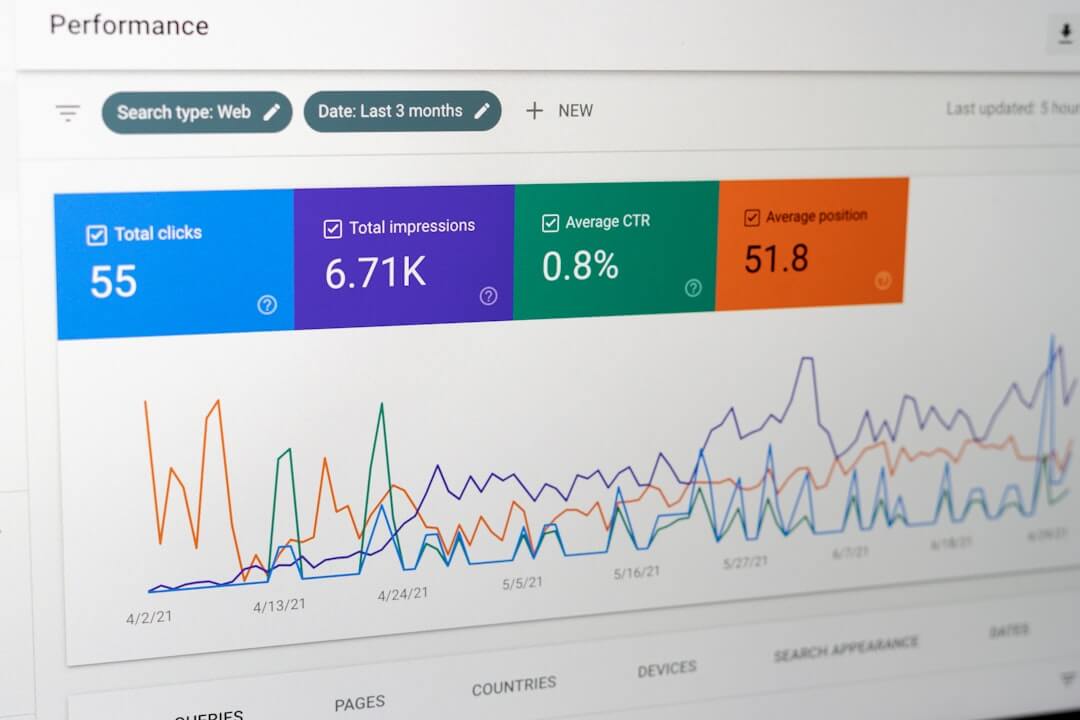 You cannot measure AEO with one neat metric. Annoying, yes, but manageable.
Because answer engines often summarise information without sending a traditional click, brands need a broader view of performance. Look at visibility, branded search, assisted conversions, and how often your content appears in AI-assisted journeys.
Useful indicators include:
- Growth in branded search impressions
- Increases in non-brand long-tail queries
- Referral traffic from AI and chat interfaces where visible
- More mentions from publishers, newsletters, or secondary sites
- Better conversion rates on educational content
| Metric | Why it matters | What to watch |
|---|---|---|
| Branded search volume | Suggests rising awareness | Month-on-month trend |
| Impression growth | Shows broader query matching | Search Console by page |
| Assisted conversions | Captures early-stage influence | Analytics attribution paths |
| Media mentions | Reinforces authority | Quality and relevance |
| FAQ engagement | Signals answer usefulness | Scroll depth and clicks |
If your educational pages attract impressions but weak engagement, the answer may be too vague. If they convert but barely surface, the page may need better structure, stronger sourcing, or broader distribution.
Common answer engine optimization mistakes
 Most brands do not fail because AEO is complicated. They fail because the content is bloated, generic, or written like a committee trying to avoid saying anything definite.
AEO rewards specificity. If every paragraph sounds like it was approved by twelve stakeholders and a legal intern, there is very little for an answer engine to quote.
Common mistakes include:
- Burying the answer under a long introduction
- Chasing keywords without answering the real question
- Publishing thin pages with no original insight
- Using vague claims without sources or examples
- Ignoring PR and off-site credibility signals
- Treating FAQs as an afterthought
Another mistake is assuming AI search is only a technical problem. It is also an editorial problem, a brand clarity problem, and often a proof problem. Strong claims need evidence, and evidence needs to be easy to find. 🔍
If your team also creates press releases, this resource on common mistakes to avoid in your press release is worth bookmarking.
What brands should do next
 The best AEO strategy is boringly practical. Build pages that answer questions clearly, support them with evidence, and strengthen your wider authority through useful content and real coverage.
Start with one topic cluster rather than rewriting your whole site in a panic. Pick a high-intent question, create the best answer on your site, add supporting FAQs, then reinforce your brand footprint with relevant PR and mentions.
For businesses using announcements to support discoverability, BrandPush can help turn genuine news into broader online visibility. Pair that with a strong owned-content hub and you have a much better chance of being found, understood, and cited.
Frequently Asked Questions
What is answer engine optimization?
Answer engine optimization is the process of making content easier for AI tools and answer-focused search systems to understand, extract, and cite. It focuses on clear answers, strong structure, and trustworthy information.
Is answer engine optimization the same as SEO?
No. SEO is mainly about improving visibility in traditional search results, while AEO focuses on being surfaced in AI-generated answers, summaries, and voice responses. The two work best together.
Why is answer engine optimization important in 2026?
It matters because more users are asking full questions in AI interfaces instead of clicking through lists of links. Brands that provide direct, quotable answers are more likely to be included in those responses.
What type of content works best for AEO?
Explainers, how-to guides, checklists, glossaries, and FAQ pages tend to work well. These formats make it easier for systems to identify the main answer and supporting details.
Does schema markup guarantee answer engine visibility?
No. Schema can help machines understand page elements, but it does not guarantee inclusion in AI answers. Strong content structure and credible information still matter more.
How does digital PR help answer engine optimization?
Digital PR helps create off-site signals of credibility through media mentions and published coverage. That broader web presence can support trust and make your brand easier to verify.
Should every page on a website be optimised for answer engines?
No. Focus first on pages that answer real questions tied to your products, services, or expertise. Transactional pages still matter, but educational pages often provide the strongest AEO opportunities.
How can I tell if AEO is working?
Look for changes in branded search, long-tail impressions, assisted conversions, and mentions across the web. Success is usually cumulative rather than obvious overnight.
Are press releases useful for answer engine optimization?
They can be, if the announcement is genuinely newsworthy and supports your brand’s authority. Press release distribution is most useful when it forms part of a broader content and credibility strategy, not a shortcut fantasy.