What Is Answer Engine Optimization and How Should Brands Use It in 2026?
Quick answer: Answer engine optimization is the practice of structuring content so AI search tools and answer engines can understand, extract, and cite it clearly. In 2026, it matters because users increasingly ask questions in chat-style interfaces instead of clicking ten blue links. For brands, that means visibility now depends on being findable, quotable, and trustworthy across your site, your media coverage, and the wider web.
What answer engine optimization actually means
 AEO is SEO adapted for answer-based discovery. Instead of optimising only for rankings, you also optimise for direct answers, summaries, citations, and AI-generated responses.
The core idea is simple. If a machine is trying to answer a question in one neat paragraph, your content needs to make that paragraph painfully easy to lift.
- Clear definitions near the top of pages
- Question-led headings that mirror real searches
- Trust signals such as expert attribution, press mentions, and recent updates
AEO is not a replacement for SEO. SEO gets you indexed and discovered, while AEO improves your chances of being used as the answer.
Why answer engine optimization matters in 2026
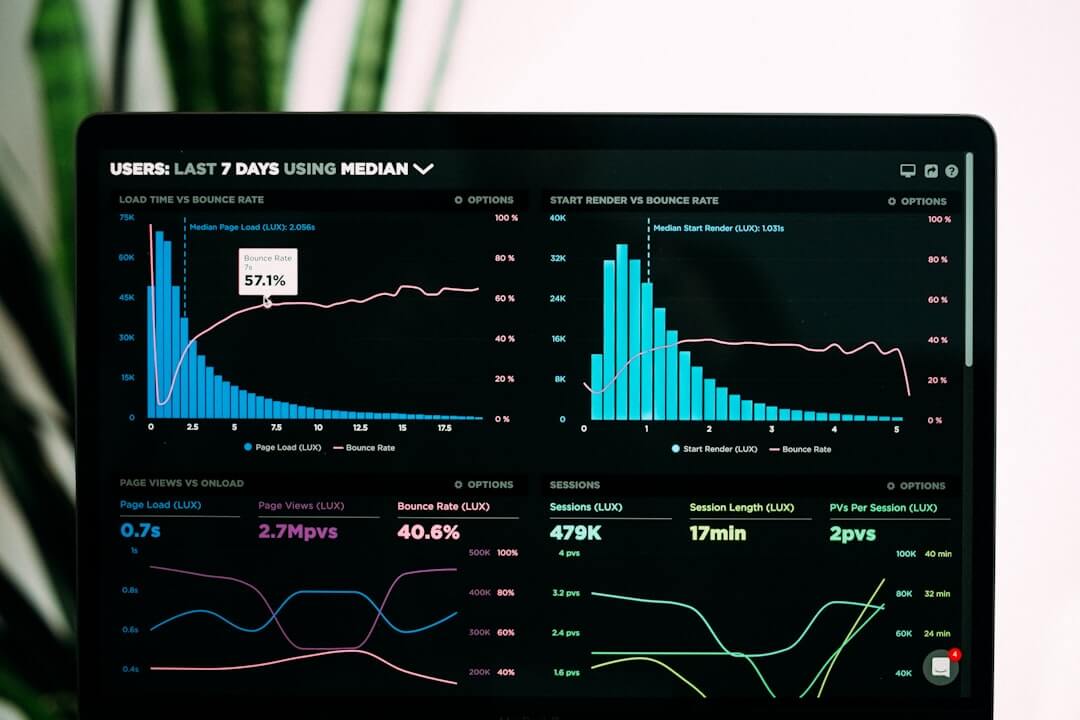 The market is moving quickly. Research from Dimension Market Research projects the AEO market will reach USD 160.9 million by 2026 with a striking 43.4% CAGR.
That growth reflects a real behaviour shift. Marketing coverage in 2026 increasingly treats AEO as a distinct visibility discipline alongside SEO and GEO, including analysis from HubSpot and industry strategy pieces focused on AI discoverability.
| Signal | What it suggests for brands |
|---|---|
| Rising AEO market size | Budget and attention are shifting toward AI visibility |
| Growth of AI search interfaces | Users want direct answers, not long scavenger hunts |
| More AEO guidance in 2026 | Teams now need workflows built for answer surfaces |
Search is becoming more extractive. The best-performing content is often the content that explains, defines, compares concepts, and backs claims with evidence.
This changes content priorities. You are no longer writing only for readers who browse, but also for systems that summarise with all the warmth of a tax letter 🙂
How answer engines decide what to surface
 Answer engines prefer content that is easy to parse and easy to trust. They look for concise explanations, semantic relevance, source consistency, and signs that a brand is credible beyond its own website.
Authority is distributed, not isolated. If your site says one thing, your founder says another on LinkedIn, and your press coverage says nothing useful at all, the machine has every right to look elsewhere.
The signals are not fully transparent, but recurring patterns include:
- Direct answers high on the page
- Structured formatting such as lists, tables, and FAQ blocks
- Topical consistency across website pages and third-party mentions
- Freshness through updated stats, dates, and current context
- Credibility through citations, authorship, and recognised publications
Press coverage helps here for a practical reason. When your brand appears on established news sites, it creates corroborating signals that support trust, entity recognition, and wider discoverability.
For that reason, digital PR can support AEO even when the goal is not a click from the article itself. A service like BrandPush can help brands distribute real news to broad media networks, which may strengthen the off-site visibility answer engines use as context.
What a practical answer engine optimization strategy looks like
 AEO works best as a system, not a one-off edit. Brands that do it well usually combine content structure, editorial proof, and distribution rather than fiddling with headings and hoping for spiritual intervention.
Start with the question, not the keyword. Ask what a customer would type into an AI assistant when they are confused, comparing options, or trying to decide what to do next.
- Map high-intent questions. Focus on questions with commercial or decision value, not pub-quiz trivia.
- Create answer-first pages. Put the short definition or recommendation at the top, then expand below.
- Support claims with evidence. Use current data, named sources, and dates wherever possible.
- Add format variety. Include lists, tables, FAQs, definitions, and concise summaries.
- Build off-site corroboration. Use PR, founder commentary, expert quotes, and mentions in reliable outlets.
- Refresh regularly. AI systems favour information that does not smell like 2022.
This is where many teams go wrong. They produce long pages with vague intros and no direct answer, which is lovely for suspense but less ideal for visibility.
AEO also benefits from assets that are already strong on search fundamentals. If you are publishing a newsworthy announcement, a clear release structure still matters, and this guide on how to write a press release is useful when you need the nuts and bolts.
Where digital PR fits into answer engine optimization
 AEO is not only an on-page discipline. Answer engines often draw confidence from the broader web, which means media mentions, founder profiles, and referenced brand coverage can all play a supporting role.
Digital PR gives your brand more verifiable surface area. That matters when AI systems are trying to determine whether your company is a recognised entity with consistent claims and real-world relevance.
- Press releases can publish timely, quotable statements tied to launches, funding, research, hires, and partnerships
- Media pickup can create additional mentions that reinforce brand context
- Coverage on recognised outlets can support trust and improve the odds of citation later
This does not mean every release becomes an AI citation. It means PR creates structured, public evidence that can make your brand easier to understand across search and answer environments.
That is especially useful when announcing something specific and factual. For brands with genuine news, BrandPush package options can be a practical way to create wider coverage without building an entire newsroom in the spare bedroom.
What to optimise on-page if you want AI citations
 Most AEO gains come from clarity, not tricks. If a page buries the answer beneath throat-clearing waffle, an answer engine may ignore it and spare itself the drama.
Use formatting that machines and humans both appreciate. Conveniently, those two groups now want similar things.
| Element | Why it helps AEO |
|---|---|
| Direct definition at the top | Gives systems a clean answer to extract |
Question-based ## headings | Aligns with natural language queries |
| Short paragraphs | Improves parsing and readability |
| Bullet lists | Makes steps and criteria easier to lift |
| FAQ section | Covers related follow-up questions |
| Source-backed claims | Improves trust and factual grounding |
A good AEO page often includes:
- A quick answer in the first few lines
- Specific subtopics under clear headings
- Recent statistics with links to sources
- Plain English wording instead of internal jargon
Entity clarity matters too. Make sure your company name, product category, founding story, and core claims are described consistently across your website, social profiles, and press materials.
If you are issuing news, avoid weak headlines and mushy claims. This guide on creating the perfect press release headline is helpful because answer surfaces favour specificity over chest-beating.
What brands should measure before calling AEO a triumph
 AEO is measurable, but not always with one tidy metric. Rankings still matter, but they are no longer the whole story when visibility happens inside summaries, snippets, and chat replies.
Track evidence, not vibes. Vibes are marvellous for interior design, less so for attribution.
Key indicators to watch include:
- Impressions for question-led pages in search data
- Featured snippet and rich result presence where relevant
- Referral traffic from AI or discovery surfaces when available
- Branded search growth after PR campaigns or coverage
- Citation patterns in AI responses for your core topics
- Media mentions that reinforce entity recognition
Some results will be indirect. AEO can improve brand recall, quoted visibility, and search-assisted conversions even when last-click reporting refuses to cooperate.
This is why the smartest teams measure across SEO, PR, and content together. If a release drives coverage, branded searches rise, and your explanatory page starts appearing in answer-led searches, that is not an accident. It is a pattern.
Do not promise perfect attribution. The current AI search ecosystem is still messy, and anyone claiming otherwise probably also has a bridge to sell you 🔍
A sensible cadence is to review AEO performance monthly, then do a deeper quarterly audit of pages, mentions, and topic gaps. Over time, the compounding effect tends to come from consistency rather than any single viral moment.
Answer engine optimization rewards brands that are clear, evidence-led, and visible beyond their own site. In 2026, that means combining strong answer-first content with credible third-party signals and regular updates.
For brands with real news to share, digital PR can support that wider visibility picture, and BrandPush is a practical option when you want broad distribution without turning the process into a second full-time job.
Frequently Asked Questions
What is answer engine optimization in simple terms?
Answer engine optimization is the process of making content easy for AI tools and answer engines to understand, extract, and cite. It focuses on direct answers, clear structure, and trustworthy information.
Is answer engine optimization different from SEO?
Yes. SEO aims to improve visibility in search results, while AEO focuses on being selected as the answer within AI summaries, snippets, and conversational search tools.
Why is answer engine optimization important in 2026?
It matters because more users are searching through AI-assisted interfaces that provide direct responses. Research also projects the AEO market will reach USD 160.9 million by 2026, showing rapid commercial growth.
Does AEO replace traditional SEO?
No. AEO works best as an extension of SEO, not a substitute for it. Brands still need crawlable pages, topical relevance, and strong site fundamentals.
Can press releases help answer engine optimization?
Yes, indirectly. Press releases and media coverage can create public, corroborating signals that improve brand trust, entity recognition, and the consistency answer engines look for.
What kind of content performs best for AEO?
Pages that answer specific questions clearly tend to perform well. Explainers, how-to guides, FAQs, definitions, and evidence-backed summaries are especially useful.
How do I know if my brand is appearing in answer engines?
Check whether your content is being quoted, summarised, or cited in AI search experiences and answer-led results. You should also monitor branded search growth, impressions, and referral patterns where available.
What are common AEO mistakes?
Common mistakes include burying the answer, using vague headings, publishing outdated statistics, and making claims without evidence. Another classic error is assuming one optimised page will somehow do all the work forever.
Is AEO only for large brands?
No. Smaller brands can benefit if they publish clear expert content and support it with credible mentions. In many niches, specificity and proof matter more than company size.
How often should AEO content be updated?
Review important pages at least quarterly and update them when facts, products, or market conditions change. Fresh dates, current sources, and tighter wording can all improve answer readiness.