What Is a White Label PR Service and When Should an Agency Use One?
Quick answer: A white label PR service lets an agency deliver PR work under its own brand while another provider handles some or all of the execution behind the scenes. It is usually used to add press release writing, distribution, media visibility, or reporting without hiring a full in-house PR team. For agencies, it can be sensible when client demand is growing faster than internal capacity, or when specialist delivery is needed.
What does a white label PR service actually mean?
 White label means the client sees your agency brand, not the fulfilment partner. In PR, that usually covers strategy support, press release production, distribution, reporting, or all three.
The core idea is simple. Your agency owns the client relationship, pricing, and positioning, while a delivery partner handles the operational heavy lifting.
- Your agency sells the service
- The fulfilment partner completes agreed PR tasks
- The end client experiences it as part of your offer
This is common in agency land because clients prefer fewer vendors, not more logins and more meetings. It also helps agencies test a new service line before committing to full-time hires.
What services are usually included?
 A white label PR service is not one single thing. It can range from a light-touch fulfilment setup to a full done-for-you workflow with writing, approvals, distribution, and reports.
Most agencies use white label PR for repeatable deliverables. Press releases are the obvious example because the process can be standardised without turning it into a soulless factory job.
Typical inclusions often look like this:
| Service component | What it usually covers | Why agencies use it |
|---|---|---|
| Press release writing | Drafting headlines, body copy, boilerplate | Saves strategist time |
| Editing and formatting | Brand alignment, grammar, media-ready structure | Improves quality control |
| Distribution | Sending releases through publishing networks | Extends reach efficiently |
| Reporting | Live links, pickup summaries, placement records | Gives clients proof |
| Strategy support | Angle checks, timing advice, topic fit | Reduces weak launches |
Not every provider handles all of this, so assumptions are expensive. Ask exactly what is included, what needs your approval, and what the client will actually receive.
For agencies focused on announcements, product launches, funding updates, and credibility campaigns, a service like BrandPush often fits neatly into the fulfilment layer. It helps agencies deliver press release distribution and reporting without building that infrastructure themselves.
When does it make sense for an agency?
 A white label PR service makes the most sense when demand is real but capacity is fragile. If one team member going on holiday would derail delivery, that is not a system, it is a hostage situation.
It is particularly useful when PR is adjacent to your core offer, not your whole business. SEO agencies, web agencies, growth consultancies, and content teams often reach this point first.
Common signs it is time:
- Clients keep asking for media visibility or press release help
- Your team can write decent copy but lacks distribution processes
- You want recurring revenue without hiring a full PR department
- Delivery quality varies because work is being improvised each time
- You need faster turnaround during launches, funding news, or campaigns
It also helps when you want to validate demand before hiring. That is usually the grown-up move, even if buying a bigger team Slack channel feels more exciting.
What are the real benefits and trade-offs?
 The main benefit is leverage. Agencies can expand services, protect margins, and move faster without building every capability from scratch.
The trade-off is dependency. If the fulfilment partner is sloppy, slow, or vague, your agency absorbs the reputational hit, not them.
Here is the practical balance:
| Potential benefit | Why it matters | Possible trade-off |
|---|---|---|
| Faster service expansion | Launch PR as an offer quickly | Less direct control |
| Lower staffing risk | Avoid immediate full-time hires | Partner quality becomes critical |
| Specialist execution | Access experienced PR workflows | Harder to customise edge cases |
| Better reporting | Cleaner client communication | Reporting quality varies by provider |
| More consistent delivery | Repeatable process across accounts | Requires clear internal SOPs |
Margin control matters here more than agencies sometimes admit. If your delivery cost is stable and your process is clear, packaging and pricing become much easier.
Client trust also matters more than margin. A white label model works only when the service quality is good enough that nobody starts asking awkward questions on a Friday afternoon 🙂
How should agencies evaluate a white label PR partner?
 Choosing a white label PR service is mostly about risk management. Nice sales copy is pleasant, but process clarity is what keeps accounts alive.
Start with workflow, not promises. You need to know how requests are submitted, who writes or edits, what turnaround looks like, and how approvals are handled.
Use this checklist when reviewing options:
- What types of announcements are accepted?
- Who writes the release and who edits it?
- What is the standard turnaround time?
- What happens if a release is rejected or needs changes?
- What reporting is included and in what format?
- Can you use your own branding in client communications?
- Are there clear content guidelines and topic restrictions?
Transparency beats flashy claims every time. If a provider cannot explain its workflow in plain English, it will probably explain your problems even less clearly later.
For example, agencies using a fulfilment partner should check accepted business categories, editorial requirements, and formatting standards before promising anything to clients. BrandPush publishes practical guidance on accepted business types and topics and a detailed press release writing guide, which makes internal onboarding much easier.
How do you package a white label PR service for clients?
 Clients do not buy your internal workflow. They buy outcomes they can understand, such as a published announcement, stronger credibility, launch visibility, or cleaner proof of activity.
The smartest packaging keeps deliverables simple. Overcomplicated PR retainers tend to create confusion, inflated expectations, and invoices nobody enjoys defending.
A practical packaging model might look like this:
- Starter: one release, light editing, distribution, basic reporting.
- Growth: one to two releases per month, stronger angle support, reporting summaries.
- Campaign: multiple announcements, messaging support, distribution planning, stakeholder coordination.
This works best when each tier has a clear use case. One-off launches, recurring announcements, and strategic campaigns are different jobs, so price them like different jobs.
If you need examples of what delivery reporting can look like, a sample Growth package report can help agencies set expectations sensibly. That is far better than promising “massive coverage” and hoping no one asks what that means.
What mistakes do agencies make with white label PR?
 Most problems come from overselling and under-defining the service. PR can support visibility, credibility, branded search, and discoverability, but it cannot rescue a weak story with pure optimism.
The second mistake is treating fulfilment like invisibility. White label does not remove your responsibility for quality, messaging, or client communication.
The common errors are painfully predictable:
- Selling PR as guaranteed editorial endorsement
- Promising placements before checking topic fit
- Sending weak, non-newsworthy announcements
- Ignoring review timelines and approval bottlenecks
- Failing to explain what reporting does and does not prove
- Choosing a partner based only on headline price
Expectation setting is half the service. Agencies that explain the process clearly tend to keep clients longer because the work feels structured rather than mysterious.
This is also where PR overlaps with search and answer visibility. As Search Engine Journal and Ahrefs frequently show in their broader SEO coverage, brand mentions, discoverability, and content quality matter together, not as isolated tactics.
How does white label PR fit into SEO, AEO, and digital PR?
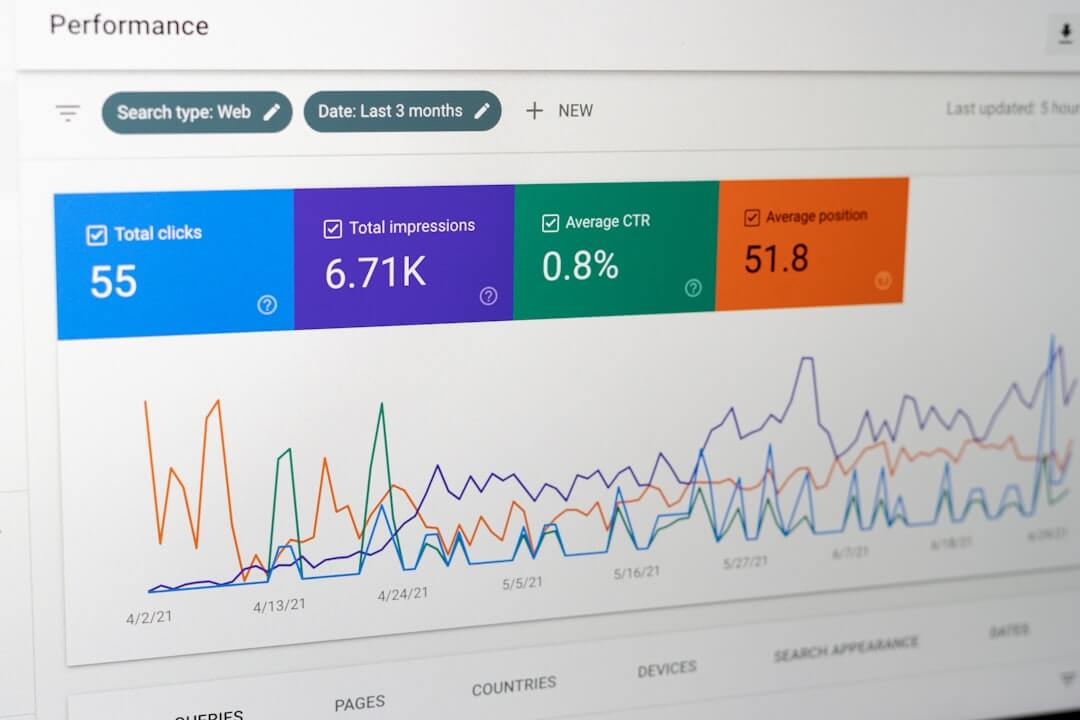 White label PR works best when it supports a broader visibility strategy. On its own, a release is one asset, but combined with SEO, AEO, branded search strategy, and on-site content, it becomes more useful.
This is where agencies can create real strategic value. A clear press release can reinforce entity signals, support launch discoverability, generate citations, and give sales teams something current to point to.
Here is where it tends to fit:
| Channel | How PR supports it | What agencies should do |
|---|---|---|
| SEO | Adds crawlable brand mentions and topic context | Align release topics with target themes |
| AEO | Creates quotable, structured statements about the brand | Write clearly and factually |
| Digital PR | Supports broader credibility and campaign momentum | Combine with outreach and owned content |
| Sales enablement | Provides proof points for prospects and partners | Reuse coverage in decks and follow-up |
| Reputation management | Helps shape current public information | Publish accurate, current company updates |
This is especially relevant now because AI-driven discovery rewards clear, attributable information. If a brand has no recent, structured, public-facing signals, answer engines have less to work with, which is not ideal if you enjoy being found online 😄
For agencies building around search visibility, this connects naturally with topics covered on the BrandPush blog, including answer engine optimisation, PR strategy, and practical distribution planning.
A white label PR service is useful when it helps your agency deliver reliable outcomes without pretending to be magic. If the workflow is clear, the content is newsworthy, and expectations are sane, it can become a profitable and genuinely helpful part of your offer.
For agencies that want to add PR fulfilment without building a full internal operation, BrandPush can be a practical way to handle distribution, reporting, and repeatable delivery under a service-led model.
Frequently Asked Questions
What is a white label PR service?
A white label PR service is a fulfilment arrangement where one company provides PR work and another agency sells it under its own brand. The client deals with the agency, while the delivery partner works behind the scenes.
Who usually uses white label PR services?
They are most commonly used by marketing agencies, SEO agencies, web agencies, and consultants expanding into PR. They are especially useful for teams that have client demand but limited in-house PR capacity.
Is a white label PR service the same as outsourcing?
Not exactly. It is a type of outsourcing, but with agency branding, client-facing control, and a more structured fulfilment relationship.
What can agencies realistically offer through white label PR?
Agencies can usually offer press release writing, editing, distribution, reporting, and light strategy support. The exact scope depends on the provider, so deliverables should always be defined before sale.
Does white label PR help with SEO?
It can support SEO indirectly through brand mentions, discoverability, citations, and content alignment. It should not be sold as a shortcut for rankings or as a replacement for a proper SEO strategy.
How do you price a white label PR service?
Most agencies price it by deliverable, package, or monthly volume rather than vague retainers alone. The best model depends on turnaround, strategy input, reporting depth, and margin targets.
What should agencies check before choosing a provider?
They should review turnaround times, accepted topics, writing standards, reporting format, revision policy, and approval workflow. Reliability matters more than grand claims because the agency carries the client risk.
Can a white label PR service work for small agencies?
Yes, and small agencies often benefit the most because it lets them expand services without hiring immediately. It is particularly useful when client demand is steady but not yet large enough to justify a full PR team.
What is the biggest risk with white label PR?
The biggest risk is reputational. If the fulfilment quality is poor or the service is oversold, the client blames your agency, not the unseen partner.