What Is a White Label PR Service and When Does It Make Sense for Agencies?
Quick answer: A white label PR service lets an agency offer PR delivery under its own brand while a fulfilment partner handles the operational work behind the scenes. It makes sense when you need to expand services, protect internal bandwidth, or fulfil client demand without hiring a full in-house PR team. It does not fix weak strategy, bad messaging, or imaginary news value, sadly.
What a White Label PR Service Actually Means
A white label PR service is outsourced PR fulfilment that appears as part of your agency’s offer. The client sees your agency front and centre, while the fulfilment partner handles tasks like distribution, formatting, editorial checks, and reporting.
This model is common in agencies because clients want fewer suppliers, not a thrilling collection of logins and invoices. It works best when the agency owns the strategy and client relationship, while the partner handles the repeatable production work.
- Your agency sells the service
- A partner delivers the operational backend
- The client experience stays under your brand
How White Label PR Services Usually Work
 Most white label setups follow a simple workflow. The agency gathers the brief, approves the messaging, and sends the material to the fulfilment partner for execution.
The partner then reviews the content, checks eligibility, prepares the release, distributes it, and returns a report. This is why white label PR is usually less about magical PR genius and more about process reliability, turnaround time, and clean communication.
| Step | Agency role | Fulfilment partner role |
|---|---|---|
| Discovery | Define goal and audience | Advise on operational fit |
| Messaging | Draft or approve release | Review format and compliance |
| Submission | Send assets and links | Prepare for distribution |
| Delivery | Update client | Distribute and monitor |
| Reporting | Present outcome | Provide placement report |
A useful rule is this: if the service depends on speed, consistency, and repeatable output, white labelling can work very well. If the client expects bespoke media relations, long-term reputation management, or executive profiling, you may need a more hands-on PR model.
When a White Label PR Service Makes Sense
 A white label PR service makes sense when demand exists but internal capacity does not. That happens more often than agencies admit, usually right after someone promises a client “yes, we can do that” before asking the ops team 😌
It is especially useful for agencies that already offer SEO, web design, paid media, content marketing, or branding. PR can slot in neatly when clients need product launches, funding news, partnership announcements, milestone stories, or credibility assets for search visibility.
- You want to add PR without hiring a specialist team
- Your clients need launch support or media visibility
- You need a delivery model with predictable turnaround
- You want to protect margins on a packaged service
Agencies also use white label fulfilment to test demand before building a full internal offer. That is often the sensible route, because hiring staff for an unproven service line is a charming way to create payroll stress.
Where Agencies Get It Wrong
 The biggest mistake is treating white label PR as a shortcut to instant authority. A fulfilment partner can distribute a solid story efficiently, but it cannot turn weak information into compelling news through optimism alone.
Another common error is selling PR without setting expectations. Clients need to know what the service covers, what counts as newsworthy, and what outcomes are realistic in terms of timelines, placements, and visibility.
- Overselling guaranteed fame instead of clear deliverables
- Sending promotional copy instead of actual news
- Ignoring editorial standards and topic restrictions
- Failing to explain what happens after distribution
This matters because search engines and answer engines reward credibility signals, not noise. Google has repeatedly stressed in its guidance that content quality and trust matter more than manipulative shortcuts, which is relevant whether you are publishing articles or issuing company news (Google Search guidance).
For agencies, the practical fix is boring but effective. Build a qualification checklist, define acceptable story types, and use a repeatable briefing process before anything gets submitted.
How to Evaluate a White Label PR Partner
 Choosing a white label PR partner is mostly about operational fit. You need to know what they can distribute, how they handle reviews, what reporting looks like, and whether the process is clear enough for your account team to manage without daily drama.
A good partner should be transparent about accepted topics, turnaround times, and submission standards. If the process feels vague at the start, it rarely becomes calmer after the client has paid.
Here is a practical evaluation framework:
| Evaluation area | What to check | Why it matters |
|---|---|---|
| Eligibility | Industry and topic rules | Prevents rejected submissions |
| Editorial review | Formatting and compliance checks | Reduces avoidable errors |
| Reporting | Clear placement evidence | Helps client retention |
| Turnaround | Expected delivery window | Supports planning |
| Branding | Whether fulfilment stays invisible | Protects agency relationship |
| Support | Response speed and clarity | Saves account management time |
If you are offering press release distribution as part of a wider service, it helps to work with a provider that already documents its process clearly. BrandPush, for example, offers a done-for-you route for agencies that need dependable fulfilment, plus straightforward pricing and package options and a simple order form to get started when the service fits the client’s brief.
It is also wise to inspect the reporting format before you sell anything. A sample delivery report tells you more than ten sales calls ever will, because documents rarely bother with theatre.
How to Package White Label PR for Clients
 The best white label PR offers are packaged around a clear business outcome. Clients buy PR more confidently when they understand the use case, the timeline, and the deliverables, not when they are handed a cloud of vague publicity promises.
A simple packaging structure often works best:
- Launch package for product releases, partnerships, and feature updates
- Milestone package for funding, growth numbers, awards, and hiring news
- Visibility package for brands that want regular news support across campaigns
Your proposal should explain what is included in plain English. Spell out the release format, review process, distribution scope, reporting, revision limits, and expected timeline.
This is also where templates save a lot of time. If your team needs cleaner source material, BrandPush has a useful press release writing guide and practical press release templates that help agencies standardise client inputs.
What Results to Expect From a White Label PR Service
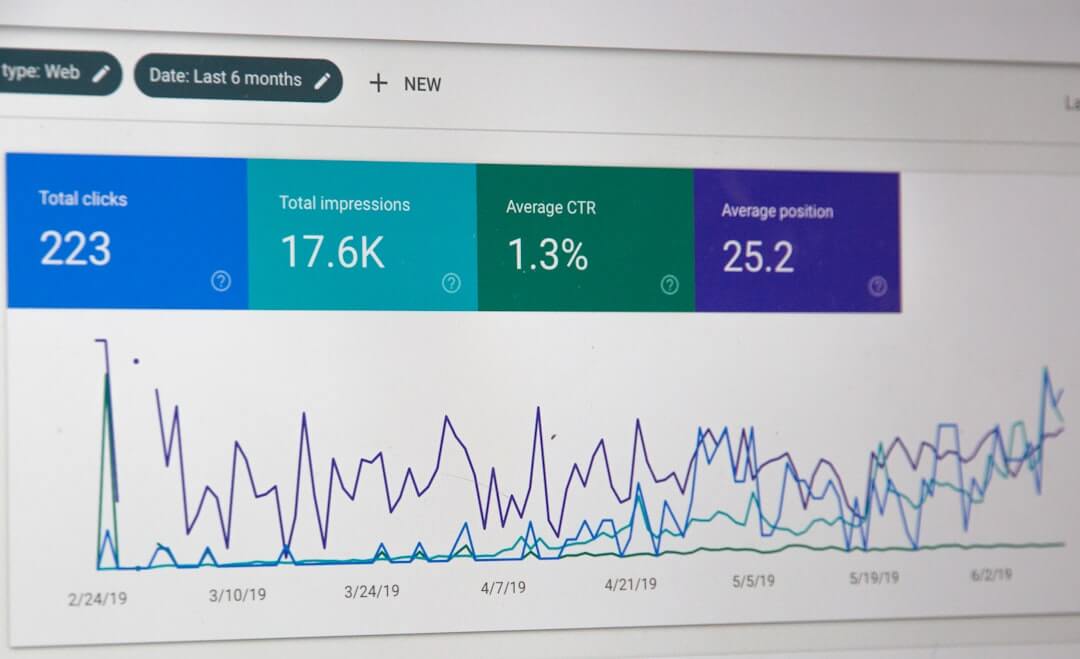 A white label PR service should be judged by fit, fulfilment quality, and client usefulness. It is not sensible to promise one fixed business outcome, because results depend heavily on the strength of the story, the industry, the landing page, and how the client uses the visibility afterwards.
That said, there are common outcomes agencies can reasonably expect. A good release can support brand credibility, create citation opportunities, give sales teams a proof point, and contribute useful content assets for wider search and PR campaigns.
According to the 2024 State of the Media report from Cision, 68% of journalists say the most important element of a pitch is whether the story is relevant to their audience, while 63% say data and original research make a story more compelling (Cision State of the Media). Those findings are a useful reminder that relevance beats volume, and evidence beats adjectives.
Ahrefs also reports that the vast majority of pages get little to no organic traffic from Google, which is a polite way of saying publishing content alone is not a strategy (Ahrefs blog). PR works better when it is part of a broader visibility plan that includes search intent, on-site content, and conversion-ready pages.
Reasonable client-facing outcomes include:
- Faster fulfilment than building PR operations in-house
- Stronger service breadth without immediate hiring
- Cleaner reporting for campaigns and monthly reviews
- Better retention because clients can buy more under one roof
If the goal is “make us famous by Tuesday”, you will need a sturdier conversation. If the goal is structured visibility support that complements SEO and brand marketing, white label PR can be a very sensible tool.
White label PR works best when agencies treat it as part of a system, not a miracle. Used properly, it helps you sell a broader service, protect team capacity, and give clients a cleaner path to media visibility with support from fulfilment partners like BrandPush.
Frequently Asked Questions
What is a white label PR service?
A white label PR service is a fulfilment model where a third party delivers PR work behind the scenes while the agency presents the service under its own brand. The agency keeps the client relationship and usually controls strategy, pricing, and communication.
Who should use a white label PR service?
It suits agencies, consultants, and marketing firms that want to offer PR without building a full internal delivery team. It is especially useful when clients already ask for launch visibility, announcement support, or media-ready content.
Is a white label PR service the same as hiring a PR agency?
No. A white label service is usually backend fulfilment for another agency’s client offer, while a PR agency typically works directly with the brand and owns more of the strategy and relationships.
Does white label PR include journalist outreach?
Sometimes, but not always. Many white label PR services focus on press release preparation, distribution, and reporting rather than bespoke media pitching.
How do agencies make money from white label PR?
Agencies usually buy fulfilment at one price and resell it as part of a packaged client service. The margin depends on pricing, account management time, revision load, and whether strategy is included.
What should an agency ask before choosing a white label PR partner?
Ask about accepted industries, editorial review, turnaround time, reporting quality, branding visibility, and support response times. You should also ask what happens if a submission is not suitable, because that is where process quality becomes very obvious.
Can white label PR help with SEO?
It can support SEO indirectly by increasing brand visibility, creating indexable news assets, and supporting credibility signals around campaigns. It should not be sold as a guaranteed rankings trick, because search performance depends on many factors beyond distribution.
How quickly can a white label PR service be launched inside an agency?
Many agencies can launch within days if they already have a clear offer, onboarding process, and client qualification checklist. The slower part is usually not the fulfilment setup but getting internal sales teams to describe the service properly.