Press Release for SEO: How to Use News Content to Support Search Visibility
Quick answer: A press release for SEO can support search visibility when it creates indexable news content, branded search demand, citations, and media mentions. It is not a cheat code for rankings, and it works best when tied to a real announcement, a relevant landing page, and a broader digital PR strategy.
What does a press release for SEO actually do?
 A press release for SEO helps search performance indirectly more often than directly. The useful outcomes are usually brand mentions, discovery, crawlable pages, referral traffic, and supporting relevance signals rather than a miraculous rankings leap.
Google has been pretty clear for years that large-scale press release links should not be treated as a link scheme shortcut, as outlined in its link spam guidance. That does not make press releases useless, it just means the value comes from visibility and amplification, not fantasy maths.
- Brand searches can increase after coverage and make your name more recognisable
- Journalists and bloggers may find the story and write their own pieces later
- Prospects can discover a launch, funding round, report, hire, or partnership through search
When is a press release worth using for SEO?
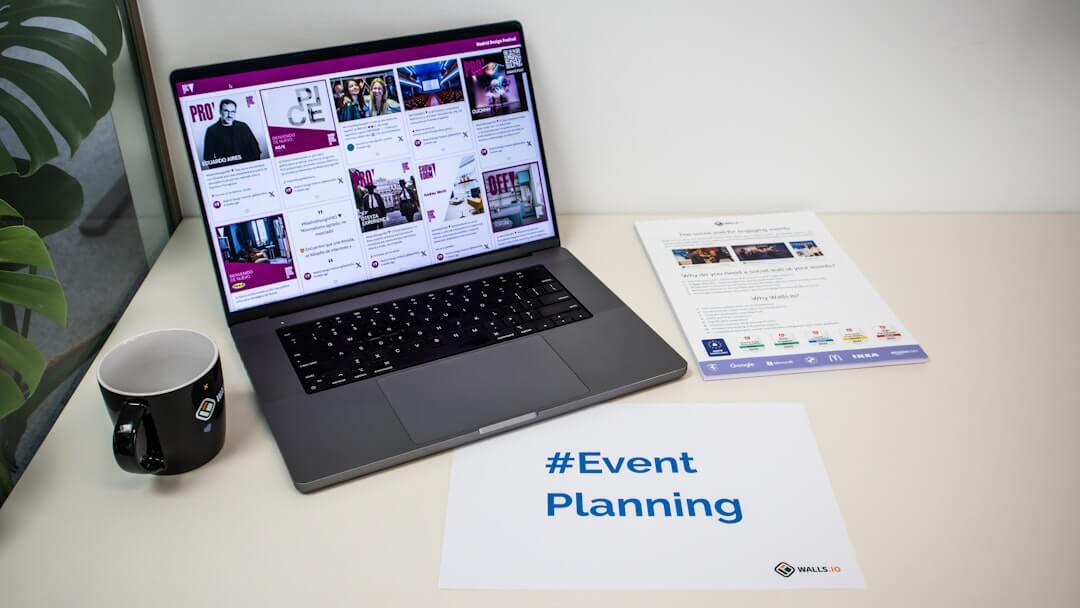 A press release is worth using when you have actual news and a clear page you want the attention to support. It is far less useful when the story is basically, in technical terms, nothing happened.
The strongest use cases are events that deserve a timestamp and a searchable trail. Think product launches, funding announcements, research findings, executive appointments, partnerships, expansion news, awards, and major milestones.
| Situation | SEO value potential | Why it matters |
|---|---|---|
| Product launch | High | Creates searchable demand and links the news to a relevant commercial page |
| Original data or report | High | Gives publishers and writers something worth citing |
| Rebrand or new website | Medium | Helps search engines and users connect old and new brand signals |
| Minor feature tweak | Low | Usually not newsworthy enough to earn attention |
| Generic company update | Low | Adds little beyond a page that nobody asked for |
A useful test is simple. If a customer, partner, investor, or journalist would genuinely care, the release may help SEO through awareness and citations.
How should you structure a press release for SEO?
 A good SEO-minded release is built for clarity, relevance, and discoverability. It should read like news first and search content second, because stuffing a headline with awkward keywords is a reliable way to sound like a toaster wrote it.
Start with one primary topic and one destination page. If the announcement is about a product launch, link naturally to the product page, and make sure the release headline, subheading, and body use related language people would actually search.
- Put the main topic in the headline naturally
- Mention the brand name early for branded search association
- Include one clear destination URL that matches the announcement
- Add concrete details such as dates, numbers, locations, and names
- Use a quote only if it says something better than “we are thrilled”
The body should answer the basic newsroom questions fast. Who, what, when, where, why, and what happens next still beat keyword stuffing, partly because readers are human and partly because search engines have met humans before.
If you need help with the writing itself, BrandPush has a practical press release writing guide and a collection of free press release templates. Those save time and reduce the odds of publishing something that sounds like an internal memo in a suit.
What SEO outcomes can you realistically expect?
 Realistic expectations make this tactic useful. Unrealistic expectations make it expensive theatre.
There is no reliable recent industry-wide dataset proving a standard ROI figure for press release SEO, and there is no trustworthy benchmark showing a fixed ranking lift from distribution alone. That matters because it means any article promising guaranteed results is selling certainty it cannot evidence.
What you can measure instead is the chain reaction around the announcement. Look for impressions, indexed pages, branded search growth, referral sessions, assisted conversions, media mentions, and secondary pickups across the weeks after publication.
- Check whether the release and linked landing page are indexed
- Measure referral traffic from coverage and syndication pages
- Track brand queries in Google Search Console over 2 to 6 weeks
- Watch for earned articles that appear after the original release
- Compare conversions from announcement traffic versus baseline
A press release can also help create entities and associations around your brand. Google’s own documentation on Search Central repeatedly points back to useful, clear, people-first content and a site that is easy to understand, which is exactly why news pages need proper context and internal linking.
What mistakes make press releases weak for SEO?
 Most poor results come from poor inputs. A release cannot rescue a weak story, a confusing page, or a site that looks abandoned since 2022.
One common mistake is publishing a release with no relevant landing page behind it. Another is aiming every announcement at the homepage, which is a bit like sending all post to the kitchen and hoping someone sorts it.
- Chasing links alone instead of attention and credibility
- Using thin or vague announcements with no clear news angle
- Targeting a page that does not match the story intent
- Publishing on a website with slow load times or weak on-page SEO
- Forgetting to repurpose the announcement into blog, social, and email content
Another mistake is treating distribution as the finish line. The best-performing campaigns turn one announcement into multiple assets, including a newsroom post, LinkedIn content, founder commentary, short-form clips, and follow-up pitches to relevant journalists.
For a deeper look at quality control, BrandPush also has a guide to common mistakes to avoid in your press release. It is less glamorous than a vanity metric, but much more useful 🙂
How do you turn one press release into broader search visibility?
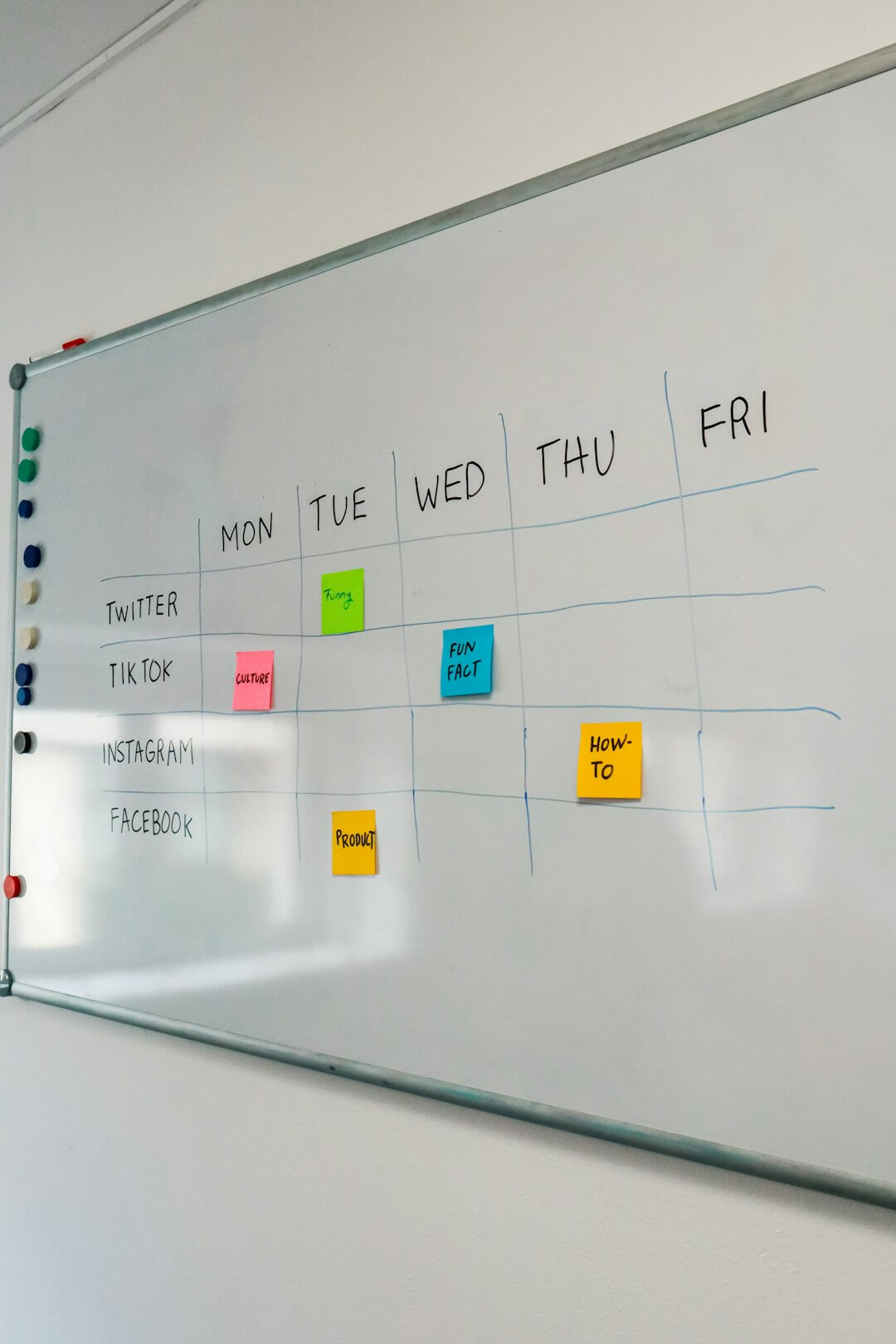 The release itself is only one asset. The smarter play is using it as a source document for a wider search and digital PR campaign.
Start by publishing the release, then support it with content that targets adjacent intent. A launch announcement can become a blog explainer, a founder Q&A, a comparison of use cases, a customer email, and a short social thread that sends people back to the core page.
- Publish the release with a clear news angle and destination page.
- Add internal links from your blog or newsroom to the commercial or informational page that matters.
- Repurpose the announcement into supporting content aimed at informational queries.
- Share it with customers, partners, and relevant communities that may cite or discuss it.
- Review Search Console and analytics data, then update the linked page if search behaviour reveals better wording.
This is where a done-for-you distribution service can be practical rather than flashy. If your goal is to get legitimate visibility for a real announcement, BrandPush can help place that release across major outlets and broad syndication, which gives your story a better chance of being discovered, searched, and referenced.
How long does press release SEO take to show results?
 A press release can be published quickly, but SEO effects are uneven and delayed. Some visibility appears in days, while the more useful effects, such as secondary mentions, branded search growth, and assisted conversions, may take several weeks.
Indexation can happen fast, particularly if the release lands on crawlable pages and your site is technically healthy. The slower part is human behaviour, because journalists, buyers, partners, and searchers do not all wake up at once and type your brand name in chorus.
| Timeline | What may happen |
|---|---|
| 24 to 72 hours | Release pages go live, early indexing and referral clicks start |
| 1 to 2 weeks | Brand mentions, branded searches, and social shares may rise |
| 2 to 6 weeks | Secondary coverage, assisted conversions, and query data become clearer |
| 6 weeks plus | Strong announcements may keep earning links, mentions, and branded demand |
A realistic review window is 30 days minimum, with a second check at 60 to 90 days. Shorter than that, and you are mostly judging the speed of publication rather than the search impact.
A press release for SEO works best as part of a larger visibility system, not as a lonely ranking trick. Publish real news, point it at the right page, measure the right signals, and use distribution to create discoverability rather than wishful thinking.
If you treat the release as the start of the story rather than the whole story, it can support search in practical ways. That is the lane BrandPush fits nicely into, especially for brands that want news coverage without turning the process into a part-time job.
Frequently Asked Questions
Is a press release good for SEO?
Yes, but mostly in an indirect way. It can support SEO through brand visibility, indexed news content, media mentions, referral traffic, and branded search demand.
Do press release links help rankings?
They should not be treated as a shortcut for link building. Google has long warned against using large-scale press release links as a manipulative ranking tactic, so the safer value is exposure and discovery.
What makes a press release newsworthy enough for SEO?
A release needs a real event or development people would care about. Strong examples include launches, partnerships, funding, research, awards, expansion, and major hires.
How many keywords should a press release include?
Usually one primary topic and a few natural related terms are enough. If the copy reads like it was written for a spreadsheet rather than a reader, you have gone too far.
Should I link to my homepage or a landing page?
Link to the page that best matches the announcement intent. A specific landing page or product page is usually stronger than a generic homepage because it gives users and search engines better context.
How do I measure whether a press release helped SEO?
Track indexation, referral traffic, branded search growth, media mentions, assisted conversions, and any secondary coverage that appears after the release. Those signals tell a more honest story than rankings alone.
How long does it take for a press release to affect search visibility?
Some effects, such as indexation and initial clicks, can appear within days. Broader outcomes like branded search demand, earned mentions, and assisted conversions often take 2 to 6 weeks or longer.
Can small businesses use press releases for SEO?
Yes, if they have genuine news and a clear business goal. A small business with a strong local launch, partnership, report, or milestone can often get more value from a focused release than from a vague corporate update.