How to Use a Press Release for SEO Without Treating It Like a Link Trick
Quick answer: A press release for SEO can help when it creates real visibility, earns brand mentions, and leads to secondary coverage that other sites reference and link to. It does not work well as a shortcut for mass link building, because search engines have spent years getting wise to that little hobby.
What does a press release for SEO actually do?
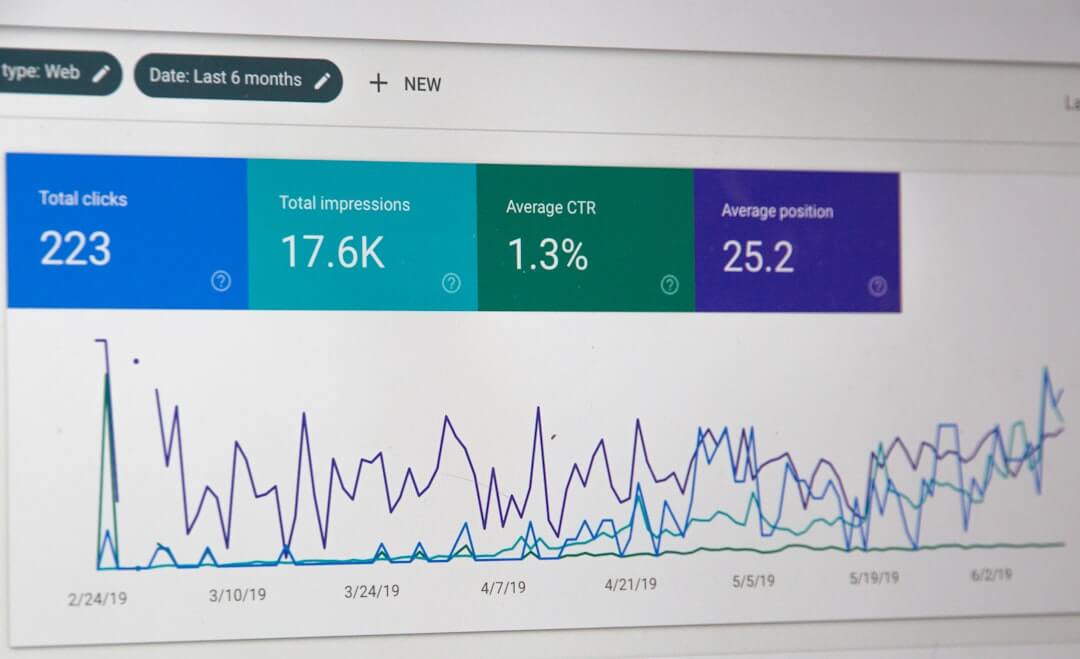 A press release for SEO supports search performance by improving discoverability, brand signals, and the chances of being cited by other publishers. Its value usually comes from what happens after distribution, not from stuffing one release with hopes and prayers.
Google has long advised against treating large-scale link placement as a ranking tactic, especially when links are overly optimised or mechanically repeated across sites. That means the SEO upside is usually indirect but still useful, which is less glamorous than magic beans but rather more reliable.
- It can increase branded search demand when more people see your company name
- It can create citation paths for journalists, bloggers, and niche publishers
- It can help important announcements appear in search results for your brand and product terms
A good release also gives search engines more context about who you are, what you launched, and why it matters. That context can support entity recognition and make your brand easier to understand across the web.
Why press releases help SEO indirectly rather than directly
 The main SEO benefit is usually amplification, not raw link equity from syndication pages. In plain English, a release can put your story where people can find it, quote it, and build on it.
Google’s documentation on link spam makes the position fairly clear: manipulative linking is a poor long-term plan. The safer play is to use PR for visibility and let that visibility create editorial opportunities.
Here is the practical difference:
| Tactic | Likely outcome | SEO quality |
|---|---|---|
| Mass syndication with keyword-heavy anchors | Lots of pages, little trust | Low |
| Newsworthy release with clear proof | Media pickup and branded visibility | Medium to high |
| Release that sparks expert commentary or niche coverage | Secondary links and citations | High |
Ahrefs has repeatedly shown in its broader link research that quality and relevance matter far more than link volume alone, especially when links are editorial and contextually earned. That lines up neatly with how sensible PR works, which is mildly inconvenient for anyone still chasing 500 identical placements before lunch.
When is a press release worth using for SEO?
 A press release is worth using when there is genuine news tied to a search or brand objective. If nothing happened, publishing a release is mostly a public record of your optimism.
The strongest use cases usually involve launches, funding, partnerships, research, milestones, or a clear market expansion. These events give publishers and searchers a reason to care, which remains annoyingly important.
- New product or feature launch with a clear customer benefit
- Original data, survey findings, or industry commentary
- Expansion into a new region, sector, or audience
- Major hire, acquisition, funding event, or partnership
- Time-sensitive announcement connected to a trend or regulation
It also helps if the release supports a page you actually want discovered, such as a product page, homepage, category page, or founder profile. SEO gets easier when the release connects to a real destination with useful on-site content.
How to write a press release that supports search visibility
 A search-friendly press release starts with newsworthiness, then adds clarity, entities, and supporting evidence. If the angle is weak, no amount of keyword dust will save it.
Your headline should describe the actual news in plain language and include the primary topic naturally. BrandPush has a useful guide on how to create the perfect press release headline if you want a cleaner framework.
Use the body to answer the obvious questions quickly: who, what, where, when, why, and why now. This structure helps both readers and AI systems extract the important facts without excavating them like archaeologists.
- Lead with the announcement in the first paragraph
- Include the brand name, product name, and category terms naturally
- Add one or two proof points such as numbers, dates, or customer context
- Quote a real person with something more useful than corporate wallpaper
- Link to the most relevant page, not five different pages in a panic
Anchor text should stay natural and brand-led rather than aggressively keyword-stuffed. A naked URL, brand name, or product name is usually safer and more believable than trying to force exact-match phrases into every sentence.
If you need help drafting the structure, BrandPush also has a practical press release writing guide. Good formatting still matters because journalists and editors are busy, and busy people are not famous for their patience 🙂
What should you measure after distribution?
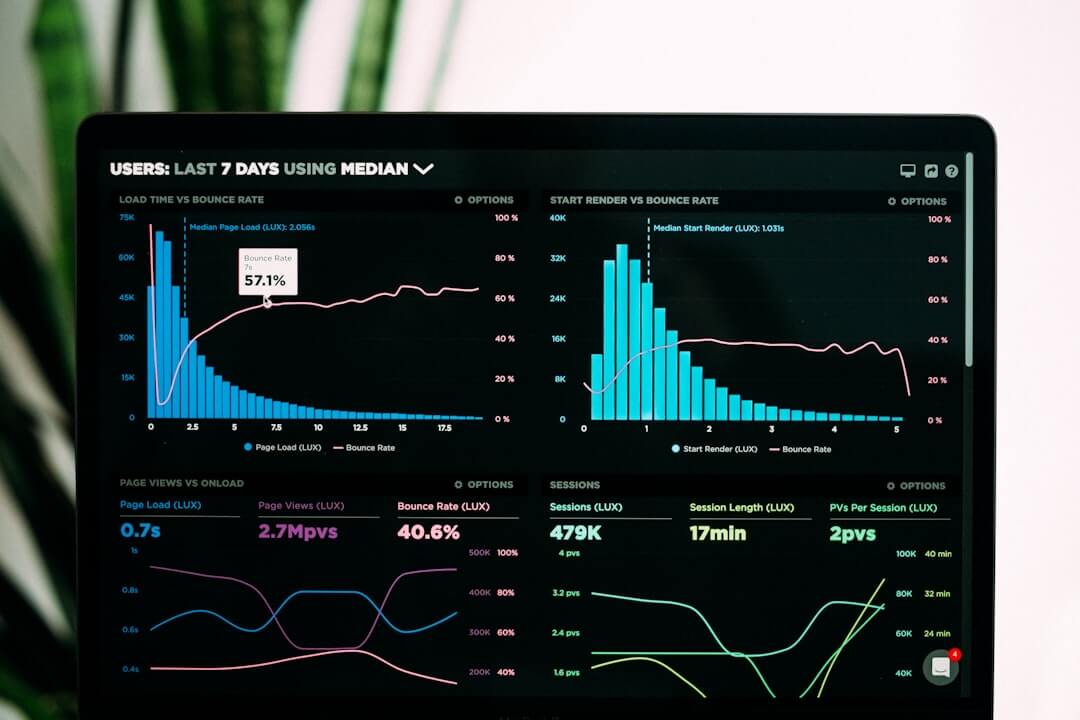 The right metrics are visibility, engagement, and follow-on impact, not just the number of pages where the release appeared. Counting placements alone is how teams convince themselves a spreadsheet is a strategy.
Look first at branded search, referral traffic, and whether more sites mention your company after the release goes live. Then check whether important pages improved in impressions, clicks, or assisted conversions over the following weeks.
- Growth in Google Search Console impressions for brand and topic terms
- Referral traffic from publication pages and related mentions
- New backlinks from secondary coverage rather than syndication copies
- Increases in direct traffic, branded search, or demo sign-ups
- Faster indexing of launch pages or announcement pages
A sensible review window is usually 2 to 8 weeks, depending on the size of the story and the authority of the sites that mention it. Some effects are immediate, while others show up later when a journalist, blogger, or partner references the announcement.
HubSpot notes in its general PR and content guidance that distribution works best when paired with strong owned content and clear conversion paths. In other words, if people arrive and find a thin landing page, the press release did its job and your website took the afternoon off.
Common mistakes that make press releases useless for SEO
 Most failed SEO press releases suffer from the same problem: they were written for a theory, not for a reader. Search engines are better at spotting that than many marketers would prefer.
The biggest mistake is publishing something that is not actually news. A release about your redesigned favicon may be deeply meaningful internally, but the outside world is unlikely to cancel dinner plans over it.
- Using exact-match anchor text everywhere
- Linking to irrelevant pages just to force keywords
- Publishing vague claims without evidence or specifics
- Sending the release with no supporting page, data, or media asset
- Measuring success only by placement count
- Expecting rankings to jump overnight
Another common issue is ignoring follow-up opportunities. When a release lands well, the smart move is to turn it into outreach, social proof, sales collateral, and updated on-site content rather than leaving it to gather digital dust.
How BrandPush fits into a sensible SEO and PR workflow
 A distribution service is most useful when the story is ready and the goal is reach with structure, not random hope. That is where a done-for-you option like BrandPush can help brands turn a real announcement into broad publication visibility.
BrandPush is best treated as one part of a wider digital PR and search visibility plan. You publish a strong release, distribute it properly, and then use the resulting coverage to support branded search, credibility, and potential follow-on mentions.
For many teams, the practical workflow looks like this:
| Stage | What to do | Why it matters |
|---|---|---|
| Prepare | Tighten the angle, headline, and target page | Better relevance and stronger click-through |
| Distribute | Publish through a trusted service with broad outlet reach | Increases visibility and discovery |
| Amplify | Share on owned channels and in outreach | Extends lifespan beyond publication day |
| Measure | Track branded search, traffic, mentions, and links | Shows real business impact |
This approach also fits neatly with broader answer-engine visibility. If you want more context on that shift, our article on what answer engine optimisation is and how brands should use it covers why structured, quotable content matters more than ever. Done well, a press release becomes part of your discoverability system rather than a one-off stunt 🔎
A press release for SEO works best when it supports real news, a useful destination page, and a broader PR plan. Use it to create visibility, citations, and momentum, then measure what happens after distribution rather than worshipping the placement count.
That is the practical takeaway: press releases can help SEO, but mostly through attention, trust, and secondary coverage. If you need a straightforward way to distribute real announcements at scale, BrandPush can slot into that workflow without requiring a fondness for complicated PR admin.
Frequently Asked Questions
Does a press release help SEO?
Yes, but usually indirectly. It can improve visibility, generate branded searches, and lead to secondary mentions or backlinks from other sites.
Are press release links good for rankings?
They can have value, but they should not be treated as a direct ranking shortcut. Search engines are more interested in editorial context and natural mentions than repeated syndicated links.
How many links should a press release include?
Usually one or two is enough. More than that often looks forced and can distract from the actual story.
What is the best anchor text for a press release?
Use brand name, product name, or a plain URL in most cases. Natural anchor text is safer and more credible than stuffing exact-match keywords into every link.
How long does it take to see SEO results from a press release?
Initial visibility can appear within days, especially for brand searches and referral traffic. Broader SEO effects often take weeks because they depend on follow-on coverage and how search demand develops.
What kinds of announcements are best for SEO-focused press releases?
The best candidates are launches, research, partnerships, funding, and other concrete milestones. The story needs a reason to exist beyond wanting a few extra links.
Can small businesses use press releases for SEO?
Yes, especially when they have a clear niche angle or local relevance. A smaller brand can still win if the news is specific, timely, and tied to a useful page on the site.
Should I use a press release instead of content marketing?
No. A press release works best alongside content marketing, not in place of it. Your site still needs strong pages, helpful content, and a conversion path once people arrive.
What should I track after sending a press release?
Track branded search impressions, referral traffic, new mentions, and any secondary backlinks. Those signals tell you more than a raw placement total ever will.