How to Get Featured in Publications Without Wasting Time on Weak PR
Quick answer: To get featured in publications, you need a story with actual news value, proof that supports it, and a distribution plan that puts it in front of the right editors, platforms, and search surfaces. Most brands fail because they pitch promotions disguised as news, which journalists can smell from orbit. A sharper angle, credible assets, and realistic expectations usually beat a bigger ego.
What does it really mean to get featured in publications?
Getting featured in publications means your brand, founder, launch, data, or announcement appears in recognised media outlets or news-indexed websites. It is partly a PR win and partly a visibility asset because those mentions can support trust, search visibility, and branded discovery.
Not every feature is earned in the same way. Some come from editorial pitching, some from contributed content, and some from distribution of a well-written press release through platforms that syndicate news content.
- Editorial features usually require a strong angle and journalist interest
- Contributed pieces depend on publication rules and your expertise
- Press release placements depend on approval, formatting, and distribution quality
Why do brands want publication features in the first place?
 Media features are credibility shortcuts. When your brand appears on known outlets, potential customers do less squinting and more trusting.
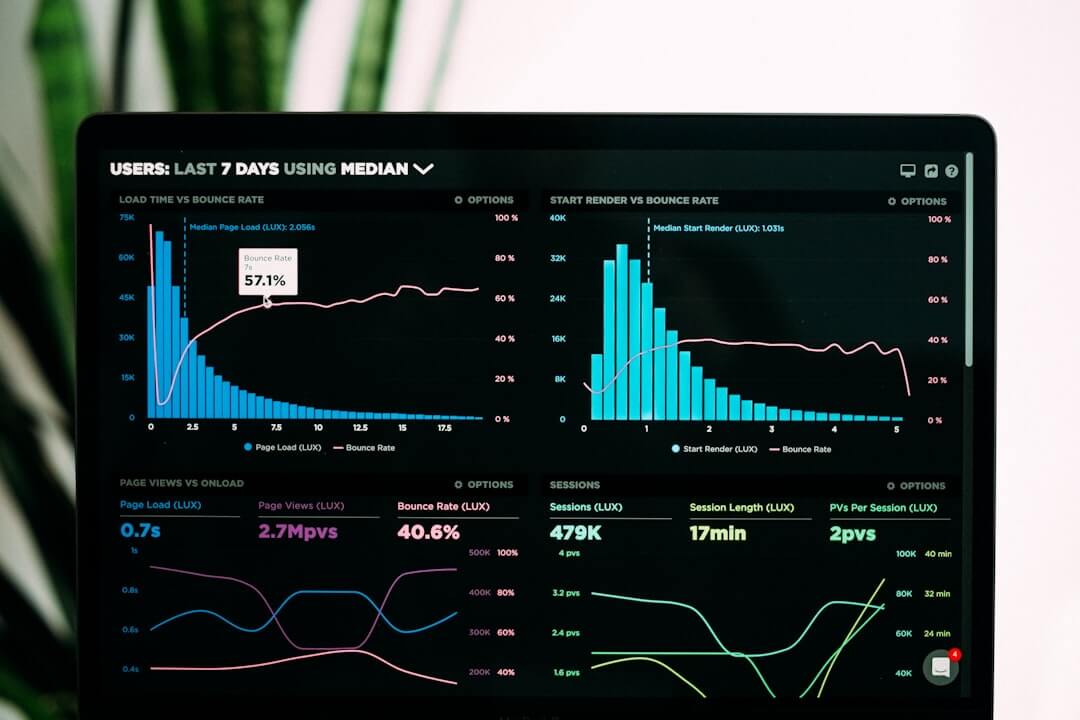
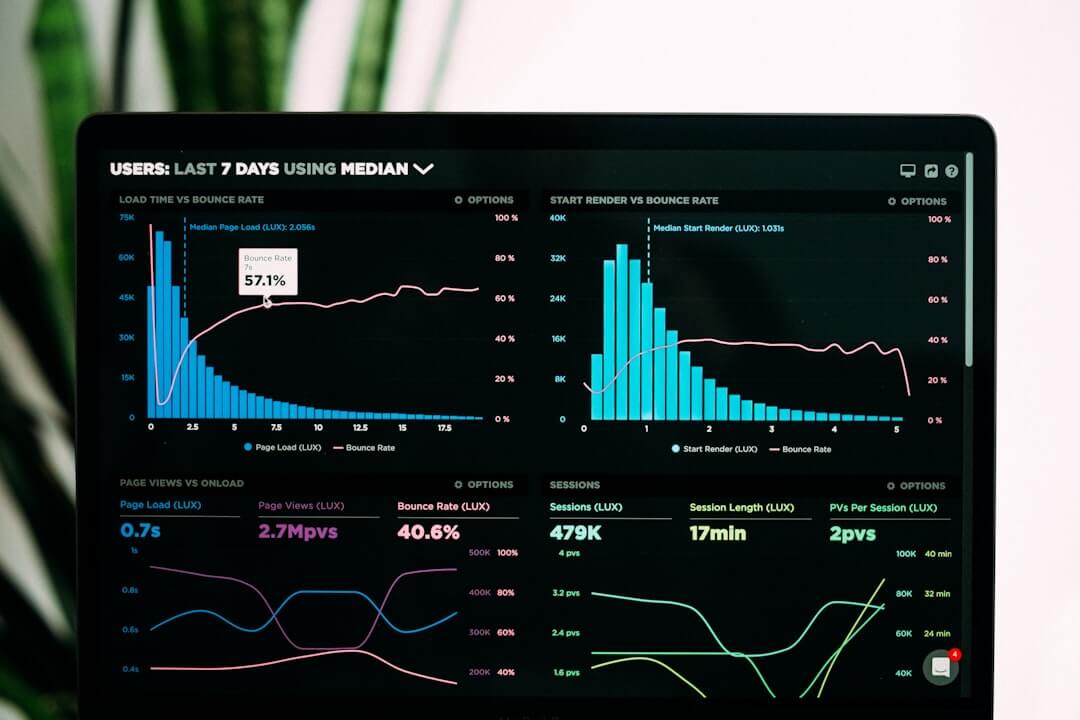
They can also support SEO and AI search visibility. Brand Featured reports that businesses reselling media features often see 2x to 5x ROI, and it also argues that press release placements can help with first-page Google appearances, organic traffic, and visibility in AI-driven search results (source).
The value is usually a mix of reputation and discoverability. A press feature can rank for your brand name, occupy more search real estate, and push less flattering results further down, which is not glamorous but is very useful.
- Better brand trust on landing pages and sales decks
- More search result coverage for branded keywords
- Stronger “As Seen On” proof for conversion pages
| Benefit | What it helps with | What to expect |
|---|---|---|
| Credibility | Buyer confidence | Faster trust building |
| Search visibility | Branded queries | More pages associated with your name |
| Content reuse | Website and social proof | More mileage from one announcement |
| Reputation support | Positive SERP presence | Better control of what people find |
What makes a publication feature actually possible?
 Newsworthiness is the part most brands skip. A feature becomes possible when your announcement is timely, specific, and useful to somebody beyond your own sales team.
Editors care about relevance, not your internal excitement. A new hire is rarely news on its own, while funding, partnerships, product launches, proprietary data, awards, milestones, and expansion plans have a better chance if they are framed properly.
Proof makes a decent angle believable. That means numbers, screenshots, named partners, customer data, launch dates, founder quotes, and a website that does not look like it was built during a power cut.
- Ask, “Why now?” before writing anything
- Add specific numbers instead of vague claims
- Include assets that reduce editorial doubt
How to get featured in publications step by step
 A reliable process beats random pitching. If you want repeatable results, treat media visibility like a campaign rather than a lucky break.
Step 1 is choosing one angle, not seven. Pick the clearest news hook and build the release or pitch around it, because stuffing every company update into one story usually kills it.
- Choose a real news angle. Product launch, milestone, data, expansion, funding, partnership, or event are the usual suspects.
- Write a sharp headline. Keep it factual, readable, and specific, and avoid slogans wearing fake glasses.
- Support the claim with proof. Add figures, dates, names, and links to relevant pages.
- Prepare your website. Journalists and readers will check it, and so will publication review teams.
- Distribute or pitch strategically. Use direct outreach for editorial opportunities and distribution for broader syndication and discoverability.
- Repurpose the coverage. Add it to your homepage, sales pages, social content, and investor materials.
Your website quality matters more than many brands expect. If the site looks thin, unclear, or unfinished, even a strong story can get rejected because reviewers do not want to attach a publication to something dubious.
Press release quality matters as much as the angle. If you need help structuring it, BrandPush has a useful press release writing guide and a set of free press release templates that make the process less painful.
Which types of stories are most likely to get picked up?
 Some stories travel better than others. Publications tend to favour announcements that are timely, verifiable, and relevant to a broader market or audience.
Founders often overestimate brand importance and underestimate context. “We launched a thing” is weak, while “We launched a thing that solves a costly problem for a growing market, backed by new data” has a pulse.
| Story type | Why it works | Risk if weakly framed |
|---|---|---|
| Product launch | Clear, timely update | Sounds promotional |
| Funding or growth milestone | Signals traction | Can feel self-congratulatory |
| Proprietary data | Offers insight beyond the brand | Falls apart without methodology |
| Partnership | Adds external validation | Feels minor if the partner is unclear |
| Expansion | Shows business momentum | Lacks impact without numbers |
| Founder expertise | Useful for commentary | Becomes generic thought leadership |
Data-led stories often punch above their weight. Original survey findings, user trends, and industry benchmarks give journalists something more useful than another “exciting announcement” 🙃
- Product launches with a clear market angle
- Milestones with revenue, users, or growth figures
- Research-backed stories with a simple takeaway
How do press releases help you get featured?
 Press releases are distribution assets, not magic tricks. They help package your news in a standard format that publications, search engines, and syndication systems can process efficiently.
They also create more ways to be discovered. According to Brand Featured, placements on high-authority sites can support SEO, search rankings, and credibility, while syndicated features can create trust signals and useful “As Seen On” badges (source).
The real advantage is efficiency. One well-built release can support publication placement, brand search coverage, sales enablement, and AI-search discoverability at the same time.
That is where a done-for-you service can help. BrandPush is useful for brands that want a cleaner route to distribution, publication visibility, and reusable proof assets without building the whole process from scratch.
- Standardised formatting for publication review
- Better alignment with search-friendly content structure
- Reusable coverage for site trust and conversion pages
What mistakes stop brands getting featured?
 Most failed PR is not unlucky. It is usually unclear, unproven, overly promotional, or badly timed.
The worst mistake is confusing marketing copy with news. Journalists do not exist to publish your ad with nicer typography.
- Leading with adjectives instead of facts
- Claiming impact without evidence or numbers
- Sending a release before the website and landing pages are ready
- Using weak headlines that hide the actual story
- Expecting one placement to transform revenue by tea time
Timing also trips people up. If your story is tied to a launch date, event, or trend cycle, distribution should happen while the information is still fresh rather than after the moment has wandered off.
Formatting errors are surprisingly expensive. A muddled headline, bloated intro, or sloppy quote section can weaken approval chances, which is why a checklist matters more than optimism.
What should you expect after you get featured?
 A publication feature is the start of the work, not the end. Once coverage lands, the smart move is to turn it into an asset across search, conversion, and outreach.
Reuse is where the compounding value appears. Add media logos to key pages, build an “As Seen On” section, update your founder bio, reference the feature in sales emails, and share the coverage socially without sounding unbearably pleased with yourself.
Search impact is usually gradual rather than cinematic. Press-related pages can help your brand occupy more branded results over time, especially when paired with solid on-site SEO and supporting content from your blog or knowledge base.
- Add coverage logos to homepage and landing pages
- Link to relevant features from your press or about page
- Use mentions in investor decks, proposals, and outreach
If you want the visibility to stack, think beyond one release. Consistent announcements tied to real business progress often do more than a single splashy campaign, because repetition builds recognition and gives search engines more branded signals to crawl 📈
The practical goal is not vanity. The goal is to create a stronger digital footprint that helps customers, partners, and answer engines recognise your brand faster.
Getting featured in publications is rarely about charm alone. It is about presenting a real story with evidence, packaging it properly, and making sure the resulting coverage gets reused where it affects trust and discovery. If you want a simpler route to that process, BrandPush can help turn solid announcements into publication-ready visibility.
Frequently Asked Questions
Is getting featured in publications the same as being written about by a journalist?
No. Some features are editorially reported, while others come from contributed articles or syndicated press release placements. All can be useful, but they serve slightly different goals.
Can a small business get featured in publications?
Yes. Small businesses often do well when they have a timely launch, strong local angle, customer growth story, or useful original data. Size matters less than clarity and proof.
Do press releases still work in 2026?
Yes, but only when used strategically. They work best for distribution, search visibility, credibility, and creating reusable media assets rather than hoping a generic release will produce instant fame.
What kind of story is most likely to get picked up?
Stories with clear news value usually perform best. Product launches, milestones, partnerships, funding, expansion, and original data tend to travel further than general brand updates.
How long does it take to get featured in publications?
It depends on the route. Distribution-based placements can happen relatively quickly, while editorial features through direct outreach may take days, weeks, or no time at all because silence is also a reply.
Do publication features help SEO?
They can. Features may support branded search visibility, trust signals, and backlinks from recognised sites, especially when the coverage sits on crawlable pages and is supported by strong on-site SEO.
What should be included in a press release if I want publication coverage?
A good release needs a factual headline, a strong opening paragraph, clear supporting details, credible quotes, and accurate company information. Proof points such as numbers, dates, named partners, or research findings make it much more convincing.
Is one media feature enough to make a difference?
Sometimes one strong placement helps, but consistency is usually better. A series of credible mentions gives your brand more trust signals, more search coverage, and more reusable proof over time.