What Is a Press Release for SEO and How Do You Use It Without Expecting Miracles?
Quick answer: A press release for SEO can help search performance, but usually indirectly rather than by making the release itself rank. Its real value comes from newsworthy content, a crawlable release page, reputable distribution, referral traffic, brand mentions, and the occasional relevant backlink earned through coverage.
What does a press release for SEO actually mean?
 A press release for SEO is a release written and distributed with search visibility in mind. That means it is built around a genuine announcement, aligned with the language people actually search, and published in a way search engines can crawl and understand.
This is not a magic ranking coupon wearing a blazer. The best use case is to support digital PR, brand discovery, and earned coverage that may later strengthen SEO signals.
- It gives you a crawlable owned page for the news
- It can generate referral traffic from syndication and coverage
- It may increase branded search demand if people start looking you up
How can a press release help SEO if the effect is indirect?
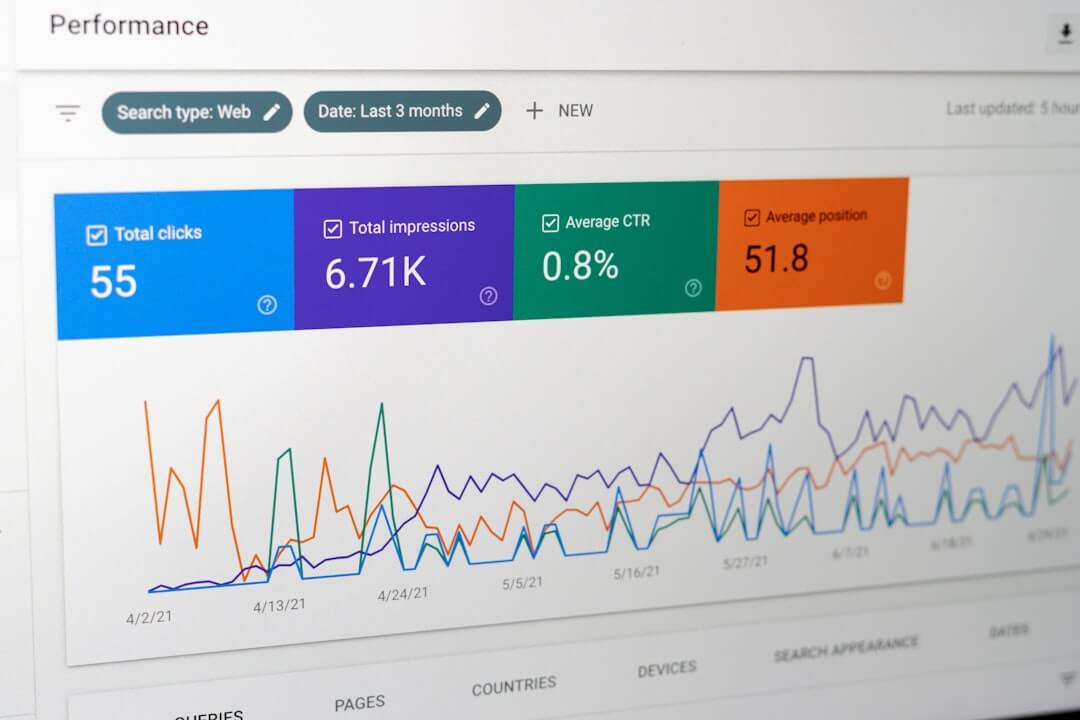 Indirect SEO impact is still real impact. Research cited by Outerbox says the direct value often starts with the owned release page when it is crawlable, internally linked, well structured, and useful to readers.
Other industry sources make the same basic point from slightly less glamorous angles. Backlinko notes that press releases can support SEO through Google News visibility, syndicated pickup, and coverage that sometimes includes links, while other reporting highlights gains in brand visibility and traffic when releases are properly optimised.
| SEO effect | How a press release contributes | What to expect |
|---|---|---|
| Crawling and indexing | Creates a fresh, indexable news page | Useful if the page is high quality |
| Referral traffic | Sends visitors from news sites and syndication pages | Often short-term but measurable |
| Branded search demand | Puts the brand in front of new audiences | Can lift name-based searches over time |
| Backlinks | May lead to earned links from journalists or niche sites | Not guaranteed |
| Topical authority | Reinforces what the brand is known for | Stronger when the news is specific |
A release can also improve internal site architecture when linked sensibly from category pages, product pages, or a news hub. Search engines do not hate clear structure, even if they rarely send thank-you notes 🙂
What makes a press release SEO-friendly in practice?
 SEO-friendly does not mean stuffed with keywords until the copy wheezes. It means the release matches a real search intent, uses clear language, and makes the announcement easy for both humans and crawlers to interpret.
The mechanics are fairly plain, which is good news for everyone. Use one primary topic, keep the headline specific, write a strong first paragraph, and make sure the release page includes clean metadata, internal links, and a sensible URL.
- Use a clear headline with the main topic naturally included
- Put the news angle in the first paragraph, not in paragraph nine after the corporate throat-clearing
- Link to a relevant page such as a product, study, report, or company news hub
- Add supporting facts, names, dates, and numbers to improve trust
- Publish on a page that is indexable and not blocked by
noindex
A good release usually answers who, what, when, where, why, and why anyone should care. If it reads like a sales brochure in a tie, it is not ready.
When does a press release for SEO make sense?
 A press release for SEO works best when you have actual news and a sensible search angle. New products, original data, partnerships, funding, major hires, market expansion, awards from credible bodies, and significant company milestones tend to travel better than vague claims about being pleased to announce being pleased.
The release should also connect to a broader visibility goal. If the announcement can support earned media, answer a search question, or drive readers to a useful landing page, it has a stronger chance of creating measurable value.
- Product launch with a clear category keyword
- Research report with original statistics journalists may cite
- Partnership announcement relevant to a niche audience
- Expansion into a new region or market segment
- Event, webinar, or campaign with a timely hook
If your only news is that your logo has become slightly bluer, save the budget. Search engines and journalists have both seen worse, but neither is obliged to care.
What should you avoid when using press releases for SEO?
 Most disappointment comes from bad expectations, not bad formatting. A press release is unlikely to rank for competitive commercial keywords on its own, and it is not a reliable shortcut to powerful backlinks.
It also fails when the release is thin, duplicated everywhere, or distributed without a proper destination on your own site. If the page is not indexable, not internally linked, and not useful beyond the headline, you are asking a lot from very little.
- Do not treat syndication links as guaranteed ranking signals
- Do not over-optimise anchor text or cram in repeated keywords
- Do not publish non-news just to create another indexed URL
- Do not send traffic to a weak landing page with no context
- Do not measure success only by how many sites republished the text
Google has spent years getting better at understanding duplicate and low-value content. Quantity still makes a loud noise, but quality gets invited back.
How do you build a press release for SEO step by step?
 A practical workflow beats vague optimism. Start with the announcement, identify the search angle, then shape the release so it works for readers, journalists, and crawlers at the same time.
Here is a straightforward process that avoids most self-inflicted wounds.
- Choose real news. Pick an announcement with external relevance, not just internal excitement.
- Define the primary keyword. For example, align the release with the product category, industry topic, or problem it addresses.
- Write a precise headline. Keep it specific, readable, and fact-led. BrandPush has a useful guide on how to create the perfect press release headline.
- Lead with the facts. Put the announcement, audience relevance, and key evidence in the opening paragraph.
- Build the owned page well. Make sure the release sits on an indexable page with metadata, internal links, and one strong destination URL.
- Distribute through reputable channels. Reach matters, but credibility and fit matter more than spray-and-pray volume.
- Track what happened next. Look for referral traffic, mentions, branded search movement, assisted conversions, and any earned links.
If you need a done-for-you route, BrandPush can help get a release published across major outlets and broad syndication, which is useful when the goal is visibility, discoverability, and a cleaner distribution workflow. It is still your job to bring actual news to the party, because distribution cannot rescue a non-story.
How should you measure results from a press release for SEO?
 The wrong KPI will tell you a comforting lie. Counting pickups alone says very little about SEO value unless those pickups lead to traffic, mentions, searches, links, or conversions.
A better approach is to look at assisted effects across search and PR. Check analytics and search data over the first 7, 30, and 90 days rather than expecting a dramatic overnight ranking jump.
| Metric | Why it matters | Where to check |
|---|---|---|
| Referral traffic | Shows whether syndication or coverage sent visitors | GA4 or analytics platform |
| Branded search clicks | Indicates increased awareness and demand | Google Search Console |
| Indexed release page | Confirms the owned page can appear in search | Search Console |
| Earned mentions | Measures pickup beyond simple syndication | Media monitoring tools |
| Backlinks earned | Tracks links from editorial coverage or niche sites | SEO tools |
| Assisted conversions | Shows whether the release influenced leads or sales | CRM and analytics |
This is one reason sensible brands use press releases as part of a broader search strategy, not as a lonely tactical stunt. If you want the release itself to perform better, BrandPush also publishes guidance on how brandpush press releases rank on Google, which is worth reading before you promise the board anything theatrical.
A release can also support AEO-style visibility when it contains clean facts, quotable statements, and a well-defined topic. Large language models and search overviews tend to favour material that is structured, attributable, and easy to summarise, which is refreshingly close to how good journalism has always worked.
Press releases for SEO work best as an amplifier, not a substitute, for content, technical SEO, and digital PR. If the brand already publishes useful pages and has something timely to say, a release can give that story more surface area and more chances to be discovered.
Frequently Asked Questions
Does a press release directly improve Google rankings?
Usually not in a simple, direct way. A press release more often supports rankings indirectly through coverage, traffic, branded searches, and occasional earned links.
Can a press release rank in search results itself?
Yes, the owned release page can rank if it is crawlable, useful, and relevant to a query. It is less likely to rank for highly competitive commercial keywords than for branded, niche, or news-led searches.
Are press release backlinks good for SEO?
They can help, but mostly when they come from earned editorial coverage rather than mass syndication alone. The value is qualitative in the available research, not something you should treat as guaranteed link equity.
What is the best keyword strategy for a press release?
Use one main topic and write naturally around it. The headline, intro, subpoints, and destination page should all reinforce the same subject without obvious repetition.
How long does it take to see SEO results from a press release?
Referral traffic and pickups may appear within days. Broader SEO effects such as branded search lift, earned links, or assisted conversions often take several weeks to become clear.
Should every company news update become a press release?
No. Use a press release when the announcement has external relevance and a realistic reason for media, search users, or industry audiences to care.
What matters more, distribution or the release content?
Both matter, but content quality comes first. Strong distribution can amplify good news, while weak news distributed widely is still weak news in more places.
How do I know whether my release page is crawlable?
Check that the page is not blocked by robots.txt or tagged noindex, and confirm indexing status in Google Search Console. Also make sure the page is linked from your site so search engines can actually find it.
Is a press release useful for small businesses doing SEO?
Yes, if the business has a genuine announcement and a clear audience. For smaller brands, the best outcomes are often visibility, credibility, referral traffic, and branded search growth rather than dramatic ranking jumps.
What should a press release link to for SEO benefit?
Link to the most relevant destination page, such as a product page, research report, category page, or newsroom article. The destination should match the announcement and help the visitor continue the journey instead of landing in a digital cul-de-sac.
A press release for SEO is worth using when you treat it as a visibility asset, not a ranking trick. Create real news, publish it on a strong owned page, distribute it well, and measure the knock-on effects that actually matter, which is exactly where BrandPush fits best.