How to Use a Press Release for SEO in 2026 Without Expecting Magic Links
Quick answer: A press release for SEO works best as an indirect visibility tactic, not a shortcut to rankings. It can help create a crawlable news page, earn media mentions, increase branded search demand, and generate citations and referral traffic when the story is genuinely newsworthy.
What does a press release for SEO actually do?
A press release for SEO supports search performance mostly through secondary effects. Research from Semrush and Outerbox shows the value comes from content discovery, citations, earned coverage, and reputation signals rather than guaranteed ranking power from syndicated links.
That is the boring truth, which is why it is also the useful one. In 2026, strategy is increasingly framed around SEO, AEO, and GEO together, not SEO in isolation, according to industry guidance on AI discoverability.
- A release can publish on your site as a crawlable owned asset
- A release can spark earned articles that send referral traffic
- A release can strengthen brand entity signals across the web
Why press releases still matter in 2026
 Press releases still matter because search is no longer just ten blue links. Brands now need assets that help them appear in search results, answer engines, and AI-generated responses where consistency, citations, and brand mentions all carry weight.
This is where digital PR stops being a vanity exercise and starts behaving like infrastructure. A well-structured release can feed your website, your newsroom, your outreach, and your broader discoverability strategy at the same time 🙂
| Benefit | How it helps SEO | What to expect |
|---|---|---|
| Owned news page | Gives search engines fresh crawlable content | Faster discovery of brand updates |
| Earned coverage | Can lead to editorial mentions and links | Variable, depends on story quality |
| Branded search | Increases awareness and searches for your name | Useful for trust and click-through |
| Citations | Reinforces business details and brand presence | Helpful for local and entity signals |
| Referral traffic | Sends visitors from media coverage | Often more immediate than ranking gains |
How to structure a press release for SEO, AEO, and GEO
 Structure matters because machines and humans are both scanning for clarity. If your release is vague, bloated, or written like a hostage note from the legal team, it will be harder to surface in search and AI systems.
Start with a headline that states the actual news in plain English. Then use a first paragraph that answers who, what, when, where, and why it matters in two sentences, because that opening often becomes the quotable extract used by search features and journalists.
- Put the primary keyword in the headline, intro, and one subheading naturally
- Add specific facts, dates, numbers, and named sources where possible
- Include one clear destination link, such as a product page, study, or resource
Entity clarity helps discoverability. Mention your company name consistently, describe what it does in one line, and link to a relevant page rather than spraying links around like confetti.
If you need help with format, BrandPush has a practical press release writing guide and an easy order form to get started when the story is ready.
What makes a release newsworthy enough to help SEO?
 Newsworthiness is the filter. Semrush notes that press releases can be effective for SEO when used correctly, but only when the story deserves attention and distribution is matched to a real announcement.
A release about nothing will achieve nothing with admirable efficiency. Search visibility improves when the underlying story gives publishers, readers, and AI systems a reason to cite it.
- Product launches with a clear use case or result
- Original data, surveys, or market insight with numbers
- Funding, partnerships, milestones, awards, or expansion
Specificity beats excitement. A claim like “we are thrilled to announce” tells nobody anything, while “the company expanded into three new markets and cut onboarding time by 42%” is at least capable of keeping a straight face.
A useful rule is to ask whether a journalist, customer, or AI answer engine could repeat the key fact without needing your sales deck. If the answer is no, the release needs more substance.
How to measure whether a press release helped SEO
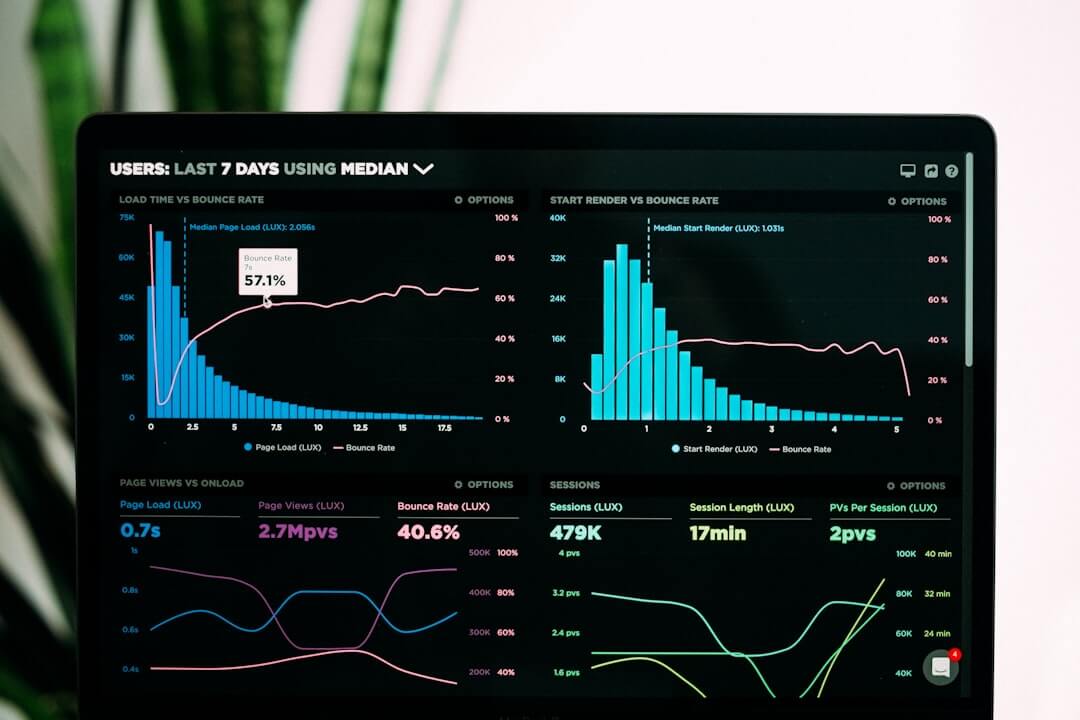 Measurement should focus on outcomes you can observe. Because no reliable quantified ROI benchmark was found in the gathered research, the sensible approach is to track several signals rather than pretending one metric tells the whole story.
Outerbox explicitly warns that syndication links should not be treated as guaranteed ranking authority. That means success is better judged through visibility lift, coverage, referral traffic, indexed pages, branded queries, and assisted conversions.
| Metric | Why it matters | Where to check |
|---|---|---|
| Indexed newsroom page | Confirms search engines found the release | Google Search Console |
| Referral traffic | Shows visits from pickups and mentions | GA4 |
| Branded search growth | Indicates awareness and recall | Search Console, Google Trends |
| Earned mentions | Shows pickup beyond syndication | Media monitoring tools |
| Assisted conversions | Connects PR visibility to pipeline | GA4, CRM |
| Citation consistency | Supports local and entity trust | Manual checks, local tools |
The best question is not “did I get a backlink” but “did this create discoverable evidence of my brand”. That evidence can influence future searches, media trust, and AI summarisation even when direct ranking movement is modest.
For a stronger reporting setup, pair release tracking with the measurement habits covered in the BrandPush blog’s guidance on judging distribution results realistically. The internet rarely hands out neat cause-and-effect charts, which is rude but normal.
What mistakes make press releases useless for SEO?
 Most failed releases are not punished by Google. They are simply ignored by everyone, which is somehow more efficient.
The common mistake is treating the release as a link delivery mechanism instead of a news asset. That usually leads to over-optimised anchor text, weak story angles, and pages that exist only to satisfy an internal KPI no customer has ever heard of.
- Stuffing keywords into every line
- Linking to too many pages or irrelevant pages
- Announcing non-news as if it were national history
Another mistake is expecting instant ranking lifts. Press releases usually support SEO through a chain of events, including discovery, mentions, coverage, and branded searches, so the impact is often delayed rather than dramatic.
A further trap is choosing reach without relevance. A smaller but credible pickup in your niche can be more valuable than broad distribution with no follow-on attention.
If you want a pre-flight check, BrandPush also publishes a helpful list of common press release mistakes to avoid. It is cheaper to fix the copy before distribution than to explain the results afterwards 😌
When should a brand use a press release for SEO?
 Timing matters more than frequency. Use a press release when you have a genuinely publishable update and a clear reason that update should exist on your site, in the media, and in search results.
This tends to work best around launches, funding news, expansion, partnerships, original research, or milestone announcements. In other words, use it when there is something to say, not when someone in marketing remembers the quarterly target.
- Before a launch, to build awareness and index a news page
- During a campaign, to support outreach and branded search demand
- After a milestone, to create permanent proof of traction
A release is especially useful when it fits a wider content system. That system might include a newsroom post, founder quotes, supporting blog content, linked landing pages, and outreach to relevant journalists or creators.
If you want the release to do more than appear briefly and vanish, give it supporting assets. A stat, chart, quote, product image, or customer result can turn a bland announcement into something other people can actually use.
A practical workflow is simple. Draft the release, publish an owned version, distribute it through a service such as BrandPush, track indexation and referrals, then follow up with targeted outreach to relevant publications.
The real value of a press release for SEO is cumulative. One release may not move the earth, but repeated credible announcements can build a stronger web footprint, more branded demand, and better odds of being recognised across search and AI systems.
That is why smart teams treat releases as part of digital PR infrastructure, not as vending machines for backlinks. Used properly, they help create the kind of evidence the modern web likes to quote, and BrandPush can help distribute that evidence when the story is ready.
Frequently Asked Questions
Does a press release help SEO directly?
Not usually in a strong direct way. Most SEO value comes indirectly through owned content, earned media, citations, referral traffic, and branded search demand.
Are press release backlinks good for rankings?
They can help in some cases, but they should not be treated as guaranteed ranking authority. Outerbox specifically notes that syndication links are not a reliable shortcut to better rankings.
What is the best keyword strategy for a press release for SEO?
Use one primary keyword naturally in the headline, intro, and body, then support it with closely related terms. The release still needs to read like news, not like a search term storage unit.
How long does it take for a press release to affect SEO?
Indexation can happen quickly, but broader SEO effects often take days to weeks depending on pickup, crawls, and follow-on coverage. Indirect benefits such as branded search growth can take longer.
What makes a press release newsworthy?
A release is newsworthy when it contains a specific update with clear relevance, such as funding, a launch, data, expansion, or a measurable milestone. If the main fact sounds thin when spoken aloud, it probably is.
Should small businesses use press releases for SEO?
Yes, if they have a real announcement and a clear objective. For small businesses, the strongest benefits often come from credibility, citations, and discoverability rather than raw link volume.
How many links should a press release include?
Usually one or two relevant links is enough. Too many links can dilute focus and make the release look promotional rather than informative.
Is a press release still useful in the age of AI search?
Yes, arguably more so when written clearly. In 2026, strategy is increasingly discussed through SEO, AEO, and GEO together, which makes structured, factual brand announcements more useful for discoverability.