How to Get Featured on Business Insider in 2026
Quick answer: Getting featured on Business Insider usually starts with a genuinely newsworthy angle, clean supporting assets, and a distribution or outreach plan that matches the story. It is not bought in the casual sense people imagine, and it is rarely the result of sending a dull company update into the void. In July 2026, Business Insider recorded 40.53 million visits according to Semrush, which helps explain why brands chase the placement so enthusiastically.Semrush
What does it actually mean to get featured on Business Insider?
 A Business Insider feature is a visibility event, not a magic trick. It usually means your company, founder, data, launch, funding round, partnership, research, or expert commentary appears on a Business Insider page through editorial coverage, syndicated content, or a news distribution pathway.
Not every appearance works the same way. Some mentions come from direct journalist interest, while others can result from a press release distributed to networks that place stories across major outlets, which is far less glamorous than people on LinkedIn make it sound.
- Editorial feature: a journalist chooses your story because it is timely and relevant
- Contributed expert angle: your viewpoint supports a broader news story
- Syndicated announcement: your press release is published through a distribution network
Why is Business Insider still worth pursuing in 2026?
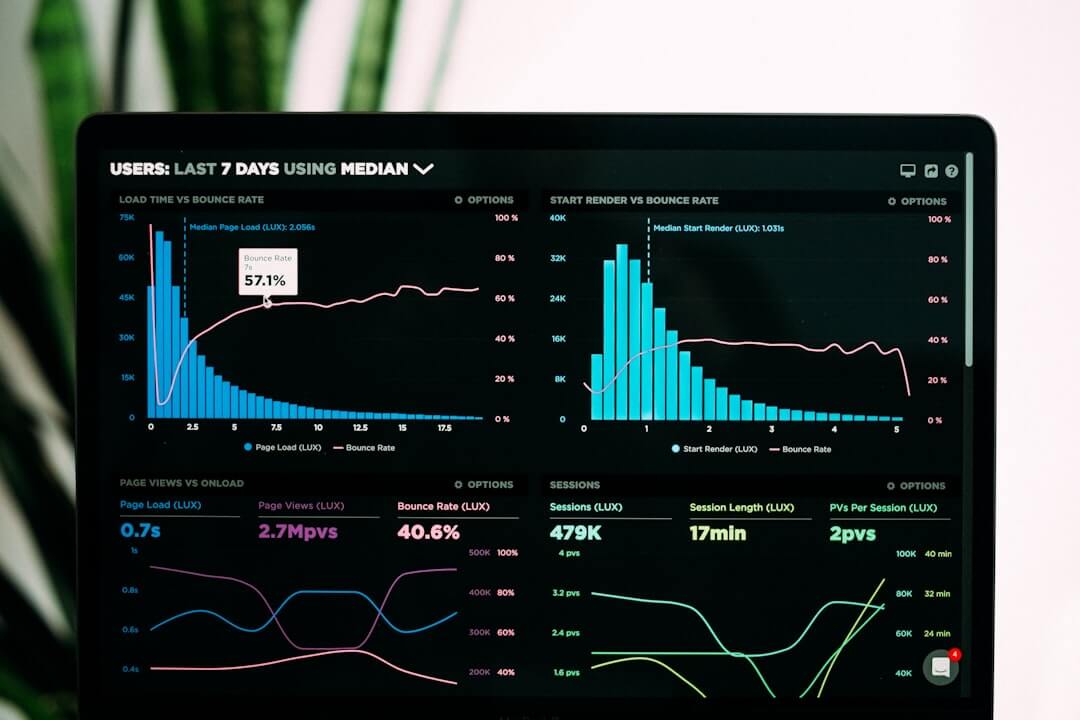
 Reach still matters when the publication is this visible. Semrush reported 40.53M visits for businessinsider.com in July 2026, with an average session duration of 04:52, which suggests readers do more than bounce in, squint, and leave.Semrush
Traffic shifts do not cancel influence. Similarweb’s July 2026 snapshot showed Business Insider traffic was down 12.86% month on month, but that still leaves a very large audience and a recognisable masthead that can strengthen trust, search visibility, and conversion paths.Similarweb
| Metric | Business Insider | Why it matters |
|---|---|---|
| Monthly visits | 40.53M | Signals broad audience reach |
| Avg. session duration | 04:52 | Suggests readers engage with content |
| MoM traffic change | -12.86% | Shows reach fluctuates, but scale remains strong |
Big-name publication logos influence perception faster than most homepage copy. They can help with investor decks, sales conversations, recruitment, and branded search behaviour, which is why founders become oddly poetic the moment coverage lands 😏
Step 1: Choose a story angle that sounds like news, not self-congratulation
 Newsworthiness is the gatekeeper. Business Insider is more likely to care about what changed in the market, what your data reveals, what your company is launching, or why your founder has credible insight into a wider trend.
Routine updates rarely travel well. A new logo, a slightly nicer website, or a vague claim about growth are not stories unless they connect to a bigger issue the audience already cares about.
- Use timeliness: tie your story to a current trend, regulation, market shift, or seasonal moment
- Use evidence: bring numbers, original data, customer trends, or credible proof points
- Use stakes: explain why the development matters for readers beyond your company walls
The easiest test is painfully simple. Ask whether an informed stranger would share the story with a colleague without being paid in coffee.
Step 2: Build a press release that is easy to publish and easy to trust
 A publishable release reduces friction. Journalists and distribution editors need a clear headline, a sharp opening paragraph, verified company details, and supporting assets that do not feel assembled during a mild panic.
Clarity beats hype every time. If your release sounds like it was written by a committee trying to impress a toaster, it will not help you.
A strong structure usually includes:
- Headline that states the news plainly
- Lead paragraph with who, what, when, where, and why it matters
- Body copy with facts, context, and one or two useful quotes
- Boilerplate explaining what your company does in normal human language
Strong formatting is not optional. If you need help tightening the copy, BrandPush has a useful press release writing guide and a practical headline guide that can save you from writing “leading innovator” for the thousandth time.
Step 3: Match the distribution method to the type of coverage you want
 Different goals need different routes. If you want broad visibility for a legitimate announcement, distribution can be efficient; if you want a bespoke reported feature, direct media pitching and expert positioning often matter more.
This is where expectations need adult supervision. Distribution can help your story reach major outlets, but it does not force a journalist to adore your seed round or your new dashboard colour palette.
| Goal | Best-fit approach | What to expect |
|---|---|---|
| Announce launch, funding, hiring, study | Press release distribution | Fast visibility and potential pickup |
| Comment on breaking news | Targeted journalist outreach | Better odds of quoted expertise |
| Build long-term profile | Ongoing digital PR | Repeated mentions over time |
| Support search visibility | Optimised release plus onsite content | More branded discovery opportunities |
Budget also shapes the route. Public pricing in 2026 shows a wide spread across legacy providers, from $149 per release at the low end in one provider’s PDF to roughly $940+ for national distribution on another platform, with some services adding fees for length or extras.EIN Presswire PDF 2026 pricing guide
A done-for-you option can save time if you already have a valid story. BrandPush is useful when you want a straightforward route to distribution and media visibility without turning the process into a second job.
Step 4: Prepare the assets editors look for before they ask
 Good assets make your story easier to run. That means a founder headshot, company logo, product screenshots, short company description, website link, and proof behind your claims should be ready before distribution begins.
Missing assets create avoidable delays. Editors are far more likely to move on than wait while you hunt through old Dropbox folders named things like final-final-v3-actual-final.
- Founder bio with relevant credentials
- High-resolution logo and 1-2 clean images
- Product or platform screenshots if relevant
- Data source notes or methodology for any study claims
- Working website and clear contact details
Your website matters more than many founders think. If the landing page linked from the release looks unfinished, confusing, or suspicious, the placement may still happen but the commercial value drops sharply.
Step 5: Time your release properly and give it a follow-up life
 Timing affects pickup. Releases tied to real events, product availability, reports, hiring milestones, funding announcements, or market shifts tend to perform better than random Tuesday optimism.
One publish date is not a complete strategy. The strongest campaigns reuse the angle through email outreach, social proof on site, founder content, sales collateral, and follow-up commentary for journalists.
A sensible post-publication checklist:
- Add the feature or publication logo to relevant pages.
- Share the story on LinkedIn and in email sequences.
- Build a short blog post or newsroom page that expands the context.
- Track referral traffic, branded search lifts, and lead quality.
Distribution is the start, not the finish. If your release lands and you do nothing with it, that is a bit like buying a billboard and then parking a tree in front of it 🌳
What mistakes stop brands getting featured on Business Insider?
 Most failures are boringly predictable. The story is weak, the copy is overhyped, the company site looks untrustworthy, or the team expects guaranteed editorial love from a non-story.
The good news is that these problems are fixable. The bad news is that people keep making them with impressive consistency.
- Treating an advert as if it were news
- Using vague claims without numbers or proof
- Writing headlines full of fluff instead of facts
- Launching without a usable website or media assets
- Expecting one release to create permanent fame
- Ignoring follow-up distribution and reuse
A realistic process beats wishful thinking. If you want a cleaner launch, it is worth reviewing common errors before publishing, including the usual headline, formatting, and credibility issues that quietly kill results.
Getting featured on Business Insider is rarely about gaming the system. It is about bringing a real story, making it easy to publish, and choosing a sensible distribution path that fits your goal. If you want help turning a publishable announcement into broad visibility, BrandPush can streamline the process without the usual PR theatre.
Frequently Asked Questions
Can you pay Business Insider directly to feature your company?
Not in the simple way many people assume. Editorial coverage depends on news value, while some appearances can happen through legitimate distribution channels that syndicate press releases to publisher networks.
Does a press release guarantee a Business Insider placement?
No. A press release improves your chances of visibility, but it does not guarantee editorial pickup or a specific story treatment.
What kind of stories are most likely to get featured on Business Insider?
Funding news, market data, research, major launches, executive moves, partnerships, and timely expert commentary tend to be more publishable. The common thread is that the story matters beyond your own company.
How much does it cost to try to get featured on Business Insider?
Costs vary widely depending on whether you use direct outreach, an agency, or a distribution service. Public 2026 pricing examples across the market range from $149 per release at the lower end to around $940+ for some national distribution options, often with added fees.
Is Business Insider coverage good for SEO?
It can support visibility, branded search, and trust signals, especially when the coverage is part of a broader digital PR strategy. It should not be treated as a guaranteed backlink or ranking shortcut.
How long does it take to get featured on Business Insider?
If your route is syndication through distribution, publication can happen quickly once approved. If you are chasing original editorial coverage, timelines are less predictable and depend on the story, timing, and newsroom priorities.
Do small businesses have a realistic chance of getting featured?
Yes, if the angle is genuinely newsworthy and well presented. Small businesses often win coverage when they bring strong data, a sharp niche story, or timely insight rather than generic “we are pleased to announce” copy.
What should I prepare before sending a press release?
Have your headline, summary, quote, boilerplate, website, contact details, and media assets ready. If you cite research or growth numbers, keep the evidence organised so claims can be checked quickly.