How to Get Featured on Business Insider in 2026: A Smarter PR Strategy That Actually Improves Your Odds
Quick answer: To get featured on Business Insider, you need a story that looks like news, not marketing, backed by clear proof and packaged in a format editors can assess quickly. The strongest routes are timely reporting, credible data, executive news, funding updates, product launches with substance, and strategic press release distribution that increases visibility across relevant outlets.
Why Business Insider Still Matters for Brand Visibility
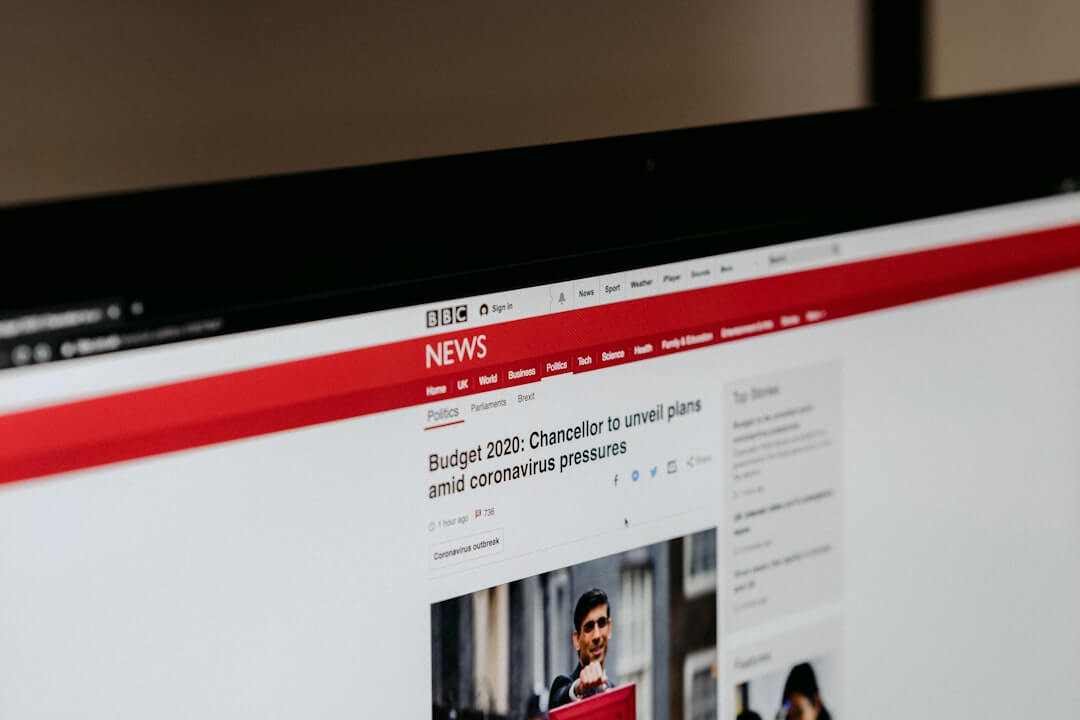 Business Insider still carries serious visibility weight. Reported access to 148+ million global readers makes it one of the few business publications that can move both awareness and credibility at the same time.
Audience quality matters as much as audience size. Business Insider is widely read by professionals, founders, operators, and decision-makers, which makes it especially useful for B2B announcements, funding stories, leadership updates, and launches aimed at buyers with actual budgets.
- Reported reach of 148+ million global readers
- Strong fit for business, finance, startup, and executive news
- Long-tail value because digital coverage remains searchable and discoverable over time
Visibility is not the same as vanity. One source cited a 73% increase in brand visibility from features, which is best treated as directional rather than universal, but it does underline the broader point that the right coverage can travel well across search, social, and AI summaries.
What Kind of Stories Get Featured on Business Insider?
 Business Insider tends to reward substance over adjectives. If your announcement can be reduced to “we’re thrilled to announce”, you may have written a LinkedIn post wearing a tie.
Editors look for relevance, proof, and timing. The strongest stories usually connect a company update to a wider business trend, market shift, customer problem, or data point that makes the piece useful to readers.
- Funding rounds and investor news
- Product launches with market context or traction
- Executive appointments with strategic significance
- Proprietary data, surveys, or trend insights
- Partnerships, expansion, or milestone announcements with numbers
A good test is whether a stranger would care. If the story affects customers, investors, hiring, pricing, regulation, growth, or a market trend, it has a better chance than a generic brand milestone.
| Story type | Why it works | What proof helps |
|---|---|---|
| Funding news | Signals momentum and external validation | Round size, investors, use of funds |
| Product launch | Creates a fresh reason to cover the company | Problem solved, user numbers, launch date |
| Executive move | Matters when leadership affects strategy | Bio, remit, company direction |
| Research or data | Gives journalists something useful to cite | Methodology, sample size, findings |
| Expansion news | Shows growth and business intent | Markets entered, hiring, revenue context |
How to Build a Pitchable Angle Before You Write Anything
 The angle comes before the press release. Too many brands write the announcement first and discover too late that nobody outside the company can stay awake through paragraph two.
Start with the question an editor would ask. Why now, why this, and why should our readers care if they have never heard of your company before?
A simple framework helps:
- What happened? State the concrete event in one line.
- Why does it matter? Tie it to a business outcome, customer need, or market change.
- What proves it? Add data, traction, customers, funding, or timing.
- Why now? Give urgency through a launch, trend, or industry shift.
Specificity beats hype every time. “AI platform launches new workflow tool” is fog, while “SaaS platform cuts onboarding time by 42% across 1,200 customer accounts” is at least something a busy editor can interrogate.
Your supporting proof should be painfully clear. Useful proof includes customer numbers, adoption rates, revenue milestones, waitlists, survey findings, partnerships, founder credentials, or market timing backed by cited sources 🙂
How Press Release Distribution Helps You Get Featured on Business Insider
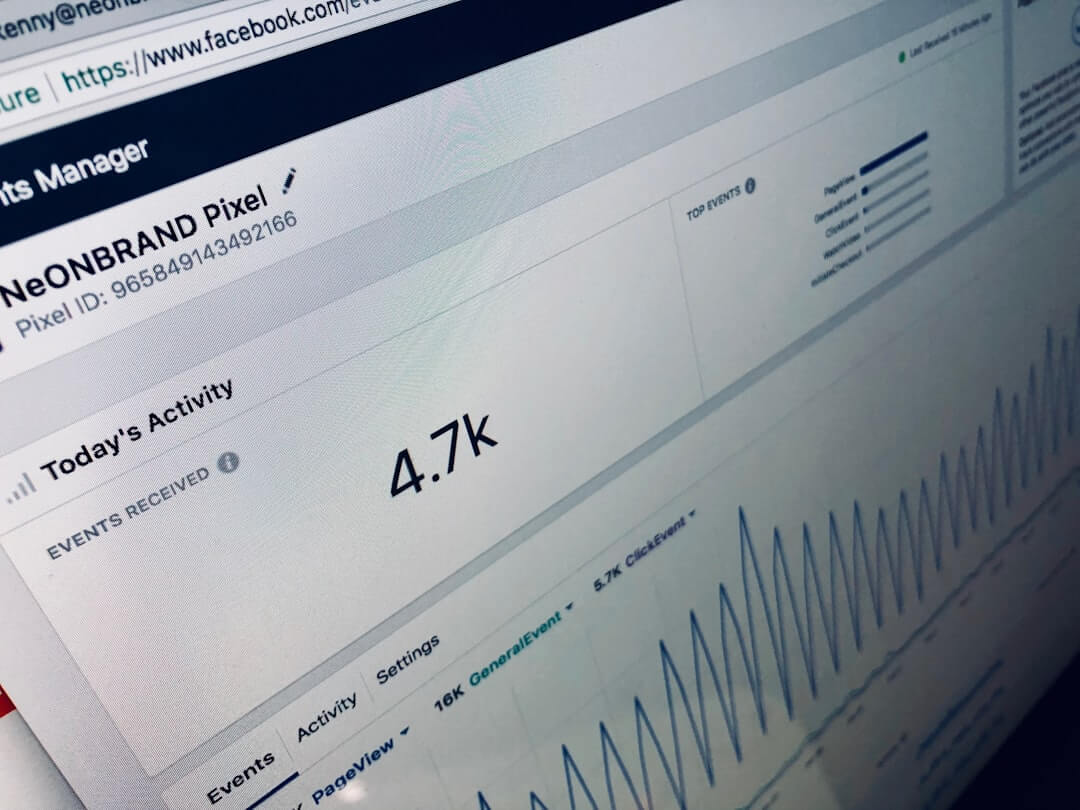 Distribution improves discoverability, not destiny. It does not guarantee editorial love, but it does put your announcement into the systems, feeds, and publication pathways that can increase the odds of being picked up or surfaced.
This matters because editors and syndication ecosystems do not operate in a vacuum. A professionally structured release can help your story appear across business news environments, remain searchable, and build the legitimacy signals that support broader media visibility.
For brands that want a done-for-you route, BrandPush can help distribute a strong release to major outlets and business publications, which is useful when the goal is visibility, credibility, and searchable coverage without spending months chasing inboxes.
- Better chance of wider announcement visibility
- Searchable coverage that supports brand discovery
- Cleaner formatting and editorial structure than improvised DIY releases
A distributed release is strongest when the news is already solid. It works best for launches, funding, milestones, partnerships, and executive announcements that have a clear business hook rather than a desperate need for one.
It also helps with second-order effects. Search visibility, AI citation potential, investor due diligence, and customer trust often improve when your brand has credible coverage trails across recognised publications.
What Your Press Release Needs to Include to Be Taken Seriously
 The format should make decisions easy. Editors and publication systems both respond better when the release is structured cleanly, says something concrete fast, and does not bury the news under corporate perfume.
A strong release is factual, specific, and front-loaded. The headline, subheading, and first paragraph should explain the announcement, the audience relevance, and the evidence without making readers excavate for meaning.
Include these essentials:
- A headline with the actual news, not vague branding language
- A first paragraph covering who, what, when, where, and why it matters
- One or two credible quotes, ideally from a founder or executive with a point of view
- Supporting proof such as customer numbers, investment data, survey results, or launch details
- A concise boilerplate with company context and website link
Bad quotes are a public service announcement in favour of editing. If your spokesperson says they are “thrilled”, “excited”, and “committed to innovation” in one sentence, the copy should be escorted off the premises.
If you need help with structure, use a proper template. BrandPush offers a useful press release writing guide and free press release templates that make the document far less likely to read like internal comms.
What to Expect After Distribution or Outreach
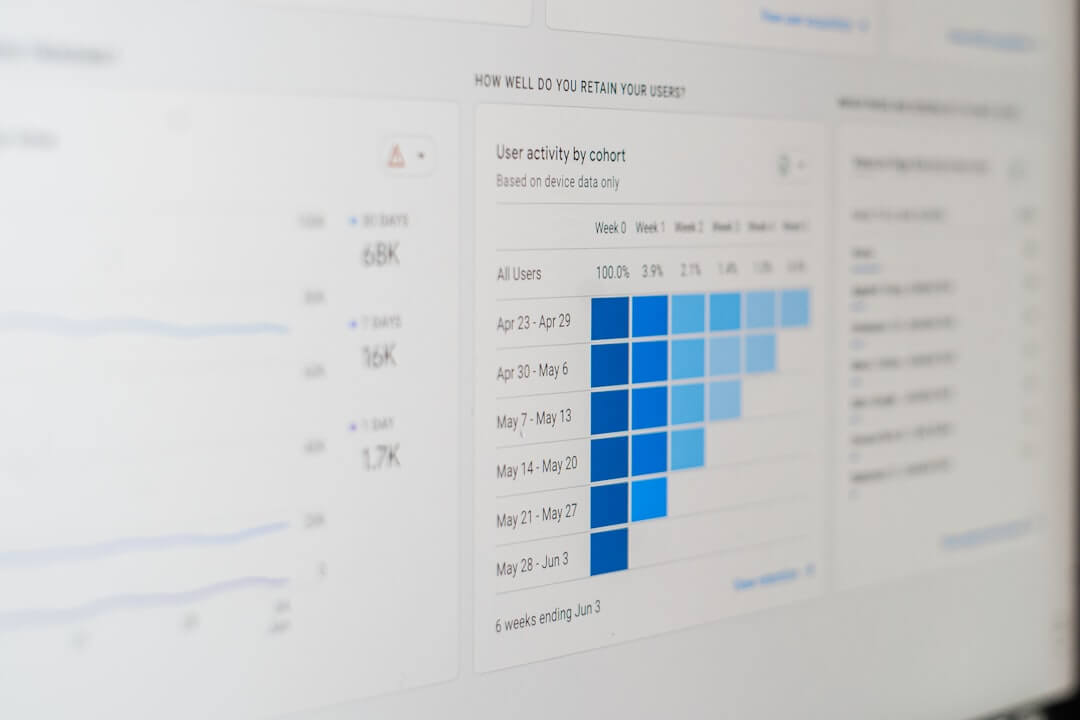 Coverage can be immediate, delayed, or gloriously uneven. Some placements happen quickly, while editorial pickup can depend on timing, newsroom priorities, and whether your story connects to something bigger than your company calendar.
The useful mindset is to think in layers. First comes the release itself, then syndication or publication visibility, then secondary discovery through search, AI tools, social sharing, prospect research, and investor checks.
| Stage | What happens | Typical value |
|---|---|---|
| Release published | Your announcement goes live | Baseline visibility and credibility |
| Wider pickup | More sites surface the story | Broader reach and brand mentions |
| Search discovery | Users find the story later | Long-tail awareness |
| AI and research references | Content may inform summaries | Indirect authority signals |
| Sales and trust effects | Prospects see real coverage | Improved confidence |
Not every result shows up in analytics on day one. Some of the best outcomes appear later when a buyer, journalist, investor, or partner searches your company and finds a tidy trail of coverage instead of a digital shrug.
Common Mistakes That Kill Your Chances
 Most failed pitches are not unlucky. They are either not newsworthy, not evidenced, badly timed, or written as if the reader owes the brand a favour.
The fix is usually less glamour and more discipline. Strong media outcomes come from clarity, relevance, and proof, which is annoying because those things require effort.
- Announcing something with no wider relevance
- Using inflated claims with no evidence
- Sending a release with a weak headline and vague first paragraph
- Targeting the wrong moment, such as a major holiday or crowded news cycle
- Confusing “our company is growing” with “this is interesting to the public”
Another common mistake is choosing the wrong asset for the job. If the story has no news peg, you may need a data-led content piece, founder commentary, or trend insight instead of a release.
Consistency also matters. Brands that regularly publish credible news and thought-out updates are easier for publications to trust than brands that appear once a year shouting about a logo refresh 🎯
A practical starting point is to study broader media strategy, not just one outlet. This related guide on how to get featured in publications is useful if your aim is sustained visibility rather than one lucky hit.
The bottom line is simple. If you want to get featured on Business Insider, build a story with a real business angle, support it with proof, and distribute it in a professional format that improves discoverability. BrandPush can help with that process when you have genuine news and want a cleaner path to broader media visibility.
Frequently Asked Questions
Can you submit a press release to Business Insider?
Yes, brands can pursue visibility that leads to Business Insider coverage through professional distribution and strong editorial positioning. The key is having actual news and a release that is written for readers, not just stakeholders.
What kind of company announcements fit Business Insider best?
Funding, product launches, executive appointments, partnerships, expansion news, and proprietary research are usually the strongest fits. The common thread is that the story has a clear business implication and supporting evidence.
Is a press release enough to get featured on Business Insider?
No, a press release alone is not a guarantee. It improves discoverability and professionalism, but the underlying story still needs relevance, timing, and proof.
Why does Business Insider matter for SEO and visibility?
Business Insider has reported access to 148+ million global readers, and digital coverage can remain searchable for the long term. That combination can support brand discovery, trust, and broader visibility across search and AI tools.
How long does it take to see results from press release distribution?
Initial publication can happen quickly, depending on the service and approval process. The wider value often builds over weeks or months as coverage is discovered through search, prospect research, and secondary mentions.
What makes a press release more likely to be taken seriously?
A clear headline, a factual first paragraph, credible quotes, and evidence such as customer numbers or funding details all help. Vague claims and over-polished corporate language usually have the opposite effect.
Should startups try to get featured on Business Insider?
Yes, if they have a genuine news angle such as funding, traction, a meaningful launch, or original data. Startups without a real hook are usually better off improving the story first rather than blasting a weak announcement.
Does distribution help if you do not have journalist contacts?
Yes, distribution can help brands gain visibility without relying entirely on direct relationships. It will not rescue a poor story, but it does create more pathways for discovery and pickup.