SEO Backlinks in 2026: What They Are, Why Most Pages Have None, and How to Earn Them Safely
Quick answer: SEO backlinks are links from other websites to your pages, and they still matter because they help search engines assess authority, trust, and relevance. The problem is that most pages never earn many at all, with 95% of pages having zero backlinks according to SE Ranking’s 2026 statistics citing Backlinko. That makes sensible link earning less glamorous than the internet promised, but much more useful.
What are SEO backlinks, exactly?
 SEO backlinks are third-party links that point to your site. Search engines use them as one of many signals to understand whether your content deserves visibility.
Not all backlinks do the same job. A contextual mention from a relevant publication is usually more useful than a random directory link that looks like it was assembled during a tea break in 2009.
- Followed links can pass ranking signals
- Nofollow links may still support discovery, trust, and referral traffic
- Relevant editorial links usually beat bulk low-context links
Why do backlinks still matter in 2026?
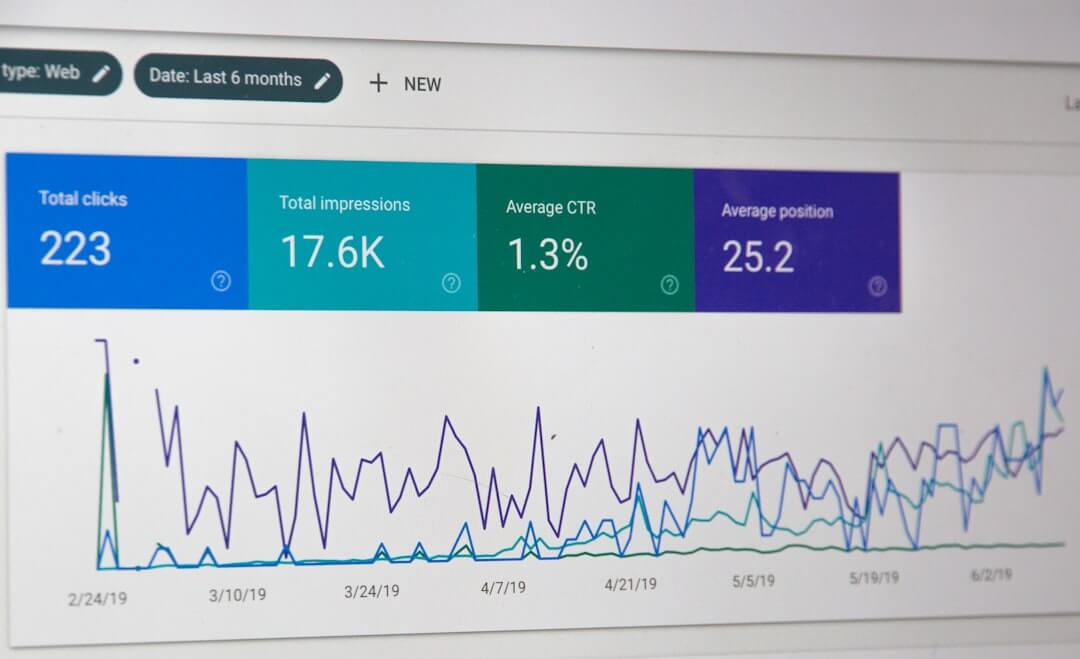 Backlinks still matter because authority still matters. Ahrefs reports that most top-ranking pages gain followed backlinks from new websites at a pace of +5% to +14.5% per month, which shows that strong pages tend to keep attracting links over time.
Search visibility is rarely built on one signal alone. Backlinks work alongside content quality, internal linking, technical health, and search intent, which is less exciting than a magic trick but rather more profitable. 🙂
| Metric | What it suggests |
|---|---|
| 95% of pages have zero backlinks | Most content never earns meaningful off-page authority |
| +5% to +14.5% monthly followed link growth | Top pages often keep gaining links steadily |
| 63% of backlinks point to homepages | Deep pages often need deliberate promotion |
| ~30% of backlinks are medium or high toxicity | Quality control matters as much as quantity |
The homepage absorbs most of the attention. SE Ranking reports that 63% of backlinks point to homepages, while only 37% go to other pages, so product pages, tools, guides, and category pages often need a proper promotion plan rather than crossed fingers.
Why do most pages fail to earn SEO backlinks?
 Most pages fail because they offer nothing worth citing. If a page says the same thing as twenty others, journalists, bloggers, and site owners have no reason to link to it.
Distribution is another weak point. Great content that nobody sees is still invisible, which is annoyingly unfair and completely normal.
- No original data, opinion, or useful asset
- Weak headlines and vague page positioning
- Promotion that starts and ends with publishing
- Pages built for keywords but not for citations
There is also a quality trap. SE Ranking says 3 out of every 10 backlinks are medium or high toxicity, so chasing volume without standards can leave a site with a messy link profile and very little to show for it.
What makes a backlink valuable rather than merely present?
 A valuable backlink is relevant, editorial, and placed where readers might actually click it. That usually means the linking page has a real audience, a clear topic, and a sensible reason to mention your brand or resource.
Context beats gimmicks. A link inside a useful article on a related subject is typically stronger than a sitewide footer link, a spun guest post, or a mystery placement from a website that appears to cover finance, pets, and UFOs in equal measure.
- Relevance: the linking page matches your topic or audience
- Editorial intent: the link was included because it adds value
- Placement: in-body links often carry more meaning than boilerplate areas
- Destination: links to useful deep pages can support specific rankings
Reciprocal linking is common, but that does not make it harmless. Ahrefs reports that 73.6% of domains have reciprocal links, which means some two-way linking is natural, but deliberate swapping at scale still looks suspicious when it becomes the entire strategy.
How can brands earn SEO backlinks safely?
 The safest backlink strategy is to earn attention, not manufacture it. That means creating link-worthy assets and promoting them through digital PR, expert commentary, original data, newsworthy updates, and useful resources.
You need a repeatable framework rather than random acts of outreach. The following process tends to work better than buying a suspicious spreadsheet from somebody called Darren on a forum.
- Choose a page worth promoting. Pick a homepage, category page, original study, tool, or guide with a clear search purpose.
- Add something citeable. Include fresh data, a strong opinion, a practical framework, or a downloadable asset.
- Create a news or insight angle. Journalists and publishers respond to relevance, timing, and clarity.
- Distribute it properly. Use outreach, owned channels, and press release support where the angle is genuinely newsworthy.
- Track link quality. Measure referring domains, page destinations, anchor diversity, and relevance.
Press releases can help when they are used as promotion, not fantasy SEO. If you have a genuine announcement, a service like BrandPush can help put that story in front of publications and increase the odds of visibility, branded search lift, and secondary editorial pickup.
Where do press releases fit into an SEO backlinks strategy?
 Press releases support backlinks indirectly, not magically. Their best use is to distribute a real announcement that can trigger coverage, mentions, discovery, and natural links from other sites that notice the story.
This is a visibility tool, not a loophole. If your release has no real angle, no interesting claim, and no useful landing page, it will behave exactly like dull corporate wallpaper.
- Product launches with a clear market angle
- Funding, hiring, expansion, or milestone announcements
- Original research with a simple headline statistic
- Partnerships or reports tied to a timely trend
The key is what happens after distribution. A strong release should point readers to a page that deserves links, and if you need help shaping the story, BrandPush also offers a useful press release writing guide.
Which pages should you build backlinks to?
 Not every backlink should go to your homepage. Since 63% of backlinks already point to homepages, there is often more strategic value in earning links to commercial guides, research pages, tools, or other assets that support specific rankings.
Deep-page links usually need stronger intent. People rarely link to an ordinary service page unless it contains something unusually useful, timely, or well-argued.
| Page type | Best use for backlinks | Common mistake |
|---|---|---|
| Homepage | Brand authority and trust | Sending every campaign here by default |
| Research page | Data citations and media references | Hiding the best statistic halfway down |
| Guide or resource | Informational keyword growth | Writing generic advice with nothing new |
| Tool or calculator | Repeat citations and utility links | Launching it without promotion |
| Product or service page | Commercial support | Expecting links without evidence or assets |
A mixed destination profile looks healthier and works harder. It also helps spread authority across the site instead of asking your homepage to do all the lifting like an exhausted intern.
What should you avoid when building SEO backlinks?
 Bad backlinks are easy to buy and hard to justify. If a tactic promises hundreds of links overnight, it is usually selling volume, not value.
Risk tends to arrive disguised as efficiency. Low-quality placements can waste budget, muddy your link profile, and distract from assets that might actually earn credible mentions.
- Bulk directory submissions with no editorial value
- Paid placements on irrelevant sites built for link selling
- Link swaps at scale with obvious patterns
- Exact-match anchor text everywhere
- Thin content created only to host links
The numbers make caution sensible. With around 30% of backlinks classified as medium or high toxicity in SE Ranking’s 2026 statistics, quality review is not optional if you care about long-term search performance.
A simple rule helps. If you would be embarrassed to show the linking page to a customer, a journalist, or your future self, leave it alone. 😌
Backlinks are still one of the clearest external signals of authority, but they are scarce, unevenly distributed, and often misunderstood. The safest route is to build link-worthy pages, promote them with real stories, and treat press releases as visibility support rather than an SEO cheat code.
If you have a genuine announcement and want broader reach, BrandPush can help turn that moment into distribution that supports discoverability, branded search, and the possibility of earned links from real coverage.
Frequently Asked Questions
Do SEO backlinks still matter in 2026?
Yes. They remain an important off-page signal, especially when they come from relevant, editorial sources and support strong content on your site.
How many backlinks does a page need to rank?
There is no fixed number. Some low-competition topics rank with few links, while tougher searches need stronger authority, better content, and more referring domains.
Are press release backlinks good for SEO?
They can be useful indirectly. The main value usually comes from visibility, brand discovery, and secondary editorial pickup rather than from expecting one release to transform rankings on its own.
What is a toxic backlink?
A toxic backlink is a link that appears manipulative, spammy, irrelevant, or part of a low-quality linking pattern. Toxicity tools are directional rather than perfect, but they are useful for spotting obvious rubbish.
Should backlinks point only to the homepage?
No. Homepages already attract most links, and deep pages often need them more to support specific keyword targets and content performance.
Are reciprocal links always bad?
No. Ahrefs reports that 73.6% of domains have reciprocal links, so some two-way linking happens naturally, but deliberate swapping at scale is risky and usually unconvincing.
How do I get backlinks without buying them?
Create something worth citing, then promote it. Original data, expert commentary, tools, strong guides, and genuinely newsworthy announcements all improve your odds.
What is the difference between a followed and nofollow backlink?
A followed backlink can pass ranking signals, while a nofollow link usually tells search engines not to treat it the same way. Nofollow links can still drive traffic, awareness, and future earned links.
Why do most pages have zero backlinks?
Usually because they are not promoted, not distinctive, or not citeable. Publishing content is easy, but earning attention from other sites is a separate job entirely.
Can a small business build SEO backlinks realistically?
Yes. Small businesses often do well with local data, expert quotes, practical resources, partnerships, and press release-led visibility when there is a real story to tell.