What Are SEO Backlinks and Which Ones Actually Help Rankings?
Quick answer: SEO backlinks are links from one website to another, and search engines use them as signals of trust, relevance, and authority. Multiple SEO sources, including Moz, Semrush, Mailchimp, and Seobility, describe backlinks as ranking factors or votes of confidence. The useful ones are usually relevant, reputable, natural, and editorially placed, which is less glamorous than buying 5,000 links before lunch.
What are SEO backlinks?
 SEO backlinks are external links from another domain pointing to your site. They sit within off-page SEO because they come from outside your own website.
Search engines treat backlinks as signals of credibility. Moz describes them as “votes of confidence”, while Semrush and Mailchimp also frame them as indicators of authority and trust.
- A backlink connects another website to one of your pages
- It can help with discoverability, rankings, and referral traffic
- Its value depends on quality, not just raw volume
Why do backlinks matter for search visibility?
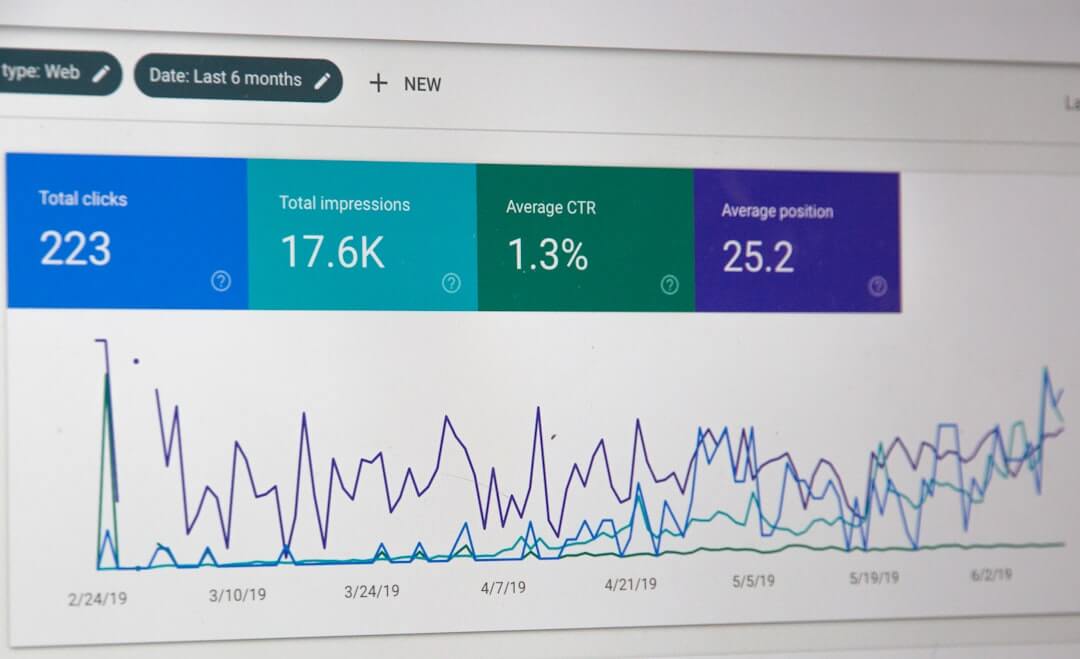 Backlinks matter because they help search engines assess whether a page deserves attention. According to Moz, backlinks remain a ranking factor, and Semrush notes they can improve visibility in search results and send referral traffic.
Not every backlink moves the needle equally. A relevant mention from a respected publication or niche site usually carries more weight than dozens of links from irrelevant pages that look like they were built by a sleep-deprived bot 🤖
Backlinks also support authority signals tied to E-E-A-T. Moz specifically connects strong links with broader trust and expertise signals, which matters when your content competes in crowded search results.
| Backlink benefit | What it can influence |
|---|---|
| Authority signal | How trustworthy a page appears |
| Relevance signal | Whether a page fits a topic area |
| Discovery path | How crawlers find pages |
| Referral traffic | Visits from people clicking the link |
What makes an SEO backlink high quality?
 A high-quality backlink is usually relevant, reputable, and naturally placed. That description shows up consistently across the research sources, including guidance from Seobility and supporting characteristics cited in the provided backlink references.
Context matters more than backlink theatre. A link inside useful editorial content on a trusted site is generally stronger than a random footer link on a page no human would willingly read.
- Relevance: the linking page matches your topic or industry
- Reputation: the site has credibility and publishes real content
- Placement: the link appears naturally within the body copy
- Anchor text: the wording feels descriptive, not forced
- Follow status: follow links can pass stronger SEO value signals
Natural anchor text is part of the quality test. Over-optimised anchors can look manipulative, while clear branded or descriptive anchors tend to feel more editorially normal.
Which backlinks are worth less than people hope?
 Some backlinks exist mainly to impress spreadsheets. They may increase link counts, but they often do little for authority, rankings, or actual traffic.
Low-quality links usually share obvious warning signs. They come from irrelevant domains, thin pages, suspicious directories, or networks built for SEO rather than readers.
- Links on pages with no topical connection to your site
- Links buried in link farms, scraped pages, or spam directories
- Anchors stuffed with exact-match keywords at every opportunity
- Paid placements with no editorial judgement behind them
- Sitewide links that appear across hundreds of low-value pages
This is where many backlink strategies go slightly feral. If the link would look odd to a journalist, editor, or normal reader, it probably deserves suspicion.
How should brands build SEO backlinks safely?
 The safest backlink strategy is to earn links through content, PR, partnerships, and useful resources. That means creating something worth citing, then making it easier for the right people to find it.
Digital PR is one of the cleaner ways to do this. Brand mentions, media coverage, and expert commentary can lead to backlinks naturally, especially when your story has evidence, timing, and a page worth linking to.
- Publish linkable assets. Create original research, data pages, tools, guides, or genuinely useful resources.
- Match pages to intent. Make sure the page being linked to helps the reader complete the next step.
- Promote the story. Use outreach, founder commentary, and distribution to put the content in front of publishers.
- Support with PR. A service like BrandPush can help distribute newsworthy announcements and improve visibility that may lead to mentions, referral traffic, and earned links.
- Track outcomes. Measure referring domains, assisted traffic, branded search lift, and keyword movement instead of obsessing over one shiny link.
A press release is not a magic backlink vending machine. It works best when used to support visibility, discovery, and media pickup, not as a crude attempt to manufacture rankings overnight.
If you need help shaping the announcement itself, BrandPush also offers a practical press release writing guide. Sensible structure still beats keyword soup.
How do you judge whether a backlink strategy is working?
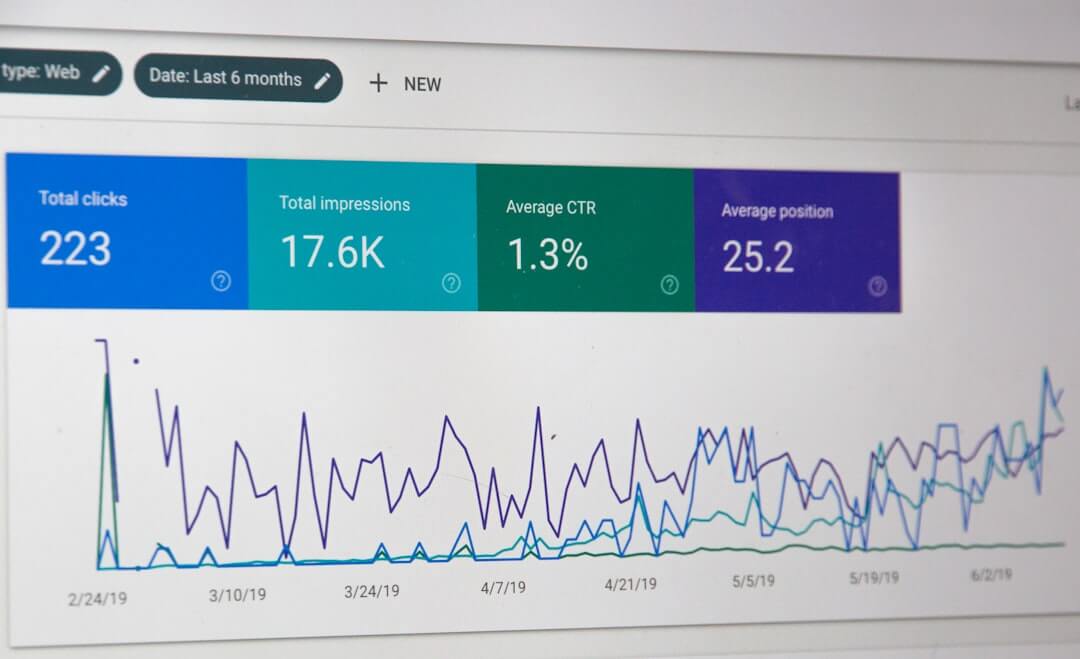 A good backlink strategy should improve more than a vanity metric. Look for gains in organic visibility, referral traffic, branded searches, and qualified visits over time.
The clearest signal is often pattern change, not a single dramatic spike. Strong backlink activity can help pages get discovered, trusted, and revisited, but the effect usually builds gradually rather than arriving on a white horse.
| Metric | Why it matters | What to watch |
|---|---|---|
| Referring domains | Shows breadth of site mentions | Growth from relevant sites |
| Organic rankings | Indicates search visibility | Movement on target keywords |
| Referral traffic | Shows actual visit value | Engaged sessions and conversions |
| Brand mentions | Reflects awareness and authority | Mentions on reputable sites |
| Indexed pages | Supports discovery | Faster indexing of new content |
It helps to separate link quantity from link usefulness. Ten relevant mentions that send visitors and reinforce authority can beat hundreds of links that contribute nothing except dashboard drama.
For brands using PR as part of the mix, it is worth reviewing what happens after distribution as well as where the release appears. The broader strategy matters more than the headline count.
What is a realistic SEO backlinks strategy in 2026?
 A realistic SEO backlinks strategy in 2026 is selective, evidence-led, and integrated with content and PR. Search engines still use backlinks as authority signals, but brands now need better judgement, not more noise.
The strongest approach blends on-site quality with off-site credibility. Build pages worth citing, give publishers a reason to mention you, and make sure your brand can survive a human sniff test.
- Create original pages people can reference
- Earn mentions through news, data, and expert insight
- Prioritise relevant publications over random reach claims
- Review anchors and placements for natural context
- Ignore shortcuts that promise volume without editorial quality
This is slower than buying rubbish links, which is precisely the point. Sustainable SEO usually looks boring in the planning document and much better in the results 🙂
If backlinks are part of a wider visibility push, the BrandPush blog covers related topics around search, PR, and answer engine optimisation. Dry reading, but useful.
The short version is simple. SEO backlinks still matter because they help search engines interpret trust, relevance, and authority, but quality beats volume by a wide margin. Brands that earn links through useful content, digital PR, and credible mentions tend to build something more durable than a pile of suspicious anchors.
Backlinks work best when they are a by-product of being worth citing. That is less exciting than a hack, but much more compatible with long-term growth and far less likely to age badly by next Tuesday.
Frequently Asked Questions
What are SEO backlinks in simple terms?
SEO backlinks are links from another website to your website. Search engines use them as signals that your content may be relevant, trustworthy, or authoritative.
Do backlinks still matter for SEO in 2026?
Yes, backlinks still matter because major SEO sources continue to describe them as ranking factors and authority signals. They are not the only factor, but they remain an important part of off-page SEO.
Are all backlinks good for rankings?
No, not all backlinks help. Links from irrelevant, spammy, or low-quality pages may offer little value and can signal manipulation if the pattern looks unnatural.
What makes a backlink high quality?
A high-quality backlink is usually relevant to your topic, comes from a reputable site, and appears naturally within useful content. Natural anchor text and sensible placement also help.
Do follow links matter more than nofollow links?
Follow links are generally more associated with direct SEO value because they can pass stronger ranking signals. Nofollow links can still bring referral traffic, visibility, and secondary link opportunities.
Can press releases help with SEO backlinks?
Press releases can support backlink earning indirectly by increasing visibility, brand mentions, and media pickup. They work best as part of a wider PR and content strategy rather than as a shortcut for mass link building.
How many backlinks do I need to rank?
There is no reliable fixed number because rankings depend on competition, content quality, relevance, and the strength of other signals. A smaller number of strong, relevant links can outperform a large pile of weak ones.
How do I check whether backlinks are helping?
Track referring domains, referral traffic, organic rankings, and brand mentions over time. The goal is not just more links, but better visibility and more qualified visits.
Should small businesses invest in backlink building?
Yes, but usually through content, local citations, partnerships, and digital PR rather than aggressive link buying. Small businesses benefit most when backlink efforts support real brand visibility and customer discovery.
Are backlinks the same as citations or mentions?
No, a backlink is a clickable link from one site to another. A citation or mention may reference your brand without linking, though those mentions can still support awareness and trust.