What Are SEO Backlinks and How Do They Help You Rank?
Quick answer: SEO backlinks are links from other websites pointing to your site, and search engines use them as signals of trust, relevance, and authority. Google has confirmed backlinks remain one of its top three ranking factors, which is why strong links can improve rankings, discovery, and referral traffic. The awkward bit is that quality matters far more than quantity.
What are SEO backlinks?
 A backlink is simply a hyperlink from one website to another. In SEO, that link acts like a public reference, telling search engines that another site considers your page worth citing.
Search engines treat backlinks as signals, not magic spells. They help algorithms judge whether a page deserves attention, especially when those links come from relevant, reputable sites rather than random corners of the internet.
- A backlink points users from one site to another
- It can influence rankings, crawling, and referral traffic
- Its value depends on relevance, authority, placement, and context
Why do backlinks still matter in SEO?
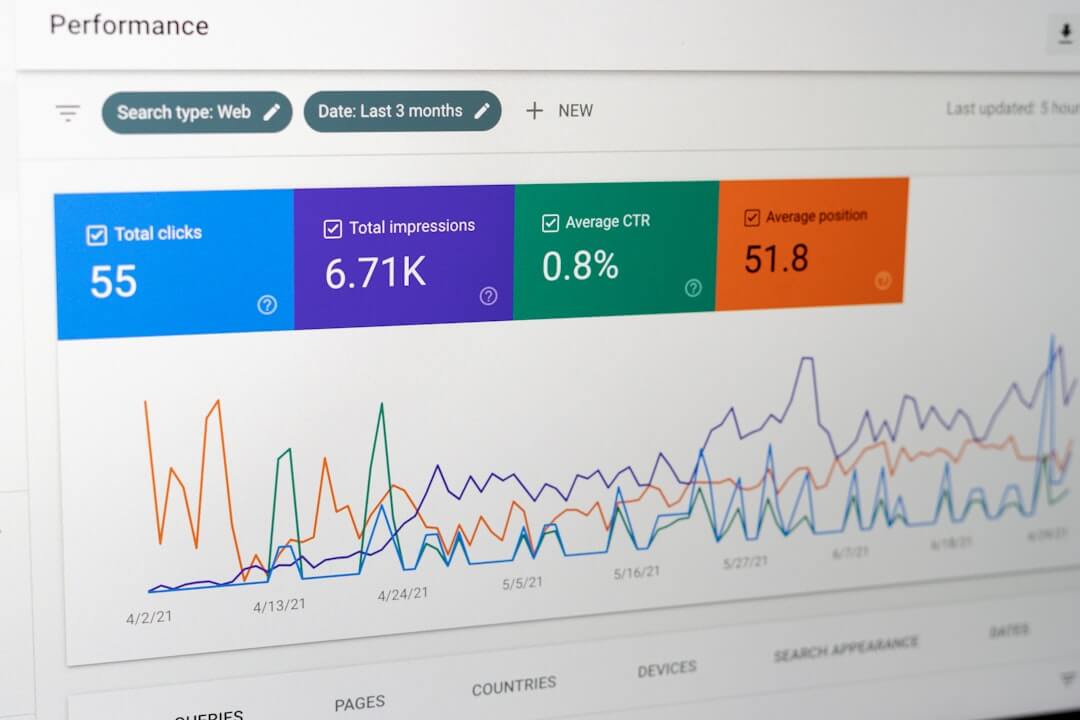 Backlinks still matter because search engines use them to estimate trust. Google has publicly confirmed that backlinks remain among its three most important ranking factors, which is about as subtle as a foghorn.
Pages with more high-quality backlinks tend to rank higher. That is because links operate like endorsements, helping search engines interpret a page as useful, credible, and worth surfacing for competitive queries.
Backlinks also send direct traffic. When someone clicks a link from an article, directory, interview, or news mention, that visit becomes referral traffic rather than something you had to buy repeatedly with ads.
They help with discovery too. Search engine bots use links to find and crawl pages more efficiently, which means backlinks can support indexing as well as rankings.
| SEO benefit | How backlinks help | Why it matters |
|---|---|---|
| Rankings | Signal authority and relevance | Improves ability to rank for target keywords |
| Referral traffic | Sends visitors directly from other sites | Creates ongoing traffic beyond paid campaigns |
| Crawl discovery | Helps bots find and revisit pages | Supports faster indexing and content discovery |
| Domain authority signals | Strengthens overall site trust profile | Makes future content easier to rank |
What makes a backlink high quality?
 Not all backlinks are equal. A single strong link from a trusted, relevant publication can be more valuable than 1,000 weak links dumped across low-quality pages.
Context matters as much as domain strength. Links placed naturally inside useful content usually carry more weight than links buried in footers, author boxes, or pages built purely to spray links around like confetti.
The most valuable backlinks usually share a few traits:
- They appear naturally within relevant content
- They come from reputable, established websites
- They use natural anchor text rather than over-optimised keyword stuffing
- They point to working, useful pages with real value
- They sit in the main body content, often higher up the page
Page-level authority matters too. A page with stronger PageRank can pass more equity through its outbound links, so where the link lives is often just as important as the site itself.
Dofollow vs nofollow: what is the difference?
 Dofollow backlinks can pass SEO value, while nofollow links generally do not pass ranking equity in the same way. In practical terms, a nofollow link includes a
 rel="nofollow" attribute that signals to search engines not to treat it as a standard endorsement.
That does not make nofollow links useless. They can still send traffic, build visibility, support brand searches, and put your content in front of journalists, researchers, and creators who may later link to you with standard editorial links.
Here is the short version:
| Link type | SEO value | Traffic value | Typical use |
|---|---|---|---|
| Dofollow | Usually passes ranking signals | Yes | Editorial citations, articles, resource pages |
| Nofollow | Limited direct ranking value | Yes | Sponsored placements, some comments, some media links |
A healthy link profile usually contains both. If every link to your website looks perfectly engineered and keyword-stuffed, that is less impressive and more suspicious.
How do you earn SEO backlinks without looking desperate?
 The safest way to earn backlinks is to publish things worth citing. Search engines and editors both prefer assets with actual substance, which is annoying if you were hoping to get by on vibes alone.
Content marketing remains one of the strongest approaches. Guides, opinion pieces, original research, infographics, and useful case-style insights attract links because they give other publishers something concrete to reference.
A practical backlink earning framework looks like this:
- Create a genuinely useful asset. That could be a data-led guide, industry survey, expert commentary piece, or detailed resource page.
- Match it to a specific audience. Links usually come when the content solves a problem for writers, editors, analysts, or niche communities.
- Promote it deliberately. Outreach, social sharing, newsletters, and PR help people discover content that would otherwise sit unseen.
- Make the page linkable. Clear headings, credible sources, quotable stats, and visual assets increase citation chances.
- Refresh it regularly. Updated resources keep attracting links over time rather than dying quietly after launch.
Guest posting still works when done sensibly. The useful version involves contributing real expertise to relevant sites, not recycling bland filler with an exact-match anchor text wedged in like a bad disguise.
Broken link building is still viable too. If you find dead resources on relevant sites and offer a better replacement, you solve a problem for the publisher while earning a legitimate mention.
How can PR support a backlink strategy?
 Digital PR can create the conditions for backlinks at scale. When your brand gives journalists timely data, a clear angle, and usable quotes, media coverage can turn into citations, mentions, and secondary links from sites that pick up the story.
PR works best when the story is actually newsworthy. A press release will not rescue a weak angle, but it can help distribute a strong one, especially if you have product news, research, milestones, partnerships, or expert commentary worth covering.
This is where a service like BrandPush can fit naturally. It helps brands distribute press releases to wide media networks, which can improve visibility, discovery, branded search, and link opportunities when the underlying story is solid.
- Use PR to promote announcements, data, launches, and milestones
- Link releases to helpful landing pages or evidence-rich resources
- Treat coverage as part of a wider SEO and brand authority strategy
The goal is not to manufacture links mechanically. The goal is to increase the chance that your brand appears in places where real people, journalists, and publishers can find and reference it.
For stronger inputs, BrandPush also has a useful guide on how to write a press release. That matters because distribution without substance is just a louder version of the same problem.
What backlink mistakes should brands avoid?
 Most backlink problems come from chasing shortcuts. If a tactic sounds like it was invented in a dimly lit forum thread in 2011, it probably deserves suspicion rather than budget.
Over-optimisation is a common mistake. Repeating the same keyword-heavy anchor text across lots of links can look unnatural, and links from irrelevant or low-quality sites often create noise rather than authority.
Watch for these common errors:
- Buying large volumes of cheap, irrelevant links
- Using the same exact-match anchor text repeatedly
- Pointing links to thin or broken pages
- Ignoring topical relevance between the linking page and your page
- Treating press releases as a link trick rather than a visibility tool
Metrics can mislead if you use them lazily. A strong-looking domain score does not guarantee editorial quality, contextual relevance, or actual traffic, so backlink evaluation should never rely on one shiny number alone.
For a broader search context, both Moz and Ahrefs offer solid explainers on backlink fundamentals. They are useful reminders that link quality is part editorial judgement, part technical signal, and part common sense.
How should you measure the value of SEO backlinks?
 A backlink is valuable when it improves visibility, traffic, or authority. The problem is that brands often measure only the easiest number to screenshot rather than the outcomes that affect revenue.
You need both SEO and business metrics. Rankings matter, but so do referral visits, conversions, assisted conversions, branded search growth, and whether the linked page actually supports a commercial goal.
A sensible measurement checklist includes:
- Referral traffic from linking pages
- Keyword movement for linked pages and related clusters
- Indexing and crawl frequency for new content
- Branded search growth after media mentions or campaigns
- Leads or sales from visitors landing through those links
Time horizon matters here. Unlike paid ads, backlinks often create value over months or years, which is why a useful link can keep paying rent long after the campaign deck has been forgotten 🙂
Look for patterns, not isolated wins. One strong media mention can help, but a repeatable system of content, outreach, and PR usually creates better long-term SEO results.
Backlinks are still one of the clearest signals that your site deserves attention, but the useful kind come from relevance, credibility, and actual usefulness. If you want links that support rankings and brand visibility, build assets worth citing and use distribution sensibly, including tools like BrandPush when you have a real story to push.
Frequently Asked Questions
What are SEO backlinks in simple terms?
SEO backlinks are links from other websites to your website. Search engines use them as signals that other people consider your content useful or trustworthy.
Why are backlinks important for SEO?
Backlinks help search engines assess authority and relevance, which can improve rankings. They also drive referral traffic and help bots discover pages more efficiently.
Are all backlinks good for SEO?
No, because link quality varies enormously. Relevant, editorially placed links from reputable sites are usually helpful, while spammy or irrelevant links can add little value.
What is the difference between dofollow and nofollow backlinks?
Dofollow links can usually pass ranking signals to the linked page. Nofollow links generally do not pass SEO value in the same way, but they can still send traffic and create visibility.
How many backlinks do I need to rank?
There is no universal number because rankings depend on competition, content quality, search intent, and the strength of competing pages. A few strong, relevant backlinks can outperform a large pile of weak ones.
Can press releases help with backlinks?
Yes, but mostly by improving visibility and earning editorial pickup rather than acting as a shortcut. A strong press release can lead to mentions, citations, and secondary links when the story is genuinely newsworthy.
How long does it take for backlinks to affect rankings?
It usually takes weeks or months rather than days. Search engines need time to crawl the linking page, process the signal, and reassess the linked page in context.
What types of content attract backlinks best?
Original research, detailed guides, strong opinion pieces, useful tools, infographics, and expert commentary often earn links most naturally. The common thread is simple: people link to content that helps them explain something better.
Should small businesses care about SEO backlinks?
Yes, because backlinks are not only for giant brands. Small businesses can earn strong links through local PR, niche expertise, useful resources, and well-targeted content.