What Are SEO Backlinks and Do They Still Matter in 2026?
Quick answer: SEO backlinks are links from other websites pointing to your site, and they still matter in 2026 because they help search engines assess trust, relevance, and authority. Recent coverage consistently shows that editorial quality, topical fit, and placement matter far more than raw link volume. If your link strategy still resembles a 2014 spreadsheet fever dream, it is time for an upgrade.
What are SEO backlinks?
 SEO backlinks are inbound links from one website to another. Search engines use them as one signal, among many, to understand whether a page is credible, useful, and worth surfacing.
Not all backlinks are equal. A link from a relevant publication, trade site, or respected resource page usually carries more weight than dozens of low-quality directory links.
- Editorial backlinks are placed because someone chose to reference your content
- Relevant backlinks come from sites connected to your topic or industry
- Trusted backlinks tend to come from established publications, organisations, or well-maintained websites
Do SEO backlinks still matter in 2026?
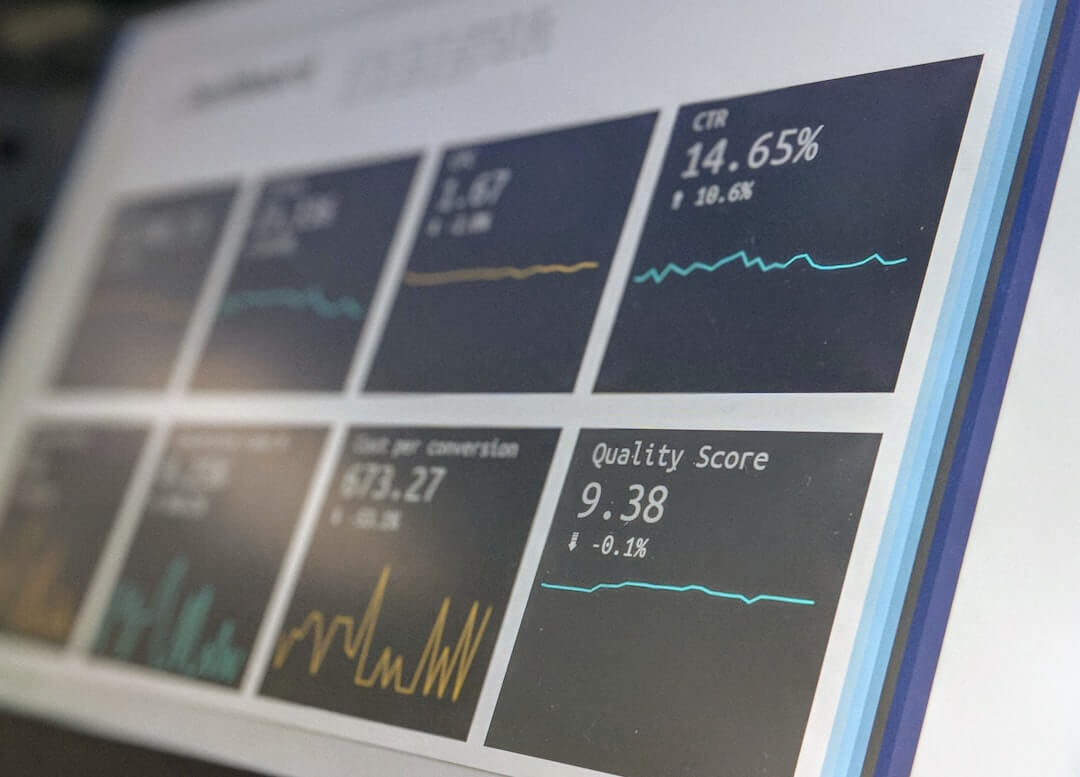 Yes, backlinks still matter in 2026. Multiple recent SEO sources say links remain important, but the emphasis has shifted to quality, trust, context, and relevance rather than sheer quantity.
One 2026 guide claimed backlinks account for about 30% of ranking factors, though that figure was presented without a primary-source citation, so treat it as directional rather than gospel. More reliable consensus from current industry coverage is that editorial backlinks and links from niche-relevant authoritative sites still help pages compete, especially when paired with strong content and technical SEO.
| Signal | Why it matters in 2026 |
|---|---|
| Relevance | Helps search engines connect the linking site to your topic |
| Trust | Strong sites can pass stronger credibility signals |
| Placement | In-content links tend to be more meaningful than buried footers |
| Anchor context | Surrounding copy helps clarify why the page is being cited |
| Editorial judgement | Human-selected links are usually stronger than automated placements |
Backlinks are no longer a magic trick. They work best as part of a broader system that also includes useful content, clear site structure, and brand credibility across the web.
Which SEO backlinks are actually worth having?
 The best SEO backlinks are the ones a sensible editor or subject expert would genuinely add. That usually means links earned through research, commentary, original data, newsworthy announcements, or resources that deserve to be cited.
A single strong link can beat a pile of forgettable ones. This is especially true when the linking page is topically close to your page and the link appears naturally within the body content.
- Links from industry publications covering your niche
- Links from news sites with editorial standards
- Links from resource pages that solve a clear user problem
- Links from expert round-ups where your contribution is specific and useful
- Links to commercially relevant pages where the destination matches the context
Homepage links are fine, but deep links are often better. If someone links directly to the page that answers the query, that tends to make more semantic sense for users and search engines alike 🙂
What makes a backlink low quality or risky?
 Low-quality backlinks usually look manufactured because they often are. If a link exists mainly to manipulate rankings rather than help a reader, it is unlikely to age well.
Search engines have become better at ignoring or devaluing rubbish links. That means paying for mass placements, relying on irrelevant directories, or chasing random blog networks is more likely to waste budget than improve rankings.
- Links from irrelevant sites with no topical connection
- Links surrounded by thin, awkward, or machine-made copy
- Sitewide footer or sidebar links added for SEO rather than usability
- Large volumes of links appearing suddenly from weak domains
- Pages created only to host outbound links
Good link building should survive human inspection. If the page feels odd, unhelpful, or built only for search engines, that is your cue to step away slowly.
How should brands earn SEO backlinks now?
 The safest modern approach is to earn links through visibility, usefulness, and credibility. In practice, that means combining digital PR, original content, expert commentary, and selective outreach rather than trying to brute-force link volume.
Press coverage can support link earning when there is a genuine story. If your brand has an announcement, report, partnership, milestone, or informed viewpoint, a service like BrandPush can help distribute that story widely and create opportunities for branded visibility and secondary pickups.
- Create something worth citing. Publish data, explain a complex topic clearly, or offer a strong original angle.
- Match the asset to the audience. Journalists, bloggers, analysts, and trade editors all want different things.
- Promote it properly. Outreach still matters, but relevance matters more than volume.
- Support it with PR. Newsworthy announcements can generate attention that leads to mentions, referral traffic, and occasional editorial links.
- Track what gets picked up. The point is not just coverage, but coverage that supports visibility and trust.
This is why digital PR and SEO have become close colleagues. One brings the story, the other makes sure the story has somewhere useful to land.
How do you judge whether SEO backlinks are helping?
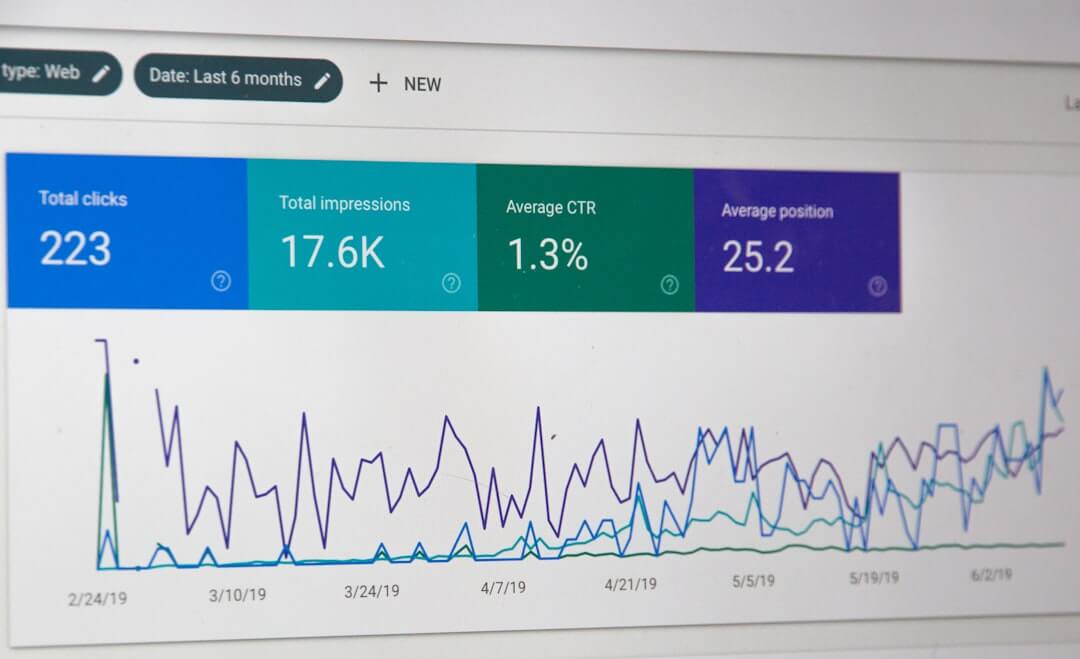 Backlinks should be measured by outcomes, not by bragging rights in a Slack screenshot. A useful link can contribute to rankings, referral traffic, brand searches, and broader signs of trust over time.
Do not expect instant fireworks. Strong links often work gradually as search engines recrawl pages, reassess context, and combine link signals with on-page quality and site authority.
| Metric | What to look for |
|---|---|
| Ranking movement | Improvement for target pages and related terms |
| Referral traffic | Visits from the linking page or publication |
| Brand search demand | More searches for your brand after coverage |
| Indexed mentions | Wider visibility across publications and aggregators |
| Assisted conversions | Users who discover you through coverage and convert later |
Link impact is usually cumulative. One mention may not transform a page, but consistent high-quality references can strengthen your site over months rather than days.
For a cleaner reporting setup, pair link tracking with branded search trends, page-level rankings, and assisted conversions in analytics. If you are using PR as part of the mix, this press release writing guide is useful for tightening the angle before distribution.
What should your SEO backlink strategy look like in 2026?
 A sensible backlink strategy starts with pages that deserve to rank. There is little point chasing links to a page that is thin, confusing, or impossible to trust.
Your first job is to make the destination page better. Then you can earn links to pages that answer real queries, support commercial goals, or strengthen topical authority.
- Prioritise link-worthy pages such as research, guides, tools, or useful category content
- Focus on topical relevance before domain vanity metrics
- Build brand credibility through PR, expert commentary, and consistent publishing
- Avoid treating every mention without a link as a failure
- Review links quarterly instead of obsessing over them hourly like a Victorian clock watcher
Mentions still have value even without a clickable link. They can influence awareness, trust, and even answer engine visibility, especially as search and AI systems use broader brand signals to assess who gets cited.
If your campaign includes a launch, report, funding update, or other timely announcement, BrandPush can fit neatly into that workflow by helping get the news in front of a wider network of publications. For headline planning, this guide on how to create the perfect press release headline can save a great deal of preventable pain.
The short version is simple. SEO backlinks still matter, but bad ones matter far less than many people think and strong ones matter more than ever. Brands that earn relevant editorial links through useful content and credible PR will usually do better than brands still chasing volume for the sake of a vanity report.
Frequently Asked Questions
What is an SEO backlink in simple terms?
An SEO backlink is a link from another website to yours. Search engines may use it as a signal that your page is worth referencing, especially if the link comes from a relevant and trusted source.
Do backlinks still help Google rankings in 2026?
Yes, backlinks still help, but they are only one part of the picture. Current SEO guidance consistently suggests that quality, relevance, and editorial context matter more than large link counts.
Are all backlinks good for SEO?
No, some backlinks are ignored and some can be unhelpful. Links from irrelevant, spammy, or obviously manufactured pages are far less valuable than natural links from trustworthy sites.
How many backlinks do I need to rank?
There is no universal number because ranking depends on competition, content quality, intent match, and site strength. A few strong, relevant links can outperform hundreds of weak ones.
What is the difference between editorial backlinks and paid links?
Editorial backlinks are added because someone chose to cite your page. Paid links are placed because money changed hands, and if they are used to manipulate rankings they can be risky.
Can press coverage help you earn SEO backlinks?
Yes, it can, especially when the story is genuinely newsworthy and reaches relevant publishers. Coverage can create direct links, secondary pickups, referral traffic, and wider brand visibility.
Are nofollow backlinks useless?
No, nofollow links can still send traffic, build awareness, and support credibility. They may also lead to secondary editorial coverage that produces standard followed links elsewhere.
What is the best way to get SEO backlinks without being spammy?
Publish something worth citing, pitch it to relevant people, and support it with credible PR or expert commentary. In other words, give people a reason to link rather than a reason to block your email.
How long does it take for backlinks to affect rankings?
It varies because search engines need time to crawl, index, and evaluate the linking page and destination page. Some impact may appear within weeks, but broader gains often take months.
Should small businesses care about SEO backlinks?
Yes, especially if they operate in a competitive niche or local market. A small business does not need thousands of links, but it does benefit from a handful of relevant, trustworthy mentions from real websites.