What Are High Quality Backlinks and How Do You Actually Get Them?
Quick answer: High quality backlinks are links from authoritative, relevant pages that place your brand naturally within useful content. Research from Ahrefs, Semrush, and Backlinko shows that link quality depends less on sheer volume and more on relevance, editorial placement, page authority, and context. For most brands, the best route is earning links through useful content, digital PR, and coverage that people might actually read rather than links stuffed into the internet’s attic.
What counts as a high quality backlink?
 A high quality backlink is a link that sends a strong trust and relevance signal. It usually comes from a page that is topically related to your business, has its own authority, and mentions you in a natural editorial context.
Ahrefs says the most valuable backlinks are typically placed within the main content rather than in a footer or sidebar. It also notes that links from pages and websites on the same topic tend to carry more weight than links from unrelated sources.
- Relevant topic match between the linking page and your site
- Editorial placement inside the article body, not hidden in template areas
- Authority at page level, not just a flashy homepage metric
- Natural anchor text that fits the sentence and user intent
- Real audience value, meaning somebody might plausibly click it
Why relevance matters more than raw link volume
More backlinks do not automatically mean better rankings. A smaller number of strong, relevant links often beats a giant pile of random ones that look like they were assembled during a power cut.
Softtrix argues that 100 quality backlinks from authoritative sites are better than large quantities of low-grade links. Backlinko makes a similar point by recommending publishers that already rank or write about your topic, which means alignment matters more than vanity metrics alone.
| Signal | Higher quality backlink | Lower quality backlink |
|---|---|---|
| Topic relevance | Same niche or closely related topic | Unrelated niche with no clear connection |
| Placement | Inside editorial content | Footer, sidebar, author box, directory dump |
| Context | Supports the article naturally | Forced into generic wording |
| Linking page value | Useful page with its own authority | Thin page with little purpose |
| Audience fit | Real readers in your market | No obvious audience overlap |
Natural Links also highlights organic visibility as a sign of quality. If a site links out to unrelated industries all day long, that is less a media property and more a loose collection of bad decisions.
How search tools assess backlink quality
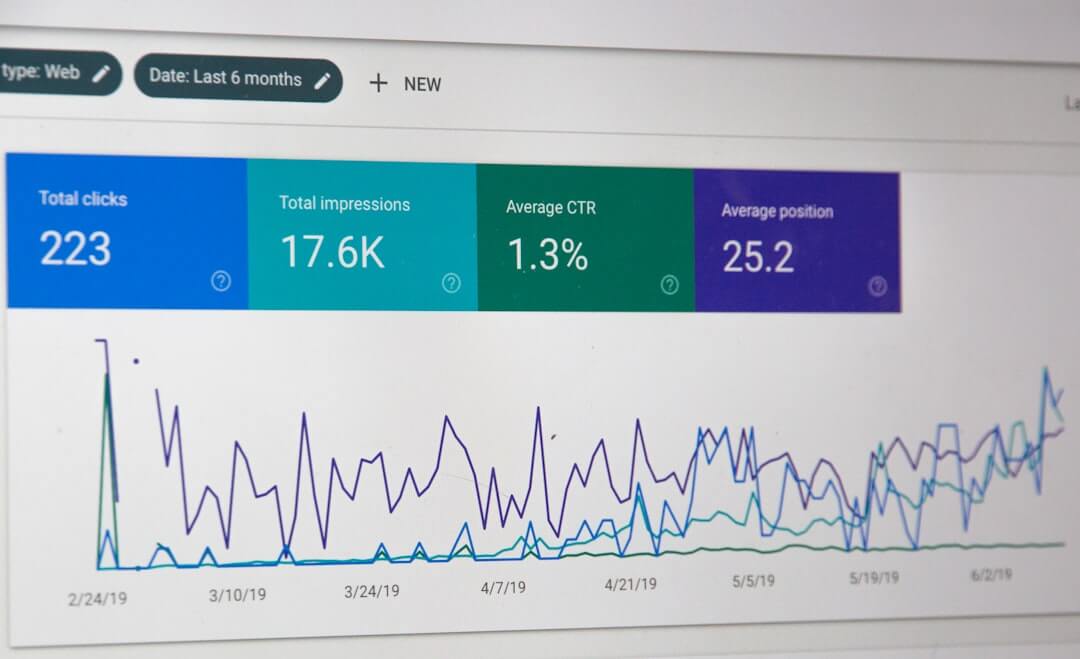 SEO tools judge backlinks using a mix of authority, relevance, and risk signals. The jargon changes by platform, but the logic is fairly consistent.
According to Ahrefs, backlink strength can be estimated using the linking page’s URL Rating (UR), not just the overall domain. Semrush recommends reviewing Authority Score and avoiding sites with Toxicity Scores in the 60-100 range when evaluating prospects.
- Check whether the linking page has authority, not only the domain
- Review whether the site publishes in your industry or adjacent category
- Look for signs of traffic and organic visibility
- Avoid pages overloaded with outgoing links to unrelated websites
- Treat automated metrics as clues, not gospel tablets from the mountain
Ahrefs also notes that a referring domain linking out to many URLs shares less value than one with fewer outgoing links. It further states that nofollow links most likely do not cast a vote, which matters when you are judging SEO impact rather than brand awareness alone.
What high quality backlinks usually look like in practice
 The best backlinks rarely arrive looking like backlinks. They usually appear as part of useful coverage, expert commentary, original research, or a genuinely relevant resource.
A strong backlink might come from an industry article citing your data, a founder quote in a trend story, a resource page linking to your guide, or a news piece covering a real company update. Semrush recommends prioritising mentions on high-quality, relevant websites with positive context, evergreen content, and sound authority.
Here are common patterns that often produce better links:
- Original data that journalists, bloggers, and analysts can cite
- Useful guides that solve a narrow problem better than generic listicles
- Expert commentary tied to a trend, regulation, or industry shift
- Newsworthy company updates such as launches, funding, partnerships, or milestones
- Digital PR stories with a clear hook and supporting evidence
Backlinko also recommends content that is citable, skimmable, and valuable for link acquisition. That means the page needs substance, clear structure, and something worth referencing, not 1,200 words of polite fog.
How to earn high quality backlinks step by step
 Earning better backlinks starts with better assets. If the page you want links to is weak, even generous coverage will struggle to help.
Start by identifying one page worth promoting, such as a research post, landing page, category page, or expert guide. Then build a small campaign around why that page deserves attention.
- Choose a linkable asset. Pick a page with a clear topic, good UX, strong information, and a reason to exist beyond SEO.
- Match it to a relevant audience. List the sites, publications, creators, and communities that already cover that topic.
- Create a credible hook. Use data, expert insight, a product update, a case pattern, or a timely angle.
- Pitch or distribute it properly. Reach out directly, support it with owned content, and use digital PR where the story is genuinely newsworthy.
- Track results by relevance. Judge wins by authority, topical fit, referral traffic, brand mentions, and ranking lift over time.
Semrush says backlinks remain essential for SEO and can also help AI systems recognise relevance. That matters because search visibility is no longer just ten blue links and a prayer.
For news-led campaigns, a press release can support discovery if it is tied to a real announcement and points readers to a strong destination page. If you are distributing company news and want broader visibility, BrandPush can help place your release across recognised media sites and support the sort of brand mentions and coverage that often contribute to stronger link opportunities.
What to avoid when chasing high quality backlinks
 Bad link building usually looks efficient right up until it becomes expensive. The easiest offers are often the least useful, especially when they ignore relevance and editorial standards.
Research across the cited SEO sources points to a few recurring red flags. They are not subtle, which is almost thoughtful of them.
- Sites covering unrelated niches with no editorial logic
- Pages stuffed with excessive outgoing links
- Exact-match anchor text forced into awkward sentences
- Links placed in footers, sidebars, or low-value directories
- Publishers with weak visibility, thin content, or obvious paid-link patterns
Natural Links warns that sites with unrelated-niche links are a red flag. Ahrefs likewise stresses the value of editorial placement and relevance over mechanical link insertion.
If you are using a press release as part of the mix, treat it as a visibility and credibility asset first. This aligns with our earlier piece on how to use a press release for SEO without treating it like a backlink hack, because forced SEO tactics tend to age like milk in a radiator. 🙂
Where digital PR fits into a high quality backlink strategy
 Digital PR is often the bridge between brand visibility and better backlinks. It works best when you have something timely, credible, and easy for publishers to cover.
A good PR-led link is usually a by-product of a story people want to reference. That could be a launch, a funding announcement, proprietary data, an expert reaction, or a useful resource connected to current interest.
| Tactic | Best for | Typical link outcome |
|---|---|---|
| Original research | Citations and industry coverage | Strong editorial links from relevant articles |
| Expert commentary | Fast-response media opportunities | Contextual links or branded mentions |
| Press releases | Announcements with a real news angle | Coverage, mentions, and occasional follow-on links |
| Resource content | Evergreen SEO and outreach | Links from guides, roundups, and reference pages |
| Partnerships | Shared audience relevance | Mentions from partner content or news updates |
This is where distribution can help if the announcement is genuinely newsworthy. If you are preparing a release, these guides on how to write a press release and common mistakes to avoid are useful places to start.
A press release is not a magic backlink vending machine. It is a structured way to put real news in front of publishers and readers, which can contribute to mentions, discovery, and occasionally the sort of editorial links that actually matter.
How to measure whether your backlinks are actually good
A backlink is only valuable if it improves something that matters. That might be rankings, referral traffic, brand searches, page discovery, or secondary media coverage.
Track outcomes at both the link level and the page level over time. One shiny link on a random website is less impressive if nothing changes afterwards, apart from your spreadsheet becoming more colourful.
Measure these signals after acquisition:
- Topical relevance of the linking page and domain
- Authority of the linking page using tools such as UR or Authority Score
- Referral traffic and assisted conversions in analytics
- Keyword movement for the destination page over several weeks
- Brand mentions and follow-on coverage from other sites
Semrush advises assessing link quality using Authority and Toxicity signals, while Ahrefs focuses heavily on page-level strength and editorial context. A sensible backlink review asks three plain questions: is the page relevant, is the placement natural, and did it help anything measurable? 📈
High quality backlinks are earned through relevance, authority, and context rather than shortcuts. If your brand has a real story and you want broader visibility that can support mentions, discovery, and stronger SEO assets, BrandPush is one practical way to get that story in front of recognised outlets without pretending every link is a miracle.
Frequently Asked Questions
What is the definition of a high quality backlink?
A high quality backlink is a link from a relevant, authoritative page that mentions your brand naturally within useful content. The best links usually have strong topical alignment, editorial placement, and a believable reason to exist.
Are high quality backlinks still important for SEO?
Yes, backlinks still matter because they help search engines assess authority and relevance. Semrush also notes they can help AI systems recognise relevance, which makes them useful beyond traditional rankings.
Is one backlink from a strong site better than many weak links?
Often, yes. A single relevant editorial link from a strong page can outperform dozens of low-value links from unrelated or weak sites.
Do nofollow backlinks count as high quality backlinks?
They can still have branding, referral, and discovery value, but Ahrefs says nofollow links most likely do not cast a vote in the same way for SEO. That means they may be useful, just not equivalent to strong followed editorial links.
How can I tell if a backlink is topically relevant?
Look at the subject of the linking page, the site’s broader focus, and whether your link makes sense to the reader. If the page could remove your link and lose no meaning at all, that is not a promising sign.
Are press release links considered high quality backlinks?
Sometimes, but only when they lead to genuine editorial placement, relevant mentions, or follow-on coverage. A press release works best as a visibility tool that can support earned links rather than as a shortcut for manufacturing them.
What metrics should I use to judge backlink quality?
Useful metrics include URL Rating, Authority Score, topical relevance, referral traffic, and the number of outgoing links on the page. Semrush also recommends checking Toxicity Score, especially when reviewing unfamiliar sites.
How long does it take for high quality backlinks to help rankings?
There is no fixed timeline because results depend on crawl frequency, page authority, competition, and the quality of the destination page. In practice, brands often monitor movement over several weeks to a few months rather than expecting instant fireworks.
What is the safest way to build high quality backlinks?
The safest route is creating useful content, earning relevant coverage, and using digital PR for real announcements and expert insight. In other words, do things that would still make sense if search engines suddenly stopped watching.