How to Use a Press Release for SEO in 2026
Quick answer: A press release for SEO can support rankings by earning relevant coverage, referral traffic, branded searches, and occasional high-quality backlinks. It works best when the release is genuinely newsworthy, properly optimised, and tied to a page on your site that deserves attention. Blindly publishing bland corporate waffle, meanwhile, remains a reliable way to achieve very little.
What does a press release for SEO actually do?
 A press release for SEO is not a magic ranking button. It is a digital PR asset designed to create visibility signals that search engines and people can both notice.
The SEO value usually comes from earned media pickup, referral visits, and relevant backlinks rather than from dumping a release onto the internet and hoping Google feels sentimental. According to industry data, 67% of SEO professionals use digital PR for link building, and 48.6% of businesses say it is their most successful tactic for earning high-quality backlinks.
- Coverage can put your brand in front of journalists, publishers, and researchers
- Links from picked-up stories can strengthen authority and discovery
- Traffic from placements can send engaged visitors to commercial or informational pages
Only 29% of press releases are optimised for SEO, yet 41% of those see higher organic traffic within 90 days of publication. That gap is encouraging if you enjoy low-hanging fruit and mildly depressing if you have seen how many releases still read like they were approved by fourteen committees.
When is a press release worth using for SEO?
 A press release is worth using for SEO when you have real news and a clear destination page to support. If there is nothing timely, useful, or noteworthy to say, the internet will notice.
Good SEO-driven releases usually sit around launches, data, partnerships, funding, milestones, awards, executive hires, research, or market expansion. They work especially well when they support a page that can convert the extra attention into leads, sign-ups, or brand searches.
| Situation | SEO potential | Why it matters |
|---|---|---|
| Product launch | High | Can attract coverage, links, and branded search demand |
| Original research | Very high | Gives journalists something worth citing |
| New partnership | Medium | Works if the names involved are relevant and timely |
| Minor company update | Low | Usually too weak for pickup or links |
| Trend commentary | Medium to high | Strong if supported by data or expert insight |
One useful benchmark is that a high-performing press release is reported to earn 5 to 20 quality backlinks, with a median of about 13. That does not mean every release will do it, sadly, but it does show the upside when the story and targeting are right.
How to optimise a press release for SEO step by step
The best optimisation is mostly common sense with better formatting. Search engines are not impossible to please, but they do prefer clarity over chaos.
Start with a headline that says what happened, who it matters to, and why now. If you need help tightening that part, BrandPush has a useful guide on how to create the perfect press release headline.
Then structure the release so both humans and machines can scan it quickly. A release that hides the point until paragraph six is not mysterious, it is just inconvenient.
- Put the primary keyword in the headline if it sounds natural.
- Use the keyword or a close variant in the first paragraph.
- Link to one core landing page and possibly one supporting page.
- Add a strong company quote with a clear opinion or takeaway.
- Include facts, dates, numbers, and proper nouns that make the story cite-worthy.
- Keep formatting clean with short paragraphs, subheadings if allowed, and no keyword stuffing.
Press releases with well-crafted quotes are reported to have a pickup rate up to 40% higher than those without quotes. Relevant URLs embedded in picked-up releases can also increase website traffic by up to 77%, which is a surprisingly good return for the humble act of linking to the correct page.
- Write for journalists first, algorithms second
- Optimise the target page before distribution
- Use brand terms and topic terms naturally, not repeatedly
If you want a done-for-you route, BrandPush is built for brands that want distribution to major outlets without turning the process into a second full-time job. That is handy if your marketing team is already juggling twelve priorities and one of them is inevitably called “content refresh” 😌
What kind of backlinks can a press release help you earn?
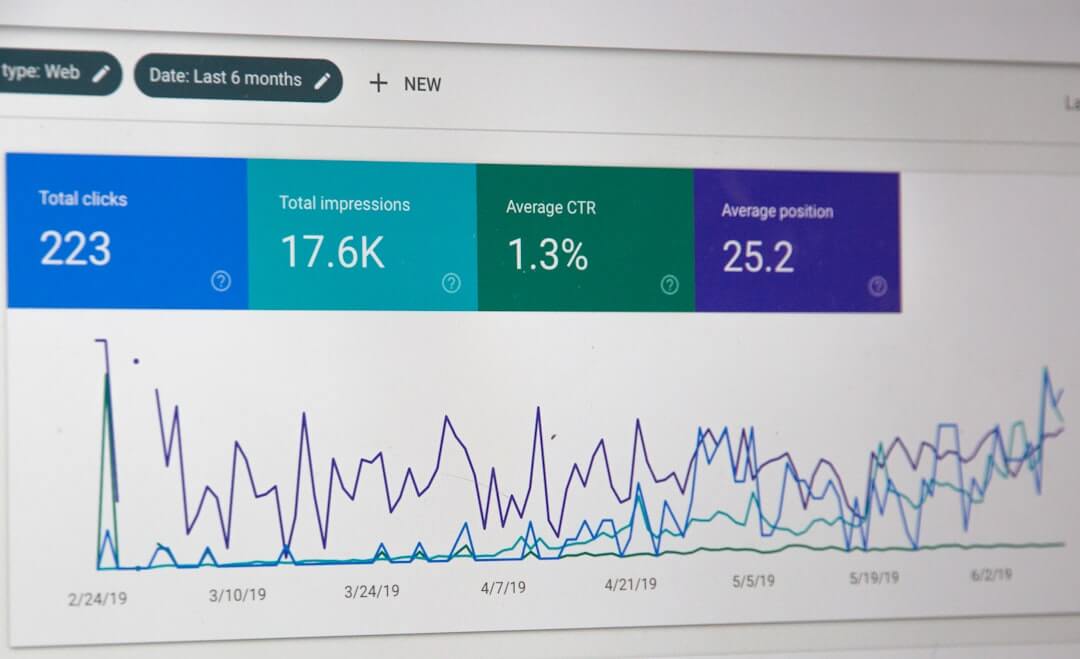 A press release can help you earn editorial backlinks, but it does not guarantee them. The distinction matters because SEO value comes from what is earned through pickup, not from wishful thinking.
Industry data suggests the average backlink earned through digital PR has a Moz Domain Authority of 43, while 32% of those links come from domains with DA above 70. That is why digital PR remains attractive to SEO teams that are tired of low-value link schemes dressed up as strategy.
The better way to think about links is quality, relevance, and plausibility. If your release is tied to a real story, your odds improve because publishers have a reason to reference it.
| Backlink factor | What to look for | Why it affects SEO |
|---|---|---|
| Relevance | Outlet or article matches your topic | Context helps the link make sense |
| Authority | Established publication or niche site | Stronger trust and ranking signals |
| Editorial placement | Link appears within real coverage | More credible than thin reposts |
| Referral potential | Readers may actually click | Traffic and engagement add value |
Research also notes that the top-ranking page on Google tends to have 3.8 times more backlinks than pages ranked 2nd to 10th. A press release will not solve that gap alone, but it can be one sensible part of the wider link acquisition plan.
How should you measure SEO results from a press release?
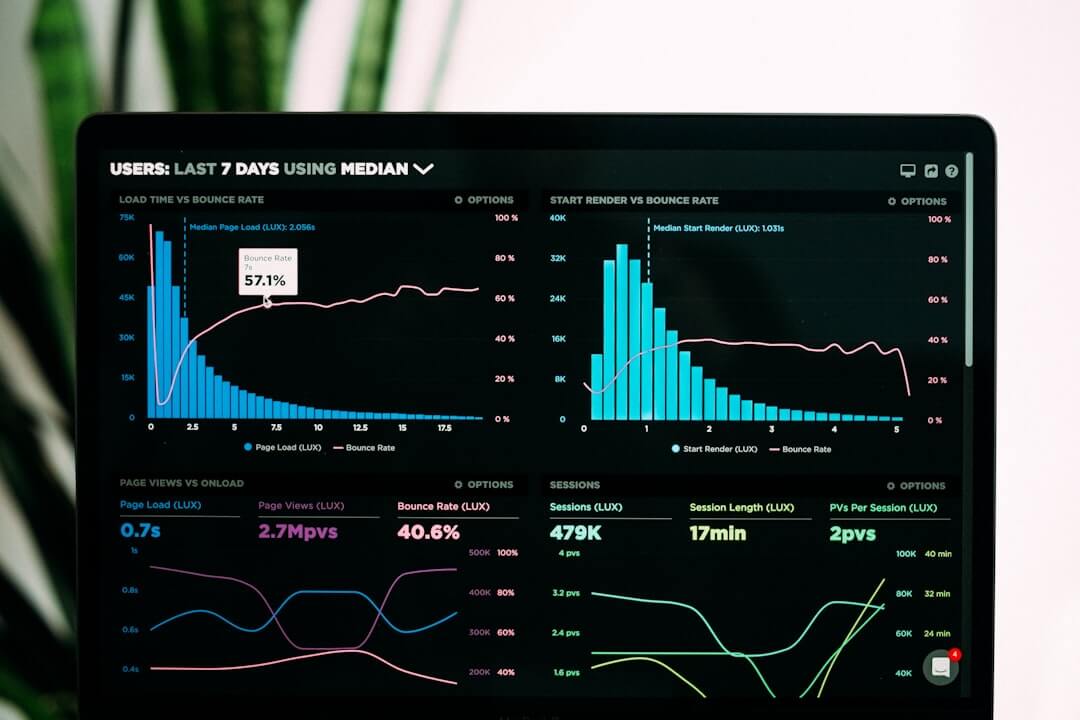 If you cannot measure it, you are mostly collecting anecdotes. Those can be fun at conferences, but they are not a reporting framework.
About 64% of brands actively measure the SEO impact of PR campaigns using analytics tools. That is the right instinct, because the real result is rarely just “it got published”.
Track outcomes in layers rather than chasing one vanity number. A release can underperform on direct links but still help branded search, assisted conversions, or journalist discovery later.
- Referral traffic from publication pages to your site
- New backlinks to the linked landing page or homepage
- Ranking movement for related non-branded keywords
- Branded search growth after coverage goes live
- Leads or sign-ups assisted by the release traffic
A strong PR placement can drive 100 to 500 referral visits as a median range, and some drive more than 1,000. That means your landing page needs to be ready before distribution, because wasting earned attention on a weak page is an expensive form of self-sabotage.
For a simple reporting setup, review Google Search Console, your analytics platform, and backlink tools at 7 days, 30 days, and 90 days. The 90-day view matters because that same dataset found SEO-optimised releases often show organic traffic improvement within that window.
Common press release SEO mistakes to avoid
 Most press release SEO failures are not dramatic. They are just avoidable, repetitive, and often wearing the disguise of “best practice”.
The biggest mistake is using a release when there is no news angle. The second biggest is linking to a homepage when a deeper page would do a better job of converting intent.
- Writing an advert disguised as news
- Stuffing keywords into every sentence like it is still 2009
- Linking to pages that are slow, vague, or not indexable
- Using quotes that say absolutely nothing at great length
- Measuring success only by the number of reposts
Another common problem is expecting every syndication copy to pass major SEO value. That is not how this works, and pretending otherwise is how budgets disappear quietly.
Only 2.2% of published online content earns multiple backlinks through digital PR and earned media campaigns. That figure is a useful reality check, because it shows why story quality and timing matter more than simply pressing publish.
If you are polishing a release before sending it out, BrandPush also has a practical guide to 14 common mistakes to avoid in your press release. It is shorter and kinder than learning the same lessons from poor results.
What budget should you expect for press release SEO?
 Press release SEO costs vary because distribution, writing, targeting, and media outcomes vary. In other words, pricing is gloriously untidy.
Across the market, distribution in 2026 is described as ranging from free limited posting to around $5,000 for a national multimedia financial wire, with most businesses spending between $49 and $800 per release. Budget options typically sit around $49 to $199, mid-range services around $300 to $800, and enterprise-style distribution often starts near $1,000+ once add-ons are involved.
| Budget tier | Typical range | Best for |
|---|---|---|
| Entry level | $49 to $199 | Basic visibility and testing angles |
| Mid-range | $300 to $800 | Brands wanting broader distribution and stronger positioning |
| Enterprise | $1,000+ | Large campaigns with compliance, targeting, or multimedia needs |
The right budget depends less on ego and more on the value of the story, the quality of the landing page, and the commercial upside of the traffic. Spending more on distribution while sending people to a weak page is a bit like paying for a limousine to visit an abandoned shed.
If your goal is practical brand visibility and SEO support rather than procurement theatre, it helps to choose a workflow that bundles writing guidance, sensible distribution, and clear expectations. A service such as BrandPush can be useful here, especially if you want to review pricing and package options without needing a separate project manager to interpret them.
A press release for SEO works when the story is real, the page is ready, and the measurement plan is not an afterthought. Used well, it can support backlinks, referral traffic, branded demand, and broader digital PR goals without pretending to be a miracle cure. BrandPush fits neatly into that process for brands that want a more streamlined route from announcement to coverage.
Frequently Asked Questions
Does a press release help SEO directly?
A press release usually helps SEO indirectly through coverage, backlinks, referral traffic, and branded searches. The main value comes from earned pickup and the authority signals that follow.
How many links should a press release include?
Usually one primary link and, if genuinely useful, one secondary link is enough. Too many links can make the release look promotional and reduce editorial appeal.
Are syndication links enough to improve rankings?
Syndication alone is rarely the full story. The stronger SEO impact tends to come from editorial coverage and links earned when publishers turn your announcement into an actual story.
What pages should I link to from a press release?
Link to the page that best matches the announcement, such as a product page, research report, landing page, or category page. Sending all traffic to the homepage is common, but often lazy.
How long does it take to see SEO results from a press release?
Referral traffic can appear within days of publication. Organic SEO effects often take several weeks to 90 days, especially if the release earns links and brand mentions over time.
What makes a press release more likely to get picked up?
A stronger pickup chance usually comes from a clear news angle, specific data, and quotable comments. Research suggests releases with well-crafted quotes can see pickup rates up to 40% higher.
Can small businesses use press releases for SEO?
Yes, if they have a genuinely relevant announcement and a page worth promoting. Small brands often do better with focused, specific stories than with grand claims nobody asked for.
Should I use exact-match keywords in every paragraph?
No. Use the primary keyword naturally in the headline, opening, and relevant sections, then rely on related language and context. Over-optimisation makes the copy worse for both people and publishers.
How do I know if a press release was worth the cost?
Judge it by backlinks, referral traffic, ranking movement, branded search growth, and conversions, not just by where it appeared. A release that drives qualified visits and assists revenue is doing more useful work than one that simply looks impressive in a screenshot.