How Much Does Press Release Distribution Cost in 2026?
Quick answer: Press release distribution can cost anywhere from under $100 to several hundred dollars per release, depending on reach, editorial support, formatting, reporting, and publication guarantees. The real cost is not just the fee you pay to publish, but whether the release is strong enough to earn visibility, search presence, and secondary coverage.
Why press release distribution pricing varies so much
 Press release distribution pricing varies because you are not buying one simple product. You are usually paying for some mix of editorial review, outlet syndication, formatting, account support, reporting, and brand safety checks.
Cheap distribution is often just upload-and-send. Higher pricing usually reflects stronger quality control, broader placement networks, more hands-on review, or better reporting after publication.
- Editorial input can affect whether a release is actually readable
- Distribution scope affects how widely the content is syndicated
- Reporting quality affects whether you can measure outcomes properly
- Business eligibility checks affect approval rates and turnaround times
What current pricing data actually shows
 Reliable public pricing data is surprisingly patchy. Many providers do not show current rates clearly, which is a polite way of saying they would rather you fill in a form first.
One publicly available pricing example comes from 24-7PressRelease. Its listed rates are $49, $89, $139, $199, and $479 per release depending on package level, according to its website.
| Package example | Listed price (USD) |
|---|---|
| Visibility Boost | $49 |
| PR Network Plus | $89 |
| Integrated Media Pro | $139 |
| Integrated Media Pro+ | $199 |
| Mass Media Visibility | $479 |
That range tells you something useful even without a full market average. Press release distribution spans from budget submission tools to premium placements and support-heavy services.
There is no reliable 2024 to 2026 market-size dataset in the supplied research. So anyone pretending to quote an exact industry average with great confidence is probably having a creative writing moment.
What you are usually paying for
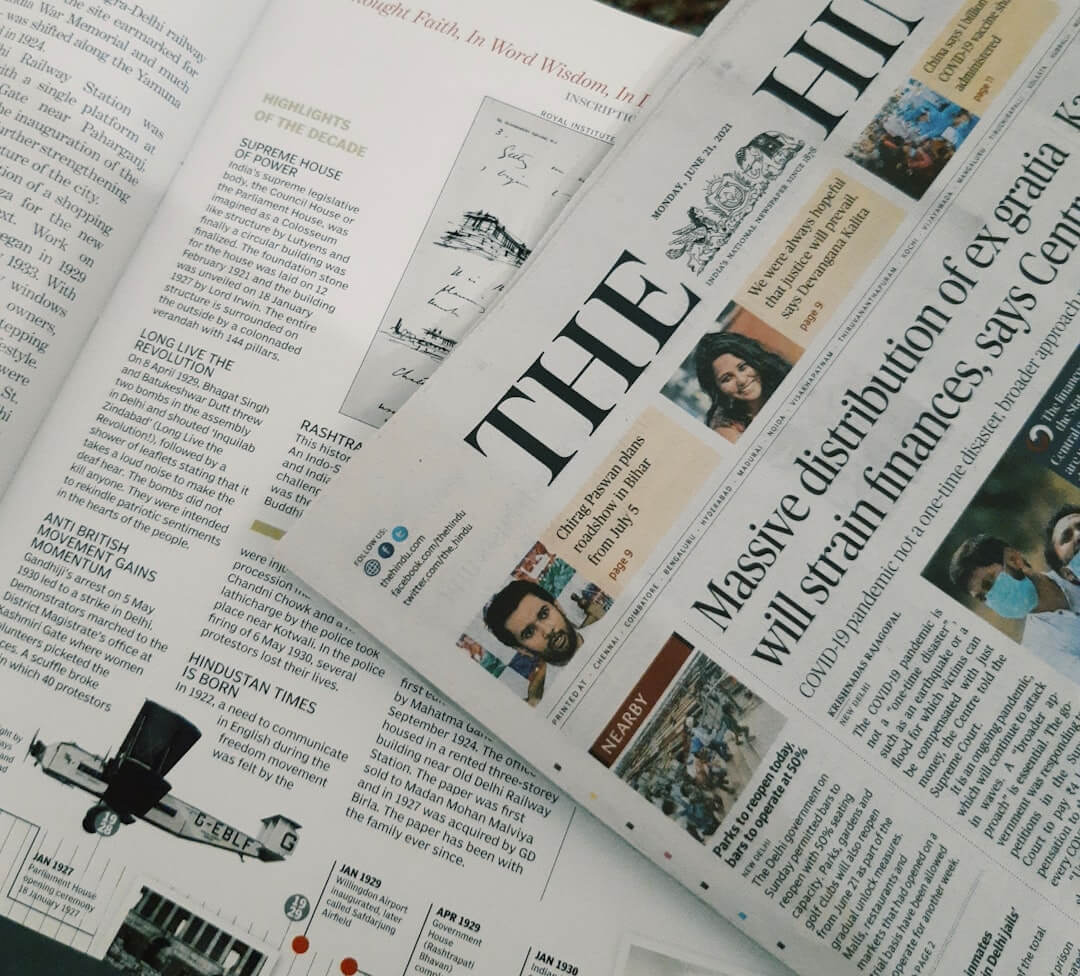 The price of press release distribution is shaped by service layers, not just reach. A low headline price can still become expensive if the release needs rewriting, gets rejected, or produces no meaningful visibility.
Most costs fall into five practical buckets. If you know these, pricing becomes much easier to judge.
- Writing or editing: drafting the release, tightening the angle, fixing structure
- Distribution: sending the release into a publication and syndication network
- Media formatting: links, images, quotes, boilerplate, contact details
- Compliance review: checking the topic, claims, and business type are acceptable
- Reporting: delivery reports, placements, traffic indicators, and engagement data
Reporting matters more than many brands realise. Muck Rack states its distribution includes reach to 70,000+ media outlets, 1M+ financial desktops, and distribution across 158 countries, alongside reporting on views, traffic, placements, and audience segmentation.
Performance claims should be read carefully. One large legacy provider states it delivers a minimum 2x more search visibility and reaches 500K+ media outlets, newsrooms and influencers worldwide, but that is still a platform claim rather than an independent benchmark.
How to budget for press release distribution by goal
 The right budget depends on what you want the release to do. A launch announcement, funding story, product update, and reputation-building campaign do not all need the same level of distribution.
Budgeting by goal is smarter than budgeting by package name. Package names tend to sound like rejected energy drink brands.
| Goal | Sensible budget approach | What to prioritise |
|---|---|---|
| Basic announcement | Lower-cost distribution | Clean copy, correct formatting, approval speed |
| Brand visibility | Mid-range distribution | Outlet quality, indexing, branded search presence |
| Investor or business credibility | Mid to higher budget | Strong editorial standard, business-news fit, reporting |
| Ongoing PR programme | Monthly or repeated budget | Consistency, repeat visibility, measurable output |
If your goal is credibility, the release itself must carry real news value. Distribution cannot rescue a weak announcement any more than a nice frame can rescue a dreadful painting.
If your goal is search visibility, consistency matters. One decent release can help, but repeated announcements tied to genuine milestones often create stronger branded search signals over time.
- Set a per-release budget rather than an annual wish
- Reserve extra spend for writing and proof assets
- Treat measurement as part of the cost, not a bonus
- Only pay for distribution when the announcement is genuinely newsworthy
What a realistic cost looks like for small and growing brands
 Most small and growing brands should think in ranges, not absolutes. The practical question is not “what is the cheapest option” but “what level of visibility is worth paying for right now”.
At the lower end, brands may spend under $100 for basic submission-style distribution. At the mid-range, they may spend a few hundred dollars when editorial support, stronger review, or wider publication visibility are included.
That makes total campaign cost larger than the distribution fee alone. If you also need writing, approvals, executive quotes, images, landing page updates, or follow-up outreach, the real spend rises quickly.
| Cost component | Typical effect on total spend |
|---|---|
| Distribution only | Lowest entry point |
| Distribution + editing | Better readability and approval odds |
| Distribution + strong media assets | Better pickup and audience trust |
| Ongoing monthly use | Better consistency, larger cumulative spend |
This is why press release pricing can feel slippery. Two brands may each say they spent $199, while one bought a decent result and the other bought a published shrug.
How to avoid overpaying for press release distribution
 Overpaying usually happens when brands buy promises instead of process. If the service cannot explain what is included, what is reviewed, and what reporting you receive, caution is sensible.
The safest approach is to audit the workflow before you buy. Ask what happens before submission, where the release can appear, what gets rejected, and what the final report includes.
- Ask for clear package inclusions and turnaround times
- Check whether writing help is included or extra
- Confirm whether you receive a delivery report afterwards
- Review topic requirements before submitting regulated or sensitive content
- Avoid treating raw syndication numbers as the whole story
A practical example is checking a sample report before ordering. BrandPush publishes a sample delivery report so brands can see the sort of output and visibility evidence they will receive.
It also helps to review whether your business type is acceptable before preparing a release. BrandPush lists accepted business types and topic requirements, which can save time, rewrites, and preventable rejection 😌
When spending more makes sense
 Higher pricing makes sense when the announcement carries commercial weight. Product launches, funding news, partnerships, acquisitions, and major hiring announcements usually justify more care and better placement support.
Spending more can also make sense when internal time is scarce. If your team has no appetite for formatting, revisions, or chasing approvals, done-for-you support can be cheaper than losing a week to administrative theatre.
This is where service design matters. A provider such as BrandPush can make sense when the goal is to get a business announcement distributed through a managed process without assembling the whole machine yourself.
Extra spend should still map to a measurable outcome. Good reasons include stronger publication visibility, cleaner reporting, faster turnaround, and less internal effort, not vague talk about exposure for exposure’s sake.
How to decide if the cost is worth it
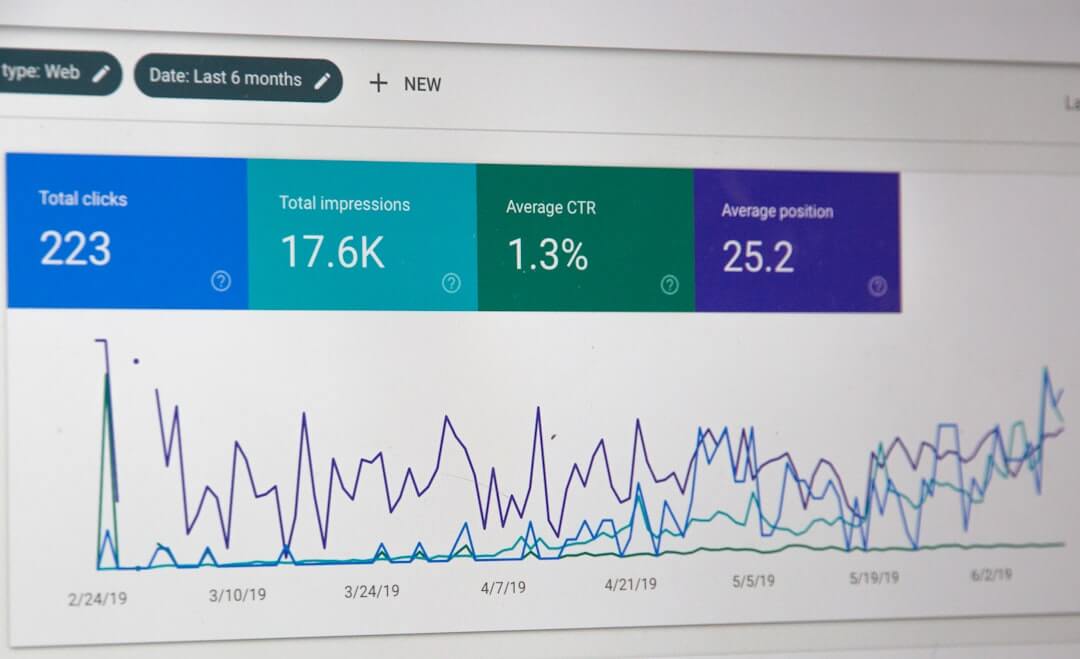 Press release distribution is worth the cost when the announcement supports a real business objective. That could be credibility, search visibility, investor communication, partner validation, launch support, or content amplification.
It is not worth it when the release exists only because someone on the team said “we should do some PR”. Those are expensive words in any economy.
A simple decision test can help. If the story is timely, specific, evidence-backed, and useful to customers or stakeholders, distribution may be worth funding.
- Is there actual news? A release needs a clear reason to exist.
- Is the message credible? Include proof, data, names, and specifics.
- Will publication help a business goal? Link the release to search, trust, sales support, or awareness.
- Can you measure the result? Use placements, branded search, referral traffic, and follow-on mentions.
If you need help strengthening the release before it goes out, sort that first. BrandPush has a useful press release writing guide for tightening structure and making the story more publishable.
The headline lesson is straightforward. Press release distribution cost is only sensible when the release is good enough to deserve distribution in the first place.
Press release distribution cost in 2026 is less about finding a magical average and more about understanding what you are buying. If the release is timely, credible, and tied to a clear goal, paying for managed distribution can be entirely sensible, especially when reporting and editorial support are included.
For brands that want a practical route to publication without turning PR into a second job, BrandPush fits neatly into that gap.
Frequently Asked Questions
How much does press release distribution cost?
Press release distribution can cost from under $100 to several hundred dollars per release, depending on service level and reach. Public pricing examples in the supplied research range from $49 to $479.
Why is press release distribution sometimes so cheap?
Lower-cost options often provide basic submission and syndication with limited editorial support. That can be fine for simple announcements, but it usually means less review, less guidance, and less context in reporting.
Does paying more guarantee better results?
No, because distribution quality cannot rescue a weak story. Higher spend can improve support, placement quality, and reporting, but the release still needs a genuine news angle.
What should be included in the price?
A sensible package should explain formatting, editorial checks, distribution scope, and post-publication reporting. If those details are vague, the quoted cost tells you very little.
Is writing included in press release distribution?
Sometimes, but not always. Many services price writing, editing, and distribution separately, so brands should check whether the quoted fee covers copy support or just publication.
How do I know if a press release is worth paying to distribute?
Ask whether the story is timely, specific, and commercially relevant. If it supports a real launch, milestone, partnership, or credibility goal, distribution is more likely to be worth the spend.
Can press release distribution help SEO?
It can support search visibility, branded search, and citation signals, but it should not be treated as a shortcut link tactic. The value usually comes from discoverability and secondary coverage rather than direct ranking magic.
What metrics should I look at after distribution?
Look for placements, indexing, branded search lift, referral traffic, engagement signals, and any follow-on mentions. A delivery report should help you see what actually happened rather than rely on optimistic feelings.
Is one press release enough?
Sometimes, if the announcement is genuinely strong. For ongoing visibility and brand recognition, a consistent programme tied to real milestones usually works better than a one-off burst.