What Does a Press Release Distribution Comparison Actually Tell You?
Quick answer: A press release distribution comparison is only useful if it helps you match a service to your actual goal, budget, and quality requirements. Price alone tells you very little, because distribution outcomes depend on newsworthiness, editorial standards, and where your release can realistically appear. Most brands should compare fit, process, approval standards, reporting, and expected outcomes, not just the cheapest number.
What should you compare in a press release distribution comparison?
 The wrong comparison starts with logos and ends with regret. The useful version starts with what you need the release to do.
A sensible comparison framework looks at objective factors such as pricing, editorial review, publication reach claims, turnaround time, reporting, and content support. That is less glamorous than a shiny badge wall, but it is also how adults avoid wasting money.
- Goal fit: brand awareness, investor visibility, product launch exposure, or search support
- Editorial process: whether your release is checked, rejected, or improved before distribution
- Reporting: whether you receive a delivery report you can actually use internally
- Timeline: how quickly the release is reviewed and published
- Content support: whether you get help with headlines, structure, or templates
Why price is only one part of the picture
 Cheap is not automatically efficient. Expensive is not automatically credible either.
Available public pricing shows a very wide spread across the market. Some traditional providers reportedly start at $600 to $900+ per release, while lower-cost platforms can start from $49 to $110 based on package level and add-ons.
| Provider type | Public starting price range | What that tells you |
|---|---|---|
| Legacy provider tier | $600-$900+ | Higher entry price does not guarantee a better fit |
| Mid-range platform tier | $230-$350+ | Often used by brands wanting more support without enterprise pricing |
| Budget platform tier | $49-$110+ | Lower cost can work, but quality control matters a lot |
The pricing spread is real, but the meaning is often fuzzy. Publicly available figures include examples such as $900+, $800+, $600+, $350+, $230, $110, $99, and even $49 per release, depending on platform and package structure.
What matters is cost relative to outcome. If your release is weak, badly formatted, or aimed at the wrong audience, paying more simply means you have funded a more expensive disappointment 🙂
Which metrics matter most when comparing options?
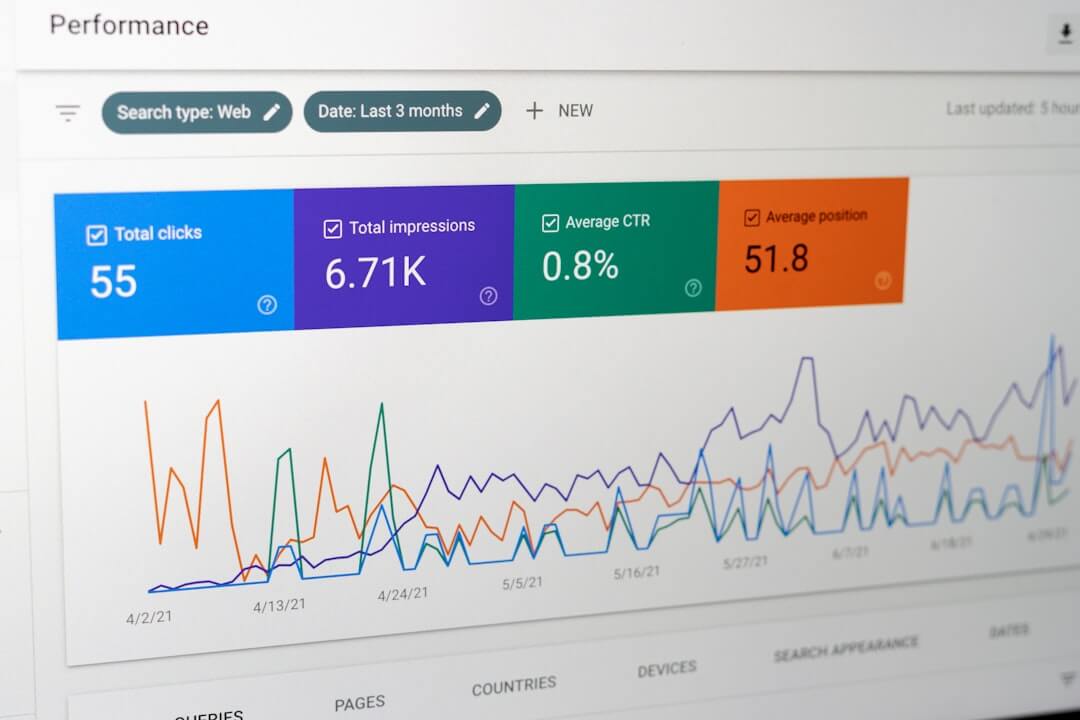 Vanity metrics are PR’s favourite magic trick. They look impressive right up until someone asks what happened next.
There is no reliable cross-industry data here on readership for outlets often named in press release conversations, and there is also no reliable universal ROI study proving one distribution model always performs best. That means brands should be cautious with grand claims about guaranteed traffic, authority, or rankings.
The safer metrics are operational and observable. Compare what you can verify rather than what sounds nice on a sales page.
- Approval rate and editorial standards: Does the service accept almost anything, or apply quality checks?
- Turnaround time: Can you publish when timing matters, such as launches or funding news?
- Delivery reporting: Can you show stakeholders where the release went?
- Content readiness: Do you have guidance on structure and headline quality?
- Outcome alignment: Did the release support awareness, credibility, search visibility, or lead generation?
This is where realistic providers stand out. If a service explains limitations clearly, that is usually a healthier sign than one promising instant fame before lunch.
For brands that need help with structure before distribution, BrandPush offers a practical route with tools such as its press release writing guide and done-for-you submission workflow through the order form. That is useful when the real problem is not access to distribution, but getting the release into publishable shape.
How do you compare distribution options by goal?
 Different goals need different comparisons. A product launch, a funding announcement, and a local business milestone should not be judged with the same yardstick.
A goal-first comparison stops you paying for the wrong thing. It also prevents the classic marketing error of wanting backlinks, leads, credibility, awareness, and media buzz from one small announcement with no evidence attached. Ambition is admirable, but it is not a targeting strategy.
| Goal | What to compare first | What to ignore first |
|---|---|---|
| Brand awareness | Outlet visibility, turnaround, reporting | Fancy jargon about SEO impact |
| Search support | Indexing likelihood, branded search lift, secondary citation potential | Promises of direct ranking jumps |
| Investor or corporate news | Compliance-friendly formatting, speed, clarity | Lifestyle-style exposure claims |
| Small business credibility | Budget, quality control, proof of delivery | Enterprise-style feature bundles |
If your goal is search visibility, clarity matters more than hype. We have already covered adjacent ground on the BrandPush blog in What Is Answer Engine Optimization and How Should Brands Use It in 2026?, and the same principle applies here: structured, factual content is easier for search engines and AI tools to understand.
What red flags should brands watch for?
 A bad comparison often hides a bad buying decision. The warning signs are usually there long before the invoice lands.
Claims around guaranteed ROI, guaranteed SEO gains, or universal media impact should be treated carefully because the evidence base is thin. In the research provided here, there is no reliable industry-wide data on press release ROI, backlink value benchmarks, or direct SEO effect that can support sweeping promises.
- Huge reach claims without methodology
- Traffic promises with no source data
- SEO guarantees based on distribution alone
- No mention of editorial review or acceptance standards
- Reporting that lists placements but not the publication context
You should also watch for muddy pricing. A low headline fee can become much less charming if every useful feature appears three checkout steps later like a surprise tax bill.
If you are preparing copy yourself, BrandPush also provides 15 free press release templates to tighten structure before submission. That can make comparisons fairer, because you are testing services with a stronger input rather than blaming distribution for a weak draft.
What is a practical way to make the final decision?
 The best decision is usually the least theatrical one. You want a service that fits your goals, your budget, and the quality of the story you actually have.
Start by scoring each option against a short checklist. If a provider cannot explain how submission, review, delivery, and reporting work in plain English, that is not sophistication, it is fog.
- Define the purpose of the release in one sentence.
- Set a real budget with a maximum cost per release.
- Check content readiness before paying for distribution.
- Review the reporting format you will receive afterwards.
- Judge claims conservatively where reliable third-party data is missing.
- Choose the option that matches your use case, not the one with the loudest headline.
For many small and mid-sized brands, simplicity wins. A straightforward service with transparent packages, realistic expectations, and clear deliverables often does more good than an elaborate platform built for needs you do not have.
If you want a practical example of what reporting looks like after distribution, BrandPush publishes sample reports for its Growth package. That helps buyers compare the part many sales pages skim past, namely what you actually receive when the release is out in the wild.
A press release distribution comparison should reduce uncertainty, not add more glitter to it. Compare on goals, process, and verifiable outputs, then spend accordingly.
That is the sensible way to choose without getting distracted by price theatre or vague reach claims. BrandPush fits neatly into that approach for brands that want a done-for-you option with transparent workflow and realistic expectations.
Frequently Asked Questions
What is a press release distribution comparison?
A press release distribution comparison is a structured way to evaluate distribution options based on factors like price, editorial standards, turnaround, reporting, and goal fit. It is most useful when it helps you choose a service that matches a specific outcome rather than a vague desire for publicity.
Is the cheapest press release distribution option the best value?
Not necessarily. Best value means the service supports your goal at a sensible cost, and that depends on content quality, review standards, and reporting, not just the entry price.
Are expensive distribution services always better?
No. Higher prices can reflect broader infrastructure or legacy positioning, but they do not automatically mean better results for every business or story.
What should small businesses compare first?
Small businesses should usually compare budget, editorial support, turnaround time, and proof of delivery first. Those factors tend to matter more than enterprise-style extras that sound impressive but rarely change the outcome.
Can distribution alone guarantee SEO results?
No. There is no reliable universal evidence showing that distribution alone guarantees rankings, traffic, or backlink value, so any such claim should be treated cautiously.
How many services should I compare before choosing?
Usually three to five is enough. Fewer can leave blind spots, while more often turns the process into a spreadsheet hobby with diminishing returns.
What is the most important metric to compare?
The most important metric is goal alignment. If the service does not fit what you need the release to achieve, every other feature is secondary.
When is a lower-cost option perfectly reasonable?
A lower-cost option can be sensible when your release is well written, your expectations are realistic, and you mainly need efficient distribution with clear reporting. It is less sensible if your story needs heavy editorial shaping before it is ready for publication.