Why Getting Featured on Business Insider Matters in 2026
Quick answer: To get featured on Business Insider can matter because the publication offers 67.8 million visits in the cited Similarweb data and an estimated 45.9 million organic Google visitors in June 2026. That combination can improve brand trust, search visibility, and referral attention, but only if the story is genuinely newsworthy and distributed sensibly.
Why Business Insider still carries weight
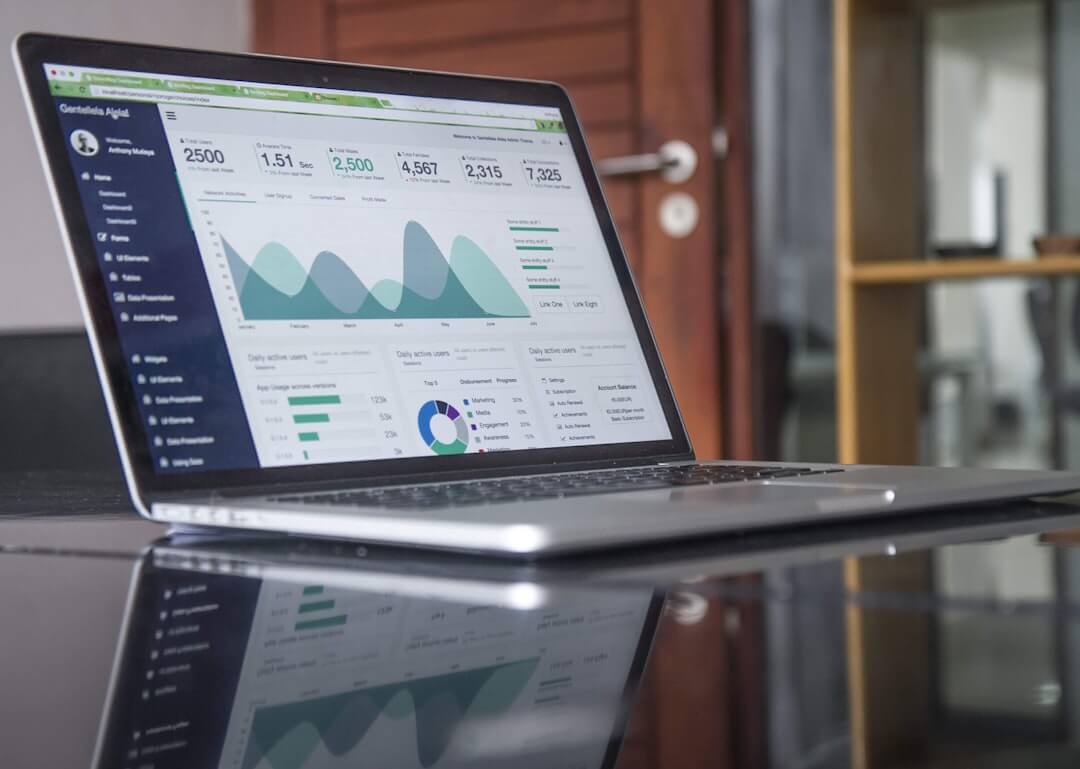 Business Insider still signals credibility. Readers, journalists, investors, and searchers tend to treat well-known publication mentions as a shortcut for trust.
The audience scale is hard to ignore. Similarweb reports 67.8M total visits for Business Insider, while site stats data estimates 45,853,493 organic visitors from Google in June 2026 alone.
- Large reach can create immediate visibility
- Recognisable branding can improve perceived legitimacy
- Search presence can extend discovery beyond the day of publication
What brands actually gain from a feature
 A feature is not magic, but it is useful. The value usually comes from reputation effects first and traffic effects second.
Brand mentions shape buying behaviour. When prospects see your company associated with a major publisher, your homepage, product pages, and sales conversations often work a bit less like a cold audition and a bit more like a warm introduction.
Here is where the upside usually shows up:
| Benefit | What it can help with | What to expect realistically |
|---|---|---|
| Trust | Social proof on site and decks | Better conversion confidence, not instant sales |
| Discoverability | More branded searches and referral visits | Spikes vary by story quality and timing |
| Authority | Stronger perception with media and partners | Useful for fundraising, hiring, and B2B outreach |
| Content reuse | Add logos, links, and quotes to assets | Long shelf life if used well |
The SEO angle is indirect rather than guaranteed. Business Insider has a cited domain rating of 92 and ranks for 4,191,464 keywords, which tells you the site is very visible in search, but it does not mean every mention will pass meaningful ranking value to your website.
Why this matters more in AI search
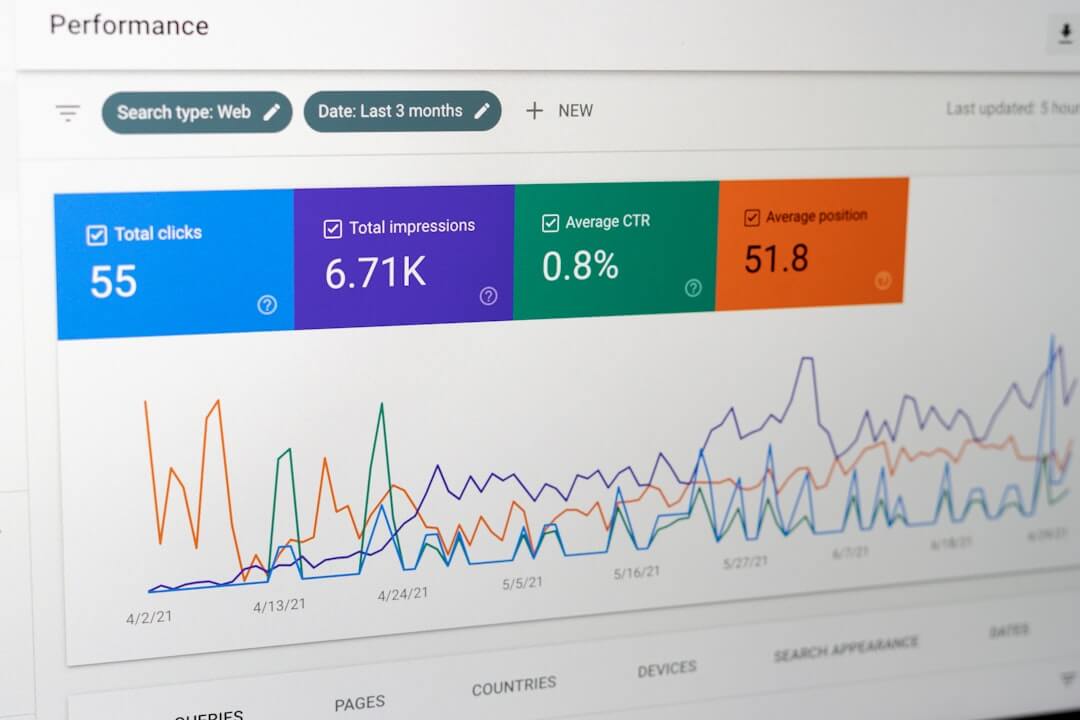 AI answer engines reward recognised sources. When ChatGPT, Perplexity, and Google AI Overviews assemble answers, they tend to favour publications with strong authority and broad indexation.
That makes mainstream media mentions more useful than they used to be. A credible feature can support your brand’s digital footprint across search, citations, and entity recognition, even when the immediate traffic bump is modest.
- Authority signals help your brand look established
- Repeated mentions across reputable sites improve recognisability
- Structured news coverage gives AI systems something clear to cite
This is why discoverability has become a layered game. You are no longer optimising for only one blue link on Google and hoping for the best 🙂
For brands thinking about broader visibility, the BrandPush blog covers related tactics around media coverage, search, and distribution.
What it really takes to get featured on Business Insider
 Strong stories beat weak promotion. If the angle is dull, no amount of polishing will save it from becoming inbox wallpaper.
Most successful placements have a clear news hook. That might be funding, data, a launch with broader relevance, a major partnership, executive insight tied to a trend, or original commentary on something people are already searching for.
A workable checklist looks like this:
- News value: Is this timely, surprising, useful, or significant?
- Specificity: Are there numbers, names, dates, and evidence?
- Audience fit: Would a business audience care without being bribed with snacks?
- Asset quality: Do you have a clean press release, headline, quotes, and landing page?
Distribution matters after the story is right. A done-for-you service like BrandPush can help brands place professionally written or polished releases across wide media networks when they have a credible announcement and want efficient execution.
If you need help shaping the announcement itself, this guide on how to write a press release is a useful place to start.
What it costs and where brands misread the economics
 PR spend varies wildly. The cited 2026 pricing data says press release distribution ranges from free to about $5,000 per release, with most businesses spending $49 to $800 per release.
Enterprise-level distribution can start around $1,000 once membership fees and add-ons are included. That is where many teams discover that “simple distribution” has somehow acquired the financial posture of a small kitchen renovation.
The economics look roughly like this:
| Cost tier | Typical use case | Notes |
|---|---|---|
| $49 to $800 | Most small and mid-sized campaigns | Common range cited in 2026 pricing guide |
| Around $1,000+ | Enterprise-style distribution with add-ons | Often includes extra fees and broader packaging |
| Up to $5,000 | High-touch or heavily customised campaigns | Usually not necessary for every announcement |
Cost does not equal outcome quality. Paying more can buy workflow, reach, or extras, but it cannot manufacture genuine newsworthiness.
This is where planning beats panic. Brands should budget for writing, approvals, landing page updates, and post-publication reuse, not just the act of pushing a release into the world and hoping it learns to swim.
For broader budgeting context, external pricing summaries from Prezly and PR Gun show how distribution costs can escalate once add-ons are involved.
How to make a Business Insider mention work harder
 Coverage is only useful if you use it. Many brands win a feature and then leave it floating in the internet void like an abandoned office chair.
Post-publication activation is where the compounding happens. Add the mention to your homepage, sales deck, investor materials, founder bio, outreach sequences, and relevant landing pages.
A simple activation plan includes:
- Update your website with a press or “featured in” section.
- Share the coverage on LinkedIn, email, and owned channels.
- Reference the mention in sales conversations and partnership outreach.
- Build related content that supports the same topic cluster.
Internal reuse improves ROI even without huge referral traffic. One respected mention can strengthen several downstream touchpoints at once 🔍
If you are preparing a release, this resource on creating the perfect press release headline can help improve open rates and editorial clarity.
What realistic expectations look like in 2026
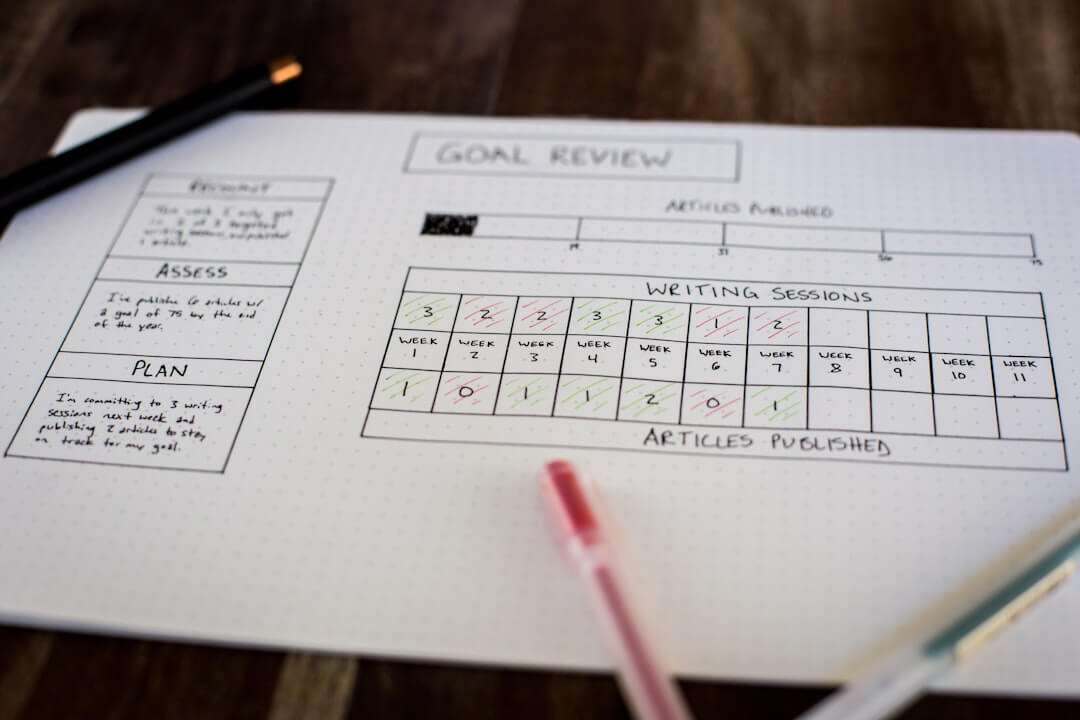 A feature is a signal, not a business model. It can support trust, discoverability, and content credibility, but it will not rescue a weak offer or fix confused positioning.
The best outcomes come from repeated visibility. Brands that benefit most usually combine quality releases, strong onsite messaging, sensible SEO, and ongoing digital PR rather than treating one mention as a lottery ticket.
Here is a practical expectation framework:
- Best case: trust lift, referral traffic, branded search growth, and reusable proof
- Typical case: useful credibility asset with moderate visibility
- Poor case: little effect because the story, site, or follow-up was weak
Consistency usually beats spectacle. That is less romantic than the startup version of a red-carpet entrance, but much better for actual growth.
Getting featured on Business Insider matters because it combines audience scale, recognisable trust, and search visibility in one place. Used properly, it becomes a durable credibility asset, and services such as BrandPush can help brands distribute credible announcements efficiently without turning the process into a part-time administrative hobby.
Frequently Asked Questions
Is it hard to get featured on Business Insider?
Yes, because editorial standards and news value matter. A brand needs a timely, relevant angle rather than a generic promotion dressed up as news.
Does a Business Insider feature help SEO?
It can help indirectly through authority signals, brand searches, and citation value. There is no reliable current study proving a fixed SEO ROI from this type of coverage.
How much traffic can a Business Insider mention generate?
It varies widely by story topic, placement, headline, and timing. What is clear is that Business Insider has 67.8M total visits in the cited Similarweb data, so the visibility potential is substantial even if referral traffic is uneven.
Is a press release enough to get featured on Business Insider?
No, a press release is usually one asset, not the whole strategy. The underlying announcement, timing, and relevance to the outlet’s audience matter more.
What kind of businesses benefit most from Business Insider coverage?
Brands with clear news hooks, such as funding news, data, product launches, partnerships, or founder expertise, tend to benefit most. B2B companies, startups, fintech firms, and growth-stage brands often get strong credibility value from recognisable media mentions.
How much should brands budget for distribution?
The cited 2026 pricing guide says most businesses spend $49 to $800 per release. More complex campaigns can rise to around $1,000 or more once extra services and add-ons are included.
Should small businesses try to get featured on Business Insider?
Yes, if they have a credible announcement and clear reason the audience should care. No, if the plan is simply to publish something vague and hope reputation appears by magic.
What should brands do after they get featured?
Repurpose the mention across your website, sales materials, social channels, and outreach. The publication itself is useful, but the follow-up determines how much commercial value you actually extract from it.