Is It Worth Trying to Get Featured on Business Insider in 2026?
Quick answer: Trying to get featured on Business Insider can still be worth it in 2026, but only if you want credibility, brand visibility, and reusable media proof, not guaranteed sales. Reported audience estimates still show roughly 40.5 million visits in July 2026 and about 26 million unique visitors in one September 2026 estimate, even though other reporting suggests Business Insider’s year-to-date unique viewers have dropped sharply from its 2021 peak.
Why brands still care about Business Insider
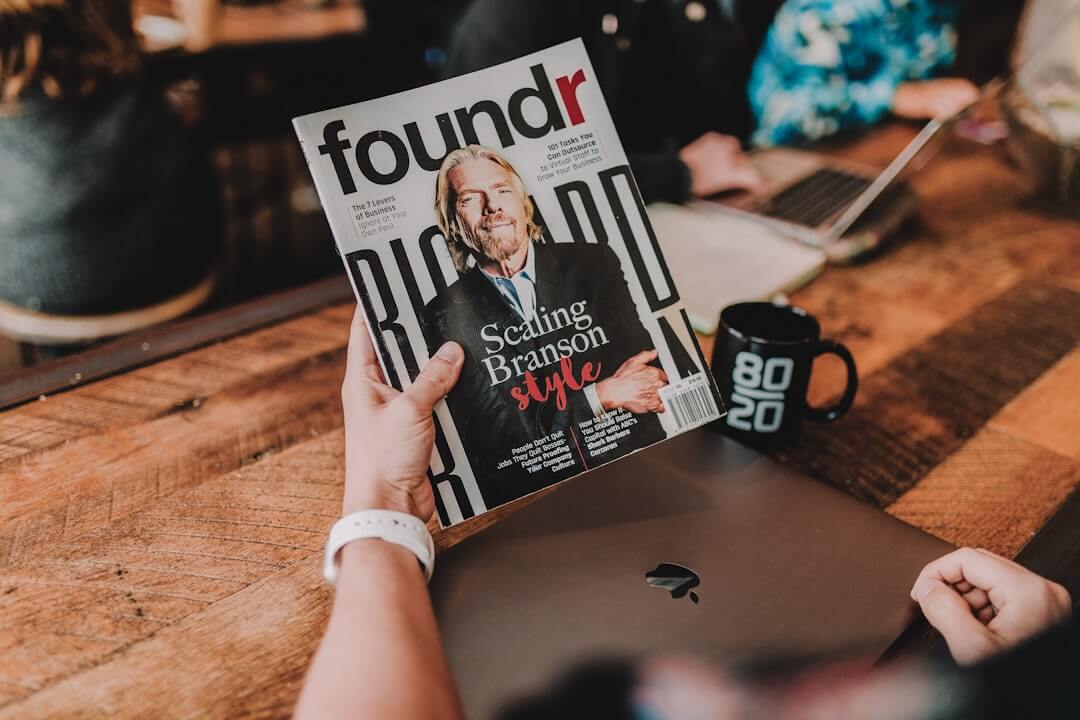 Business Insider still carries signal value. A mention there can help with trust, investor perception, partner conversations, and conversion support long after the article or syndication page goes live.
Big publication logos still do a lot of heavy lifting. Prospects often do not inspect referral data with monk-like discipline, but they do notice recognisable media names on a homepage or pitch deck.
- Credibility for buyers, investors, and partners
- Social proof for landing pages and outbound sales
- Repurposing value across ads, email, and investor materials
What the 2026 audience data actually says
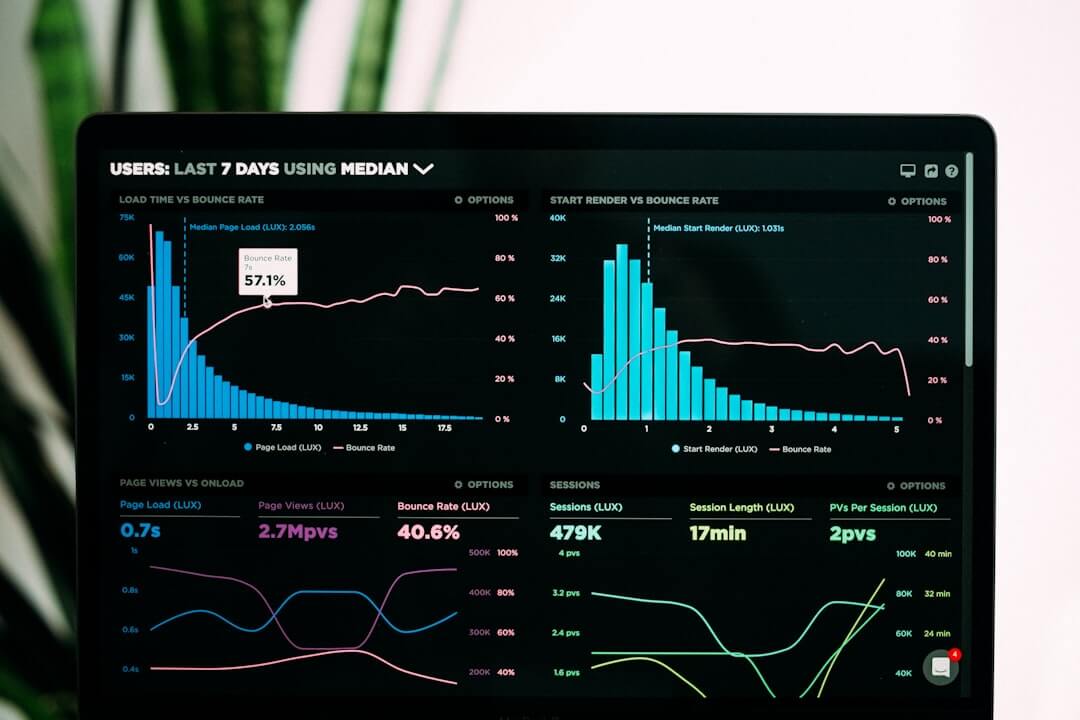 The audience is still large, but the trend is messier than marketers would like. Semrush reported about 40.53 million visits to Business Insider in July 2026, with an average session duration of roughly 4:52.
Other estimates tell a slightly different story. A September 2026 readership estimate put the publication at roughly 40.5 million visits and about 26 million unique visitors, while a separate media analysis said average monthly unique viewers were closer to 21 million year-to-date in 2026, down 78% from a 2021 peak of 95 million.
| Metric | 2026 estimate | Source type |
|---|---|---|
| Monthly visits | 40.53 million | Semrush, July 2026 |
| Unique visitors | 26 million | September 2026 readership estimate |
| Avg. session duration | 4:52 | Semrush, July 2026 |
| Year-to-date unique viewers | 21 million | September 2026 media analysis |
| 2021 peak unique viewers | 95 million | September 2026 media analysis |
The sensible reading is that reach remains meaningful, but not magical. If your internal forecast assumes one placement will send a stampede of perfect leads, the spreadsheet needs a quiet word with itself.
When it is worth trying to get featured on Business Insider
 It is worth pursuing when the coverage serves a wider business goal. The best use cases are usually fundraising support, launch credibility, hiring visibility, partner trust, and search presence, not instant attribution.
It makes less sense when the story is weak or purely self-congratulatory. “We exist” is not news, and neither is “our founder had a coffee and some thoughts” 🙂
- You have a real announcement such as funding, expansion, research, hiring, or product news
- You need credible third-party validation for a commercial process already in motion
- You can reuse the coverage across sales enablement, paid campaigns, and PR pages
- You understand that reach does not equal ROI
What you should not expect from one feature
 A feature is an asset, not a miracle. No reliable audited study in the gathered research quantified press release ROI, SEO impact, or distribution effectiveness for this exact goal, so any hard promise would be theatre.
That means honest expectations matter. You may get stronger brand recall, better conversion support, and useful trust signals, but you should not treat one placement as a guaranteed lead machine.
This is where many teams go wrong. They measure only last-click traffic, ignore downstream effects, and then declare PR useless five days later, which is a bit like planting seeds and then criticising the garden by Thursday.
How to judge whether the effort fits your budget
 Budget fit matters because PR costs vary wildly. Across the market, gathered pricing references for distribution ranged from around $99 at the low end of basic packages to $2,500+ for broader national-style distribution through legacy providers.
That spread changes the decision more than most brands admit. If your total marketing budget is tight, you need to know whether you are buying reach, reporting, editorial handling, or simply expensive nostalgia.
| Distribution pricing reference | Reported range |
|---|---|
| Basic lower-cost packages | $99 to $149 |
| Mid-range package references | $289 to $489 |
| National-style distribution references | $805+ to $2,500+ |
The practical question is not “can I afford a release?” but “can I support the release properly?” A decent angle, a sharp headline, a usable quote, and a clean company page often matter more than splashing cash at a vague ambition.
If you want a done-for-you route, BrandPush can help brands distribute a properly structured release to major outlets and syndicated networks without turning the process into a second job. It is most useful when you already have a credible announcement and want speed, simplicity, and clear reporting.
What gives you a realistic chance of pickup or useful syndication
 Strong inputs improve outcomes. Whether your goal is direct editorial attention or broad syndication that builds visibility and proof, the release still needs a story with a pulse.
News value beats hype every time. Journalists and editorial systems are allergic to padded corporate waffle, and frankly they should be.
- Lead with the actual news in the first paragraph
- Use a headline that is specific, clear, and timely
- Include numbers, dates, names, and stakes
- Add one strong founder or executive quote that sounds human
- Link the story to a wider trend, market shift, or customer problem
Preparation usually decides whether distribution helps or merely circulates mediocrity. If you need to tighten the copy first, BrandPush has a useful press release writing guide and a separate guide on how to create the perfect press release headline.
How to measure success without fooling yourself
 Good PR measurement is broader than clicks. If you are trying to get featured on Business Insider, sensible KPIs include referral traffic, assisted conversions, branded search lift, sales-team usage, investor response, and homepage trust performance.
Qualitative evidence counts too. If prospects mention the feature on calls, recruiters reference it, or conversion rates improve on pages where the logo appears, that is business impact even if analytics cannot wrap it in a neat little bow.
- Track referral sessions and on-page engagement
- Monitor branded search trends before and after launch
- Compare conversion on pages with and without media logos
- Ask sales teams whether the coverage helps in live conversations
- Save the asset for email nurture, retargeting, and investor materials
External SEO research consistently supports the wider role of authority and links, but not magical shortcuts. Resources from Ahrefs and Moz are useful for understanding how authority signals, brand mentions, and earned links can support search visibility over time.
A sensible 2026 strategy for brands that want the logo and the leverage
 The smartest approach is to treat Business Insider as part of a visibility system. That means combining a real announcement, solid distribution, on-site conversion readiness, and post-coverage reuse.
One placement rarely does everything by itself. A stronger plan is to publish the news, distribute it well, reuse the proof, support it with search-friendly content, and keep your messaging consistent across channels 🔍
- Create a release around a real event or milestone.
- Make sure your website can convert the attention you earn.
- Distribute through a service that gives you reach and reporting.
- Reuse any coverage or syndication in sales, paid, and investor workflows.
- Review outcomes after 30 to 90 days, not just the first afternoon.
That is usually how PR becomes useful rather than decorative. If the announcement is thin, wait until the story improves, because no amount of polishing can make a non-event feel important for long.
Trying to get featured on Business Insider is still worth it for many brands, but only when the story is strong and the expectation is realistic. The real value often sits in credibility, reuse, and trust, and that is exactly where a practical distribution partner like BrandPush fits best.
Frequently Asked Questions
Is Business Insider still worth targeting in 2026?
Yes, for many brands it still is. Reported 2026 audience estimates remain substantial, even though some analyses show a significant decline from earlier peak traffic.
How hard is it to get featured on Business Insider?
It is difficult if your announcement lacks genuine news value. A stronger angle, clear data, and useful context improve your chances far more than hype does.
Does a Business Insider feature guarantee sales?
No, and that is the wrong expectation. It can support trust, conversion, and brand recall, but there is no reliable audited dataset showing guaranteed ROI from one feature.
Is syndication the same as editorial coverage?
No. Syndication means a release is republished across media networks or partner sites, while editorial coverage usually involves direct newsroom selection or reporting.
What kind of stories are most likely to work?
Funding, launches, expansion, new research, major partnerships, and timely market commentary tend to be more useful than generic company updates. Specific numbers and a clear public angle help.
Should small businesses try to get featured on Business Insider?
Sometimes, yes. It makes the most sense when the business has a credible announcement and a plan to reuse the coverage in sales, investor, or trust-building contexts.
How much should I budget for press release distribution?
The gathered market references ranged roughly from $99 for basic packages to $2,500+ for broader national-style distribution. What matters is not only price, but whether the story and destination page are ready.
Does getting featured help SEO?
It can contribute to wider visibility and authority signals, but there is no reliable quantified dataset in the gathered research proving a fixed SEO uplift. Treat SEO benefit as a possible upside, not the sole reason to do it.
What should I prepare before distributing a release?
Have a clear headline, a strong first paragraph, one human-sounding quote, relevant numbers, and a landing page that can convert attention. If those basics are missing, distribution usually just spreads the problem faster.