How to Get Featured in Publications in 2026 Without Wasting Time on Weak PR
Quick answer: To get featured in publications, you need a story that is genuinely newsworthy, packaged clearly, and distributed where editors and syndication systems can actually find it. Most brands do not have a publicity problem so much as a boring angle problem. A sensible PR workflow improves your odds, but it does not turn bland company updates into front-page material.
What does it really mean to get featured in publications?
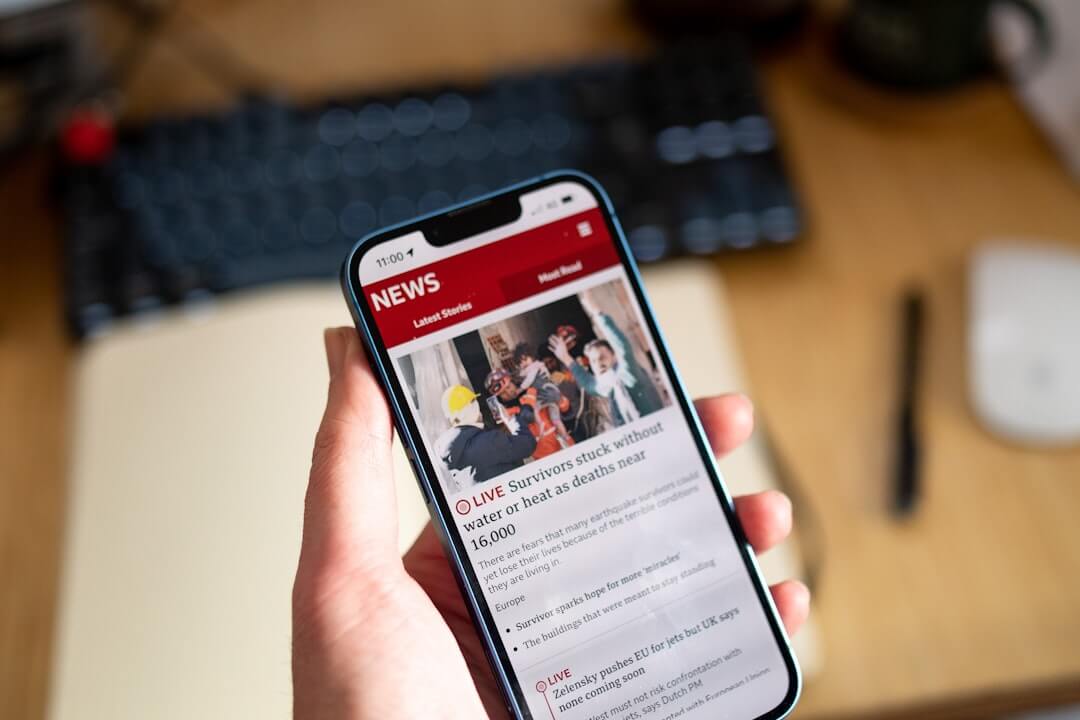 Getting featured in publications means your brand, founder, product, or announcement appears on recognised news or media sites through editorial coverage, syndication, contributed content, or quoted commentary.
Not all features are identical. A bylined article, a journalist quote, and a syndicated press release placement can all build visibility, but they serve slightly different goals.
- Editorial features build authority and can carry the most perceived credibility
- Syndicated placements help with reach, discoverability, and proof of coverage
- Expert commentary helps founders become quotable without forcing a grand announcement into existence
Start with a news angle, not a brand wish
 Journalists cover stories, not self-esteem projects. If your pitch exists mainly because you would like attention, you have already made life harder than necessary.
A strong angle answers why now. That might be fresh data, a funding milestone, a launch with market relevance, a hiring trend, a customer behaviour shift, or a founder insight tied to current events.
Here is a simple test before you pitch anything:
- Is this new within the last 30-90 days?
- Is this relevant to a real audience outside your company?
- Is this specific enough to summarise in one sentence?
- Is this useful enough that a journalist could build a story around it?
If the answer is mostly no, you probably need a better hook rather than a longer email. Brutal, but efficient.
Choose the right route to publication
 There is more than one way to appear in the media. The trick is choosing the route that matches your goal instead of chucking every tactic at the wall and calling it integrated communications.
Editorial outreach works best when you have a tailored story for a defined audience. Press release distribution works best when you need broad visibility for a legitimate announcement and want placements across multiple outlets.
| Route | Best for | What to expect | Speed |
|---|---|---|---|
| Journalist outreach | Original stories and founder commentary | Fewer placements, higher editorial selectivity | Slower |
| Press release distribution | Launches, milestones, announcements | Broader pickup and published placements | Faster |
| Contributed content | Thought leadership | More control over message, stricter publication fit | Medium |
| Reactive PR | Expert quotes on breaking topics | Short turnaround, useful for founder visibility | Fast |
Most brands need a mix. If you are announcing something concrete, distributing a press release while also pitching selected journalists is often far more sensible than treating PR like a lottery ticket.
Build a press release editors can actually use
 A usable press release saves people time. That is its main charm, and in media work, saving time is basically flirting.
Good releases are clear, factual, and easy to scan. They lead with the news, explain why it matters, include a quote that sounds human, and link to a page that does not look like it was last updated during a broadband outage.
At minimum, your release should include:
- A headline that says what happened
- A first paragraph with the who, what, when, and why it matters
- One or two quotable statements from a founder or spokesperson
- Supporting details such as numbers, dates, product facts, or rollout plans
- A short boilerplate and accurate contact information
Weak writing kills decent stories. If you need a better structure, BrandPush has a useful press release writing guide and a set of free press release templates that can help you avoid the usual waffle.
Make your story easy to trust
 Credibility is a distribution asset. Editors, readers, and automated news systems all respond better when your claims are precise and supported.
Specific numbers beat sweeping adjectives. “Reduced onboarding time by 37% across 1,200 users” is stronger than “massively improved customer experience”, which sounds like it was approved by committee after biscuits ran out.
Use this credibility checklist before you send anything:
- Include verifiable names, dates, and figures
- Link to the exact product, report, or company page mentioned
- Avoid unsupported superlatives such as best, leading, or number one
- Make sure your website has clear branding, contact details, and working pages
Trust signals matter beyond the release itself. Your site, spokesperson bio, LinkedIn presence, and supporting assets all influence whether a feature feels legitimate 🙂
Budget realistically if you want consistent visibility
 Media visibility has a cost, even when the coverage itself is earned. You may pay in time, writing, distribution, design, data gathering, or direct PR spend.
Pricing across the wider distribution market varies sharply. Recent 2026 pricing guides report that some traditional wire services start around $350 for basic local distribution and can exceed $10,000+ for broader or more complex releases, while other distribution platforms are listed from roughly $99.95 to $799+ depending on reach and package depth, according to Prezly and compiled 2026 pricing roundups from Online PR.
That spread tells you something important.
The question is not merely what distribution costs. The better question is what level of support, placement quality, workflow, and speed you actually need.
| Budget level | Typical use case | Likely approach |
|---|---|---|
| Under $300 | Testing basic announcement distribution | Simple release, limited extras |
| $300-$800 | Small business launch or milestone | Distribution plus cleaner formatting and targeting |
| $800+ | Higher-stakes launches or repeat campaigns | Broader support, stronger workflow, more consistent output |
If you want a streamlined option for broad publication visibility, BrandPush is designed to help brands distribute news and secure placements on major outlets without building an in-house PR machine from scratch.
Improve your chances of pickup after distribution
 Distribution is not the end of the job. It is the start of the part where you prove you were serious.
Follow-through creates better outcomes. Once your release is live, you can use it as a proof point in direct outreach, share it with prospects, repurpose it for social content, and build founder credibility around the announcement.
A practical post-release checklist looks like this:
- Publish the supporting landing page on your site.
- Share the release internally so sales and partnerships teams can use it.
- Pitch a tighter angle to selected journalists who cover the topic.
- Turn the announcement into short-form content, founder posts, and email updates.
- Track which placements, visits, and enquiries actually came from the campaign.
Coverage works better when it compounds. One announcement on its own may be modest, but repeated appearances can steadily improve recognition, trust, and search visibility 🔎
What mistakes stop brands getting featured?
 Most failed PR efforts are painfully predictable. That is good news, because predictable mistakes are easier to avoid than mysterious ones.
The biggest problem is usually weak positioning. Brands often confuse internal importance with public interest, then wonder why nobody bites.
Common mistakes include:
- Sending non-news as if it were urgent news
- Writing headlines full of hype and no facts
- Pitching broad lifestyle outlets with niche B2B material
- Expecting one release to deliver endless SEO, trust, and sales at once
- Ignoring the quality of the website readers land on after the feature
Realistic expectations make better campaigns. If you want a cleaner sense of how placements can support search performance over time, this guide on how BrandPush press releases rank on Google is a useful next read.
Getting featured in publications is not about finding a magical email subject line. It is about combining a credible story, clear assets, sensible timing, and a distribution method that fits the announcement.
If your brand has something timely to say, a practical service such as BrandPush can help turn that into visible published coverage rather than another neglected draft in Google Docs. That is not magic either, but it is a lot more useful.
Frequently Asked Questions
How do small businesses get featured in publications?
Small businesses usually get featured by tying announcements to something timely and relevant, then packaging the story clearly. Product launches, milestones, original data, and local or industry impact tend to work better than generic “we are excited” updates.
Do you need a press release to get featured in publications?
No, but it often helps when you have a concrete announcement. A press release gives journalists and publishers a usable summary, and it can support broader distribution at the same time.
What kind of stories are most likely to get published?
Stories with novelty, relevance, specificity, and timing tend to perform best. Launches, funding, partnerships, research, market trends, and founder commentary linked to current events are common examples.
How long does it take to get featured in publications?
It depends on the route. Syndicated distribution can lead to placements quickly, while editorial features from direct journalist outreach may take days, weeks, or not happen at all if the angle is weak.
Is getting featured in publications good for SEO?
It can support SEO indirectly through brand visibility, referral traffic, entity signals, and occasional earned links. It should not be treated as a guaranteed shortcut to rankings, because search performance still depends on your wider site quality and content.
How much should you budget to get featured in publications?
Budgets vary widely based on writing support, outreach effort, and distribution scope. Current 2026 pricing guides across the market show releases ranging from roughly $99.95 at the low end to $10,000+ for more complex or premium distribution setups.
Can any business get featured in major publications?
Not every business will suit every publication, but most legitimate businesses can improve their chances if they present a clear, credible, timely story. The more specific the value and relevance, the easier it is to place.
What should you prepare before pitching publications?
Prepare a concise angle, a short company description, founder quote, supporting facts, images if relevant, and a landing page that matches the announcement. If the site looks unfinished or confusing, the pitch becomes harder to trust.