Quick answer: Crypto press release distribution sends a blockchain, Web3, exchange, or token-related announcement to a network of news and finance sites so it gets published, indexed, and found by users, investors, and journalists. It works when the news is real, verifiable, and written like business reporting rather than token promotion, and it can’t guarantee rankings, editorial pickup, or token demand. If your project fits BrandPush’s accepted topics, a release goes out to 200+ outlets, including affiliates of Yahoo Finance and Business Insider, from $195 with your money back if the article isn’t published.
What is crypto press release distribution and how does it work?
Crypto press release distribution is the process of sending news from a blockchain, Web3, exchange, wallet, or token-related business to a network of news and finance sites, where it’s published as an article and indexed by search engines. The format is the same as any other press release.
The difference is scrutiny. Publishers, editors, and readers check crypto claims harder than ordinary business news because the category has a long record of hype, anonymous teams, and collapsed projects.
The mechanics are simpler than most founders expect. Here’s what usually happens between the first draft and live placements:
| Step | What happens | What you prepare |
|---|---|---|
| Drafting | The announcement is written up | Facts, quotes, links, boilerplate |
| Review | The distributor checks topic fit and wording | Claims, dates, legal sign-off |
| Submission | The final release goes to the network | Final copy, company details, contact |
| Syndication | Partner outlets publish the release | Images and a live landing page |
| Reporting | You receive the list of live placements | Tracking links and goals |
The hard part isn’t clicking submit. It’s preparing a release that passes review and deserves attention once it’s live. If you want the general mechanics first, here’s how press release distribution works.
One distinction runs through this whole guide. Distribution publishes your release on partner sites, while earned coverage happens when a journalist decides to write their own story. Distribution can lead to coverage, but it can’t promise it.
When does a crypto press release actually make sense?
A release makes sense when you have news that someone outside your Telegram or Discord would care about this week. A useful test: could a journalist or investor sum it up in one clean sentence without the word “ecosystem”?
The best moment is when the news becomes verifiable. That means the product is live, the funding has closed, the audit is published, or the partner has signed off. Here’s how common crypto announcements stack up:
| Announcement | Distribute now? | Why |
|---|---|---|
| Product or protocol launch that’s live | Yes | Readers can check it immediately |
| Funding round with named investors | Yes | Strong proof and business relevance |
| Completed security audit with a public report | Yes | A trust signal readers can verify |
| Regulatory or licensing milestone | Yes | High relevance, if it’s stated precisely |
| Exchange listing | Often | Works when it’s factual, with no price talk |
| Security update after an incident | Yes, carefully | Transparency matters, wording matters more |
| Partnership with no implementation detail | Not yet | Needs confirmed scope from both sides |
| Roadmap promise with no date | No | Too vague to carry news value |
| Token price commentary | No | Reads as promotion and ages badly |
Timing matters more in crypto because attention windows are short. Send the release once the landing page and assets are live, not before, and not a week after the market has moved on.
Fewer, better announcements usually win. One credible release tied to a real event does more for a Web3 brand than three vague updates about future ambitions.
How do you write a crypto press release that doesn’t look like a pump?
Write it like business reporting, not a community post. The headline states what happened, the first paragraph covers who, what, when, and why it matters, and the body backs every claim with something a reader can check.
A strong crypto release usually includes:
- A headline with the actual news, not a slogan
- A lead paragraph in plain English that a finance reporter could follow
- Proof, such as links to the live product, audit report, documentation, or filing
- One or two quotes from named executives with real titles
- Status, meaning whether the product is live, in beta, or planned
- A boilerplate with the company name, website, and where it operates
Then check the draft against the signals that make readers think “pump.” Here’s what to cut and what to use instead:
| Looks like a pump | Looks like news |
|---|---|
| Price predictions, “moon” language, or talk of returns | What launched, who can use it, and when |
| Anonymous team or pseudonymous quotes only | Named executives with titles and public profiles |
| ”Partnering with” a big name that hasn’t confirmed | Partners named only with written approval |
| Urgency to buy before a date | No calls to buy, hold, or invest |
| Unexplained jargon such as TVL, L2, or RWAs | Jargon defined on first use, or cut |
| Vague “massive growth” | A specific, checkable number with a date |
A good internal test: could a cautious reader verify the main claim in under five minutes? If not, add links or cut the claim.
Keep it tight. Most crypto releases do the job in 400 to 800 words, so include enough detail to verify the news and then stop. The BrandPush press release writing guide and headline guide cover the structure, and the press release templates give you a starting draft.
What compliance checks should you run before distributing?
Crypto announcements sit close to financial promotion, so treat the wording as a legal question as well as an editorial one. Rules on promoting tokens and crypto services differ by country, and a release that nudges people to buy can create problems a normal product launch never would.
This guide isn’t legal advice. Before anything goes out, run through this checklist:
- Get legal or compliance review if the release mentions a token, yield, staking, or a listing
- Remove price predictions, return figures, and words like “guaranteed” or “safe”
- State the company’s legal name, website, and jurisdiction
- Say clearly that any token information is informational, not investment advice
- Include risk language where readers reasonably need it
- Get partner and investor approval in writing before naming them
- Make sure any claim about a license or registration is exact and current
Distributors run their own checks too. Publishers apply tighter rules to crypto to protect their readers, and anything that resembles an investment offer may be declined outright. Check BrandPush’s accepted topics and website guidelines before you write three drafts and get attached to all of them.
Your website is part of the review. A missing About page, no contact details, an anonymous team, or a broken app link can sink an otherwise clean release.
How do you choose a crypto press release distribution platform?
Start with who needs to see the news, then pick the channel. A developer tooling update, a new market launch, and a funding round may each need different outlets.
The main options do different jobs:
| Option | Best for | Watch out for |
|---|---|---|
| Crypto-native news networks | Reaching traders, builders, and the crypto community | Readers who see dozens of announcements a day, and uneven outlet quality |
| Business and finance distribution, like BrandPush | Credibility with investors, partners, and buyers who search your name | Topic acceptance rules, and placements that aren’t earned editorial |
| Traditional wire services | Formal disclosures and broad newsroom feeds | Higher prices and add-on fees |
| Crypto PR agency | Tier-1 pitching, embargoes, and ongoing strategy | Retainers and campaign-sized budgets |
| Direct journalist pitching | Exclusives and expert commentary | Slow, unpredictable, and never guaranteed |
Whichever route you pick, ask these questions before you pay:
- Which outlets, specifically, and can I see a sample report with live links?
- Does the network accept crypto topics, and which ones?
- What happens if the release isn’t published?
- Are the outlets relevant to my audience, or is it just a big number?
Raw outlet counts are easy to market and hard to evaluate. A shorter list of relevant outlets beats a huge list nobody reads.
Sequence matters for big announcements. If the story has real editorial value, pitch a few named reporters under embargo before the release goes live, then distribute at launch. Distribute first and pitch later, and reporters receive a story that’s already everywhere.
To build that shortlist, match the story to the reporter’s beat: a licensing milestone goes to someone who covers regulation, and a protocol launch goes to someone who covers DeFi. This roundup of crypto journalists and the beats they cover is a quick place to find names. Read each reporter’s last few articles before you pitch, so you only send the story to people who’d actually write it.
BrandPush sits in the business and finance row: each release goes to 200+ outlets from a 400+ outlet network, including affiliates of Yahoo Finance and Business Insider, and is published in about 5 days, so build that into your launch plan. Every order includes a report with live links, like this sample report. For a wider comparison, see how to choose a press release distribution service.
How much should you budget for crypto press release distribution?
Budgets run from a couple of hundred dollars to tens of thousands, depending on whether you’re buying distribution or a full campaign. Prezly’s breakdown of legacy wire pricing puts local distribution at about $350 and national at about $805, with complex releases going past $10,000. Crypto-native wires and full launch campaigns with tier-1 pitching sit at either end of that range, so ask every provider for an all-in quote.
Here’s how the main options compare:
| Option | Typical price | What it covers |
|---|---|---|
| BrandPush release | From $195, no monthly fees | Writing available, 200+ outlets per release, report with live links |
| Legacy newswire, local distribution | About $350 (Prezly) | Wire distribution, no guaranteed placement |
| Legacy newswire, national distribution | About $805 (Prezly) | Wider wire distribution, no guaranteed placement |
| Crypto-native wire | Varies widely by provider | Crypto news sites and aggregators |
| Full launch campaign with tier-1 pitching | Agency quote, often thousands | Distribution plus journalist outreach |
Price alone tells you very little. Budget for the rest of the job too:
- Writing and editing, which BrandPush can include
- Legal or compliance review
- A landing page that matches the announcement
- Media assets such as logos, headshots, and product screenshots
- Follow-up outreach if you also want editorial coverage
A cheap release with no angle is still expensive. For a market-wide view, see how much press release distribution costs, or compare the BrandPush packages.
How do you measure whether crypto PR distribution worked?
Measure against the job the release was meant to do. Pick one primary goal before publishing, then match the metric to it:
| Goal | Primary metric | Secondary metric |
|---|---|---|
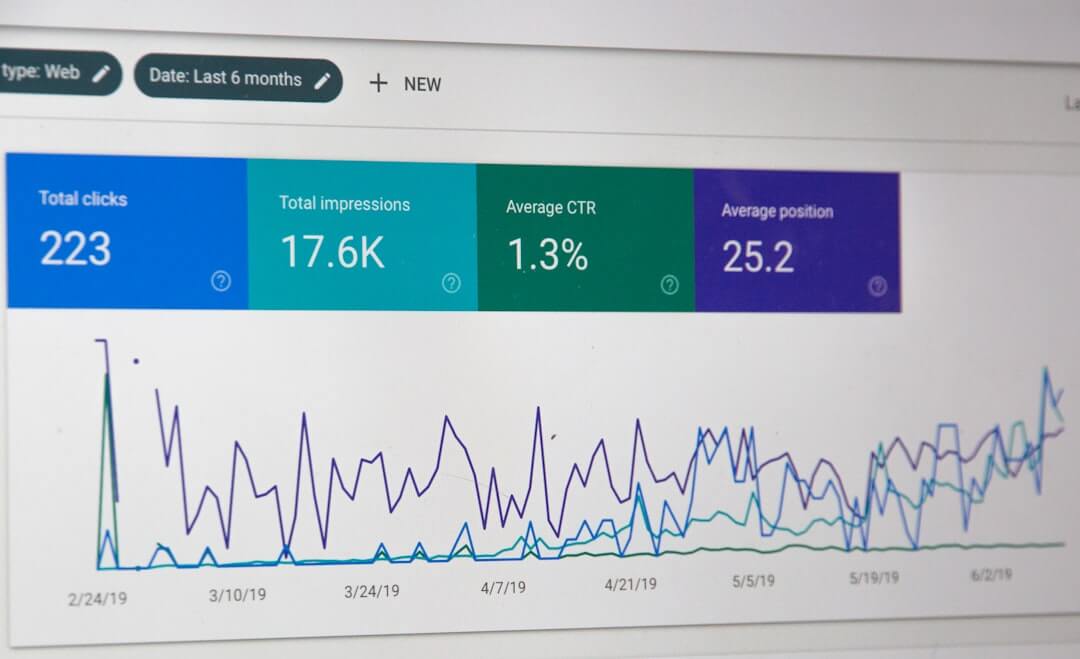
| Awareness | Branded search volume in Google Search Console | Direct traffic |
| Credibility | Partner, investor, or journalist responses | Placements on relevant outlets |
| Product adoption | Sign-ups or wallet connects | Assisted conversions |
| Investor interest | Qualified inbound inquiries | Deck downloads |
| Search support | Indexed placements and branded results coverage | Referral traffic |
Put UTM parameters on every link in the release, keep the destination page focused, and review results over at least 2 to 4 weeks, since branded search and secondary mentions build slowly.
Be honest about what it can’t do. A release can create indexed placements, branded search coverage, and a public record investors can check, but it can’t guarantee rankings, editorial pickup, user growth, or token demand. Compare results against your own previous launches rather than someone else’s very convenient success story.
Press releases support SEO and AI search indirectly, through brand mentions, consistent entity information, and pages other sites can cite. They’re not a link-building shortcut, as our guide to what press releases do for backlinks and rankings explains, and there’s a fuller framework for measuring distribution results.
What to do next
Write your announcement in one sentence, check that everything it mentions is live and verifiable, and run the compliance checklist above. If it passes and fits BrandPush’s accepted topics, order a release: it starts from $195, publishes in about 5 days, and you get your money back if the article isn’t published.
Frequently asked questions
What is crypto press release distribution?
It’s the process of publishing a blockchain, Web3, or crypto company announcement across a network of news and finance sites. The aim is visibility, credibility, and a searchable public record of real news such as launches, funding, audits, and partnerships.
Does crypto press release distribution help SEO?
It can help indirectly through brand mentions, branded search growth, and indexed pages about your company. It isn’t a guaranteed ranking shortcut, and it works best alongside strong on-site content.
Can a press release increase token demand or price?
It can raise awareness around a launch or update, but it doesn’t guarantee demand, price movement, or community growth. Writing a release to move a token price is exactly what makes publishers and readers distrust it.
Can you announce a token launch or exchange listing in a press release?
Sometimes, but the wording needs care and the business details need to be clear. Stick to facts such as dates and availability, avoid anything that reads like investment advice, and check the distributor’s accepted topics first.
Should you pitch journalists before distributing?
For major announcements, yes. Pitching a few relevant reporters under embargo gives them time to prepare a story, and distribution at launch then adds broad visibility. For smaller news, distribution alone is usually enough.
How long should a crypto press release be?
Most land between 400 and 800 words. Include enough detail for a reader to verify the news, define any jargon, and stop there.
What gets a crypto press release rejected?
Common reasons include investment-style promises, unverifiable claims, anonymous teams, unconfirmed partnerships, broken links, and thin or missing websites. If the release reads like an ad pretending to be news, expect problems early.
Is crypto press release distribution worth it for early-stage projects?
It can be, if the project has real news, a legitimate company presence, and something verifiable to announce. It’s rarely worth it for vague teasers or ideas that are still mostly vibes.