Crypto Press Release Distribution: What It Is, What to Check, and When It Makes Sense
Quick answer: Crypto press release distribution is the process of sending a crypto-related announcement to a network of news sites and syndication partners so it can be published more widely. It can help with visibility, credibility, and discoverability, but only if the release is factual, compliant, and genuinely newsworthy. In crypto, the bar is higher because publishers are wary of hype, thin claims, and anything that smells like a rug in a blazer.
What is crypto press release distribution?
 Crypto press release distribution is a specialised form of media distribution for announcements related to blockchain projects, exchanges, wallets, Web3 tools, token launches, funding rounds, partnerships, and compliance milestones.
The goal is visibility, not magic. A distributed release can place your news in front of publishers, investors, users, and searchers, but it does not guarantee trust if the underlying story is flimsy.
- It helps publish legitimate announcements at scale
- It supports brand discovery across news surfaces and search results
- It works best when paired with clear proof, proper disclosures, and realistic claims
Why is crypto treated differently from ordinary business news?
 Crypto is a higher-risk category for publishers. That means editors and distribution partners often look more closely at claims, language, and the business behind the announcement.
Trust has to be earned sentence by sentence. If your release overpromises returns, hides who is involved, or reads like a Telegram fever dream, expect friction.
- Regulatory scrutiny is stronger in financial and token-related categories
- Publisher policies may restrict investment language and unverifiable promises
- Audience scepticism is high after years of scams, collapses, and heroic nonsense
A sensible rule is simple: if a claim would worry a lawyer, it will probably worry a publisher too.
When does crypto press release distribution make sense?
 Distribution works best when there is actual news. That includes launches, audits, exchange listings, funding, partnerships, leadership hires, major roadmap milestones, or published research.
Not every update deserves a release. “We posted a thread” is content, not news, and the internet already has enough of that 🙂
| Good fit for distribution | Weak fit for distribution |
|---|---|
| Product launch with live access | Vague teaser with no date |
| Funding announcement with named backers | Undisclosed raise rumours |
| Security audit completed | ”Security is our priority” with no proof |
| Partnership with both parties confirmed | One-sided wishful thinking |
| Regulatory or licensing milestone | Grand claims about future approvals |
The best timing is when the announcement can be verified. Named people, working links, accessible assets, and supporting documents all reduce the odds of rejection.
What should a crypto press release include?
 A strong crypto release is precise, documented, and boring in the best possible way. Boring is underrated when money, regulation, and reputation are involved.
Every sentence should answer an obvious reader question. What happened, who is involved, why it matters, when it goes live, and where people can verify it are the core ingredients.
- Headline: State the event clearly without shouting.
- Lead paragraph: Summarise the news in plain English.
- Evidence: Link to product pages, audits, filings, or public statements.
- Quotes: Use one or two comments from named executives.
- Boilerplate: Explain what the company is and where it operates.
- Risk and disclosure language: Include anything readers reasonably need to know.
If you need help on structure, BrandPush has a practical press release writing guide that covers the basics without pretending every sentence belongs in a museum.
- Include company name, website, and jurisdiction
- State whether a product is live, in beta, or planned
- Clarify whether a token mention is informational rather than investment advice
What gets a crypto release rejected or ignored?
 Most failed crypto releases are not victims of bad luck. They usually collapse under the weight of weak evidence, inflated language, or missing business information.
Publishers are filtering for risk. If your release makes them do detective work, many will simply move on.
- Guaranteed returns or exaggerated investment language
- Anonymous team claims without credible company details
- Unverifiable partnerships or unnamed institutions
- Broken links, missing dates, or no working website
- Overuse of buzzwords with no product substance
A useful internal test is this: could a cautious reader verify the main claim in under five minutes?
For headline issues, the BrandPush guide on creating a press release headline is worth a look because crypto headlines often try far too hard.
How does the distribution process usually work?
 The process is simpler than many founders expect. The hard part is not clicking submit, but preparing a release that passes review and deserves attention.
Think of distribution as packaging and routing for a piece of news. It does not replace editorial judgement, and that is probably for the best.
| Step | What happens | What to prepare |
|---|---|---|
| Drafting | Write the announcement | Facts, quotes, links, boilerplate |
| Review | Check compliance and publishability | Claims, dates, legal sign-off |
| Submission | Send to distribution provider | Final copy and company details |
| Syndication | Release is pushed to partner outlets | Images, landing page, contact info |
| Reporting | Delivery and pickup are tracked | KPIs and follow-up notes |
Preparation saves more time than panic. Before submitting, make sure the company website is live, the contact details work, and the news page linked in the release does not look abandoned since 2023.
For brands that want a done-for-you route, BrandPush can help distribute a compliant business announcement and handle the workflow without turning it into a week-long office opera.
What results are realistic from crypto press release distribution?
 Realistic outcomes are reach, discovery, and credibility signals. Unrealistic outcomes are instant token demand, front-page fame, and universal admiration from the internet.
A release can support broader marketing goals. It may help people find your brand, give partners something official to cite, and create a trusted reference point for campaigns across search, social, and outreach.
- Expect published placements and reporting, not guaranteed mainstream editorial love
- Expect brand visibility to improve more than direct conversions in many cases
- Expect better outcomes when the release supports a real launch or milestone
Because there is no reliable market-wide data for crypto press release effectiveness in the research provided, it is wiser to judge performance by first-party metrics:
- Referral traffic to the linked page
- Branded search lift after publication
- Media or partner enquiries generated
- Investor, community, or user sign-ups
- Pickup quality rather than raw outlet count
Numbers need context. A smaller burst of relevant visibility can be more useful than a giant spreadsheet of placements nobody reads.
How should crypto brands measure success after distribution?
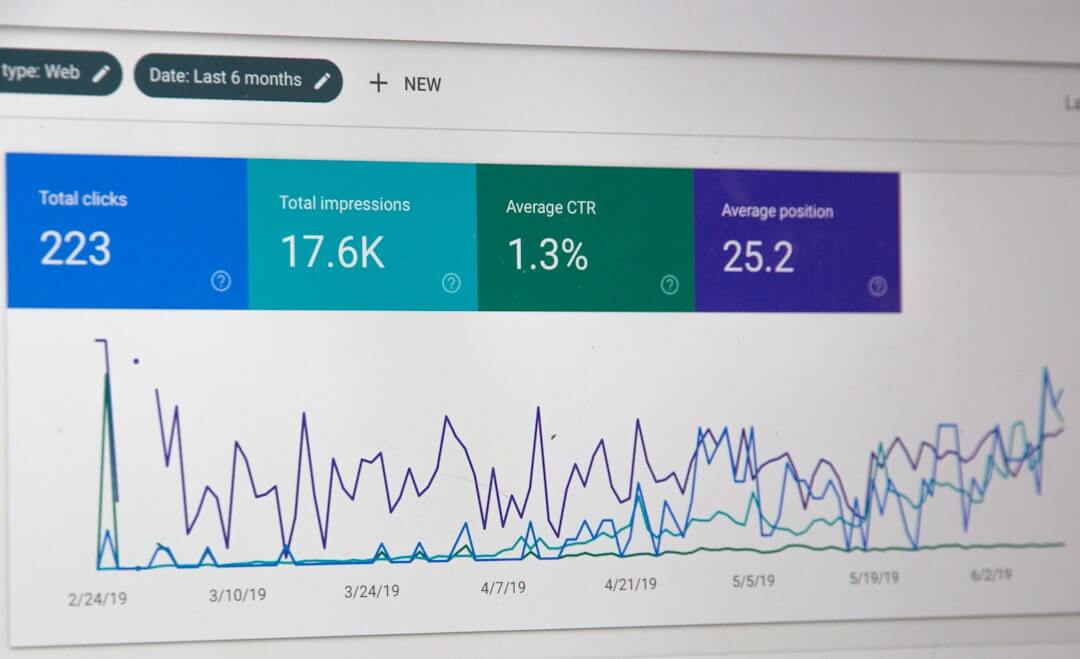 Success starts with the objective you chose before publishing. If you wanted awareness, measure awareness; if you wanted sign-ups, track sign-ups and stop pretending impressions pay invoices.
The cleanest approach is to map one release to one outcome. That makes reporting less theatrical and more useful.
| Goal | Primary metric | Secondary metric |
|---|---|---|
| Awareness | Branded search volume | Direct traffic |
| Credibility | Partner or journalist responses | Time on page |
| Product adoption | Sign-ups or wallet connects | Assisted conversions |
| Investor interest | Qualified inbound enquiries | Deck downloads |
| SEO support | Indexed mentions and branded SERP coverage | Referral traffic |
Use UTM parameters, keep the destination page focused, and watch performance for at least 2 to 4 weeks.
If the release is part of a bigger search strategy, this matters even more because press coverage often works indirectly rather than in a neat same-day spike.
What should crypto founders do before they distribute anything?
 A short pre-flight checklist prevents expensive embarrassment. It also spares your team from explaining why a release announced something that does not yet exist.
Readiness is half the job. In crypto, maybe more than half.
- Confirm the announcement is factually accurate and live
- Check that the website, landing page, and contact details are working
- Remove price predictions, guarantees, and vague hype
- Add proof such as audit links, partner confirmation, or product screenshots
- Make sure the company identity and jurisdiction are clearly stated
- Get legal or compliance review where needed
If you are still shaping the copy, the BrandPush help centre is useful for templates, process guidance, and the sort of practical details that keep releases from becoming interpretive fiction.
The main lesson is plain. Crypto press release distribution can be useful, but only when the announcement is credible, verifiable, and written for adults.
Distribution amplifies what already exists. If the news is solid, it can help your brand look more visible and more established; if the news is weak, it simply helps more people ignore it, which is not really the growth hack anyone ordered.
Frequently Asked Questions
What is crypto press release distribution?
It is the distribution of a crypto-related news announcement to media and syndication outlets. The aim is to increase visibility for legitimate company news such as launches, funding, partnerships, or audits.
Does crypto press release distribution help with SEO?
It can support SEO indirectly through brand visibility, branded search, and citation opportunities. It should not be treated as a guaranteed shortcut to rankings or as a substitute for strong content and technical SEO.
What kinds of crypto news are usually suitable for distribution?
Suitable topics include product launches, funding rounds, security audits, major partnerships, executive appointments, and regulatory milestones. The key test is whether the claim is real, current, and easy to verify.
Why are crypto press releases reviewed more strictly?
Crypto sits closer to financial risk, compliance concerns, and fraud prevention than many ordinary business categories. Publishers often apply tighter checks to protect readers and reduce legal and reputational exposure.
Can a token launch be announced in a press release?
Sometimes, yes, but the wording needs care and the business details need to be clear. Avoid anything that looks like investment advice, guaranteed returns, or unsupported promotional claims.
How long should a crypto press release be?
Most effective releases are concise and typically land around 400 to 800 words, depending on complexity. The better rule is clarity: include enough detail to verify the news, then stop typing.
What makes a crypto release more credible?
Named executives, a live company website, public documentation, working product links, audit references, and confirmed partnerships all help. Specific facts beat dramatic adjectives every time.
Is crypto press release distribution worth it for early-stage projects?
It can be worth it if the project has real news, a legitimate company presence, and something verifiable to announce. It is usually not worth it for vague teasers, anonymous teams, or ideas that are still mostly vibes.