What Actually Makes the Best Press Release Distribution in 2026?
Quick answer: The best press release distribution is not the cheapest option or the one with the loudest promises. It is the service or process that matches your goal, audience, budget, timeline, and quality of placement, while giving you realistic reporting and clean workflow.
Why “best press release distribution” is the wrong first question
 The better question is what outcome you actually need. A launch announcement, investor update, founder profile, funding story, or SEO support all require slightly different PR decisions.
Distribution is a delivery mechanism, not a miracle machine. If the story is weak, the result is usually polite silence dressed up as analytics.
- Define the primary goal before buying anything
- Match distribution type to the story angle
- Judge success by outcomes, not vanity metrics
What should good press release distribution actually do?
 Good distribution should put a genuinely newsworthy release in front of relevant outlets efficiently. It should also make submission, editing, approval, and reporting straightforward rather than turning simple PR into admin theatre.
The basics matter more than flashy extras. According to HubSpot, strong releases work best when they are clear, factual, and built around a real announcement rather than pure self-congratulation.
Here is a practical scorecard for judging quality:
| Factor | What to look for | Why it matters |
|---|---|---|
| Editorial fit | Acceptance standards and content rules | Prevents wasted submissions |
| Publication quality | Recognised business and news sites | Improves trust and discoverability |
| Workflow | Simple submission and approval process | Saves internal time |
| Reporting | Clear delivery evidence and live links | Helps teams verify outcomes |
| Timing | Predictable turnaround windows | Useful for launches and campaigns |
| Asset support | Headlines, formatting, images, guidance | Increases publishability |
Notice what is missing from that table. There is no row for “claims that sound suspiciously magical” because those tend to age badly 🙂
How do you choose the right distribution model for your goal?
 Not every press release needs the same distribution model. Some stories need broad business visibility, while others need niche trade relevance or journalist-led outreach.
A simple decision tree beats guesswork. If your aim is brand trust and discoverability, broad digital publication can make sense, while a technical industry update may need tighter targeting.
- Use broad distribution for launches, milestones, partnerships, and credibility-building announcements
- Use targeted outreach for niche sectors where a handful of specific journalists matter more than syndication
- Use both when the story has enough substance to support wider visibility and direct pitching
This is where many brands waste budget. They buy distribution when they actually need story development first, or they chase bespoke outreach for an announcement that would be better handled through scalable placement.
What does press release distribution cost in 2026?
 Pricing varies, but the range is wide enough to punish lazy decision-making. Real published pricing from one source lists PRWeb at USD 99, USD 189, and USD 389 depending on package level, while EIN Presswire lists USD 149 for one release, USD 499 for five, and USD 999 for fifteen according to its public pricing pages and summaries.
Those figures are useful reference points, not a verdict. Price tells you very little on its own unless you understand what is included, what editorial standards apply, and what sort of reporting you receive.
| Pricing example | Publicly listed price | Useful takeaway |
|---|---|---|
| Entry package example | USD 99 | Low-cost access exists, but may be limited |
| Mid-tier package example | USD 189 | Often adds formatting or wider distribution |
| Higher package example | USD 389 | Usually sold as broader visibility |
| Single release example | USD 149 | Typical one-off budget benchmark |
| Bundle example | USD 499 for 5 | Better for repeat announcements |
| Larger bundle example | USD 999 for 15 | Makes sense only with a real PR cadence |
Cheap can be expensive if the process is clunky or the outcome is irrelevant. Expensive can also be expensive, which is a lovely feature of invoices everywhere.
Which signals show a distribution option is worth it?
 Worth is about fit, evidence, and repeatability. If you cannot explain why a release deserves distribution, you probably are not ready to pay for it.
Look for proof you can inspect rather than adjectives you are supposed to admire. Sample reports, example placements, submission guidance, and transparent package details are all far more useful than vague claims of exposure.
- Clear examples of where releases appear
- Realistic expectations about approval and timing
- Guidance on accepted topics and business types
- Easy access to package details and deliverables
- Delivery reporting that can be shared internally
For brands that want a managed route, BrandPush fits this practical test because it is built as a done-for-you workflow rather than a DIY maze. If you are evaluating execution rather than slogans, a sample delivery report is often more informative than a sales paragraph.
How can you improve results before distribution even starts?
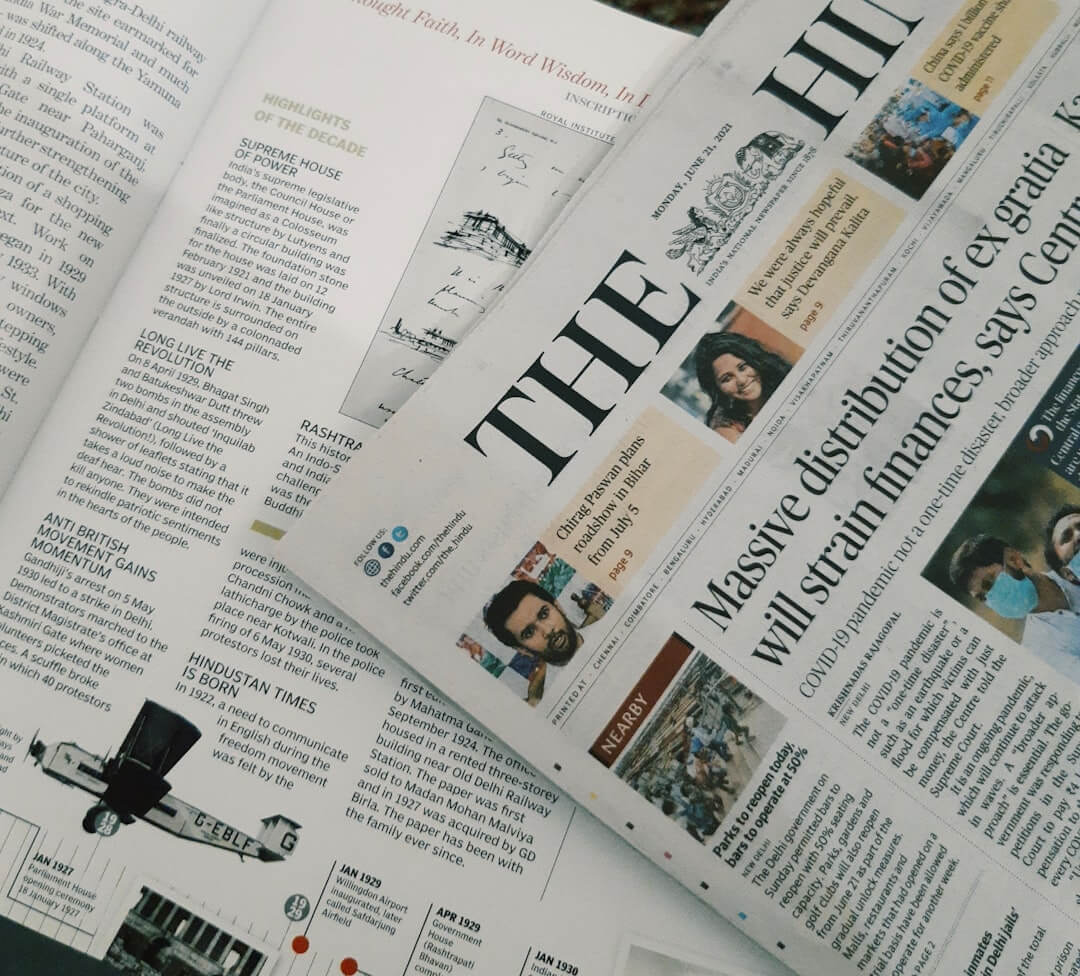 Distribution works better when the release is publishable on its own merits. That means a clear headline, an actual news hook, concise supporting detail, and a landing page that does not look abandoned since 2022.
Preparation is usually the highest ROI part of the process. Search Engine Journal and Ahrefs consistently emphasise that visibility gains come from content quality, intent alignment, and authority signals rather than tactical fluff alone.
A pre-distribution checklist helps:
- Choose one news angle. Trying to announce funding, a new hire, a product update, and your company values in one release is a cry for help.
- Write a stronger headline. BrandPush has a helpful guide on how to create the perfect press release headline.
- Cut hype words. Replace vague claims with facts, dates, numbers, or named partners.
- Check your website. Journalists and readers will judge the destination page, not just the release.
- Use a proper structure. If needed, follow this press release writing guide.
Brands often blame distribution for problems created in the draft. The release is the fuel, and poor fuel tends to produce poor motion.
What results are realistic from press release distribution?
 Realistic outcomes include visibility, credibility, indexed coverage, referral traffic, and assets your sales team can reuse. Unrealistic outcomes include instant fame, guaranteed journalist love, and SEO miracles on demand.
A good release can support multiple channels at once. It can strengthen brand search presence, give stakeholders something credible to reference, and create published mentions you can use in outreach or on-site trust sections.
Here is what sensible expectations look like:
| Outcome type | Realistic expectation | Bad expectation |
|---|---|---|
| Brand visibility | More places to be discovered | Overnight mass awareness |
| Trust | Recognised publication mentions | Automatic conversion spikes |
| Search support | Additional indexed brand assets | Guaranteed ranking jumps |
| Sales enablement | Better proof points for prospects | Direct revenue from every release |
| PR operations | Faster campaign execution | No need for strategy |
The best press release distribution supports a wider marketing system. It should sit alongside SEO, content, social proof, and outreach rather than pretending to replace them all 🔍
If you want to understand how distribution fits broader visibility work, the BrandPush blog is a sensible next stop. It is particularly useful when your team needs realistic expectations rather than PR folklore.
The best press release distribution is the one that fits your objective, budget, and operational reality while producing inspectable outcomes. In practice, that means valuing story quality, workflow, reporting, and publication relevance over noise, and using a provider such as BrandPush when done-for-you execution saves time and improves consistency.
Frequently Asked Questions
What is the best press release distribution for small businesses?
The best option for small businesses is usually the one that keeps workflow simple, pricing clear, and outcomes easy to verify. Small teams benefit most from distribution that supports trust and visibility without creating lots of admin.
Does the best press release distribution mean the most expensive?
No. Higher pricing can reflect broader placement, support, or reporting, but it does not automatically mean better fit or better outcomes.
How much should I budget for press release distribution?
Public pricing examples show entry-level options from USD 99 and single-release packages around USD 149, with larger bundles running much higher. Your sensible budget depends on release quality, campaign frequency, and whether the announcement is strong enough to justify distribution.
What should I look for before paying for distribution?
Check editorial standards, delivery reporting, package transparency, and whether the service suits your goal. If you cannot see what success looks like in advance, that is a warning sign.
Can press release distribution help SEO?
It can support SEO indirectly through visibility, indexed mentions, and stronger brand signals. It should not be treated as a guaranteed shortcut to rankings.
How often should a company distribute press releases?
Only when there is actual news. Regular cadence is useful, but forced announcements tend to waste budget and test the patience of everyone involved.
Is broad distribution better than targeted outreach?
Not always. Broad distribution works well for credibility-building announcements, while targeted outreach is better when a small number of relevant journalists matter more than scale.
What makes a press release more likely to perform well?
A strong news angle, a clear headline, factual detail, and a trustworthy website all help. Distribution performs best when the release is genuinely publishable before it ever leaves your desk.