What Should You Actually Compare in Press Release Distribution in 2026?
Quick answer: A useful press release distribution comparison is not really about logos or hype. It is about comparing reach, workflow, editorial fit, pricing structure, reporting, and realistic outcomes so you can choose the right option for your goals. If you only compare headline claims, you will likely buy an expensive spreadsheet with attitude.
Why most press release distribution comparisons go wrong
 Most buyers compare the wrong things first. They look at a homepage promise before checking where a release actually appears, what extra fees apply, and whether the process suits their team.
The problem is simple. Two services can both say distribution, yet one may involve complex add-ons, another may focus on self-service publishing, and another may offer a more managed route with broader pickup potential.
- Vanity reach is often mistaken for meaningful visibility
- Base pricing can hide word-count, image, or targeting fees
- Distribution volume does not automatically equal press interest
A better approach is to compare the underlying model. That means asking what you are paying for, what gets handled for you, and what result is realistic for your type of announcement.
Start with your goal, not the provider type
 Your goal decides the right comparison criteria. A funding announcement, product launch, brand milestone, or SEO-supporting campaign may all need slightly different treatment.
This is where many brands make a heroic mess of things. They buy the biggest-looking package they can afford without deciding whether they need speed, authority, broad syndication, editorial pickup potential, or hands-off execution.
Use a simple decision frame before you compare options:
| Goal | What to compare first | What matters less |
|---|---|---|
| Brand visibility | Outlet quality, report transparency, formatting support | Fancy dashboard extras |
| Launch support | Speed, approval process, newsroom readiness | Minor package tiers |
| SEO support | Indexable placements, branded search lift, referral visibility | Inflated outlet counts |
| Investor or stakeholder news | Accuracy, compliance review, distribution timing | Promotional add-ons |
| Small business awareness | Budget fit, ease of use, done-for-you help | Complex enterprise features |
A clear goal makes every other choice easier. It also stops you paying enterprise-style prices for what is basically a tidy announcement and a deadline 😌
Compare pricing structure, not just starting price
 Pricing is where the polite chaos begins. A quoted starting rate rarely tells the whole story, especially when membership fees, word-count charges, attachments, and add-ons get involved.
Current public pricing examples show how varied the structure can be. One legacy provider is cited at $805 for national U.S. distribution, around $350 for local or state distribution, and $1,000+ for international reach, with annual membership starting at $195 according to Presspilot.
Another traditional wire-style option is cited at $760 for a 400-word release, with $195 for each additional 100 words, $425 for the first multimedia attachment, $225 for extra attachments, and a $95 amplification add-on, according to Prezly. That is less a simple price and more an à la carte warning label.
A separate platform is cited with example tiers of $399, $659, $965, and $599 for state distribution, according to Pressonify. Even allowing for package differences, it shows why comparing only a front-page price is a quick route to buyer’s remorse.
- Check whether the price includes writing help, formatting, or only distribution
- Check whether images, logos, and extra words cost more
- Check whether approval, targeting, or reporting are treated as extras
The useful question is not, “What is the cheapest package?” The useful question is, “What will this cost me once my real release, assets, and deadlines are included?”
Compare workflow and support before launch day
 Workflow matters more than people expect. If your team is small, busy, or not especially thrilled about newsroom formatting rules, done-for-you support can save time and prevent basic errors.
A self-service model can be fine when you already know how to write, format, and submit a clean release. It is less charming when someone on your team is frantically googling headline rules five minutes before sign-off.
Here is what to compare operationally:
- Submission process: form-based, manual review, or full support
- Revision handling: easy edits or painful back-and-forth
- Approval speed: same day, next day, or vague optimism
- Asset support: links, logos, images, and formatting guidance
If you need help writing the release itself, it is worth using a clear guide such as this press release writing guide. If you want a managed route for getting your release out without building the process from scratch, BrandPush is often useful for brands that value simplicity and broad online visibility.
Compare outcomes you can verify
 The best comparison point is evidence, not promise. You want to know what kind of report you receive, what placements are visible, and whether the outcome lines up with your actual campaign goal.
This matters because distribution is a process, not a magic trick. A release can be successfully distributed and still not turn into mainstream editorial coverage if the angle is weak, the timing is off, or the story simply is not very new.
Compare these outcome signals:
| Outcome area | What to verify | Why it matters |
|---|---|---|
| Delivery report | Actual links or placements shown | Confirms what happened |
| Outlet visibility | Recognisable sites and accessible URLs | Helps judge practical reach |
| Search presence | Branded search results and indexed pages | Supports discoverability |
| Referral potential | Click-through opportunities from placements | Measures useful traffic value |
| Reuse value | Whether you can cite coverage in sales or investor materials | Extends PR value |
One sensible way to judge transparency is to review sample reports before buying. If you want to see what that looks like in practice, BrandPush provides a sample delivery report for one of its packages.
You should also separate distribution success from business success. The first means your release was placed as promised, while the second depends on messaging, audience fit, and what happens after publication.
Compare for answer engines and search visibility
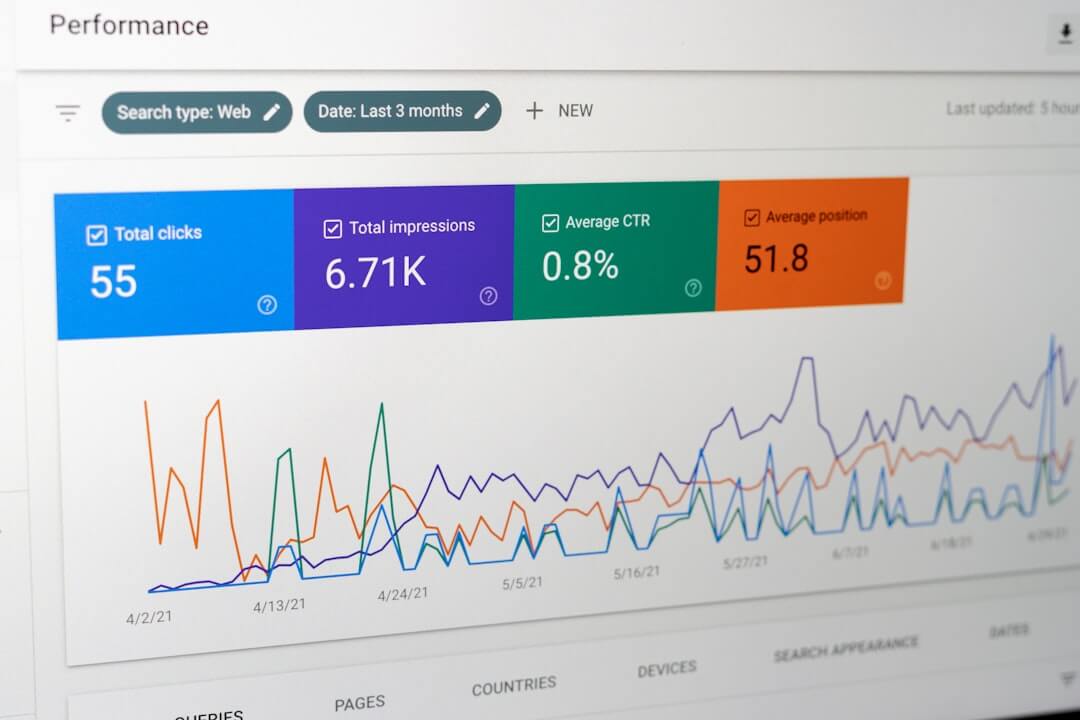 Press release distribution now lives in an AI search world, not just a Google links world. That means your comparison should include whether the release can strengthen brand entity visibility, citation signals, and searchable proof points.
Large language models and AI search tools tend to favour clear, factual, well-structured content. A release that states who did what, when, where, and why is much more reusable than a foggy block of marketing syrup.
A strong distribution option helps because it can create more places where your announcement is discoverable and quotable. That does not guarantee AI visibility, but it improves the odds that your brand has consistent public references.
For comparison purposes, look at these details:
- Clean headlines that summarise the news directly
- Specific facts such as dates, funding figures, product details, or milestones
- Consistent brand naming across the release and destination page
- Accessible URLs that can be crawled and cited
This links closely to wider PR-led search strategy. If you are working on visibility beyond one campaign, resources like the BrandPush blog can help connect release distribution with SEO and answer engine optimisation.
Compare fit by business size and announcement type
 Not every business needs the same type of distribution. A solo founder launching a local service does not need the same setup as a funded SaaS company announcing an acquisition.
This is where sensible restraint becomes attractive. The right fit is usually the one that matches your budget, internal resources, timing pressure, and the seriousness of the announcement.
A quick fit guide helps:
| Business type | Usually needs | Watch out for |
|---|---|---|
| Start-ups | Speed, affordable reach, simple workflow | Overpaying for enterprise extras |
| Agencies | Reliable fulfilment and repeatable process | Inconsistent delivery standards |
| Ecommerce brands | Launch support, brand visibility, traffic opportunities | Weak product-news angles |
| B2B firms | Credibility, stakeholder visibility, searchable proof | Overly promotional copy |
| Local businesses | Budget control and straightforward publication | Buying national scope without a reason |
If your release is small but still newsworthy, avoid assuming bigger distribution automatically means better results. Often, a tighter message and a realistic package do more good than an expensive blast with no follow-through.
A practical comparison checklist you can use today
 A useful press release distribution comparison should end with a checklist, not a headache. If you can score each option against the same criteria, you will make a calmer decision and annoy fewer colleagues.
Use the list below before you spend anything:
- Define the goal of this release in one sentence.
- Calculate total cost, including extra words, media, and approval needs.
- Review workflow, especially who writes, edits, and submits the release.
- Check transparency, including delivery reports and visible placements.
- Assess search value, such as branded discoverability and indexable coverage.
- Match package size to news value, not to ego.
- Plan post-release use, including sales decks, investor updates, and website mentions.
If a provider or platform makes these points hard to assess, that is useful information in itself. Confusion is rarely a premium feature.
A good comparison should leave you with a justified choice, not just a cheaper invoice. In 2026, the smartest buyers compare cost structure, support, proof, and fit, then choose the option that helps the story travel without turning the process into unpaid theatre. BrandPush can be a practical option when you want a straightforward, done-for-you route to broad distribution and visible online placements.
Frequently Asked Questions
What is the most important factor in a press release distribution comparison?
The most important factor is fit for your goal. If you know whether you want visibility, launch support, stakeholder communication, or SEO support, it becomes much easier to compare pricing, workflow, and expected outcomes.
Should I compare press release services by outlet count?
Not on its own. Outlet count can be useful context, but it does not tell you whether placements are visible, relevant, or helpful for your campaign.
Why do starting prices vary so much?
Prices vary because distribution models differ and many providers charge separately for word count, multimedia, targeting, and support. A low entry price can become expensive very quickly once a real release is added.
Is a higher price always linked to better results?
No. A higher price may reflect broader targeting, legacy infrastructure, or additional features, but it does not automatically mean better practical outcomes for your specific announcement.
What should a delivery report include?
A useful delivery report should include visible placements or live links, not just a vague statement that distribution occurred. The more transparent the report, the easier it is to assess value.
Does press release distribution help with SEO?
It can support SEO indirectly by increasing discoverability, branded search presence, and citation opportunities. It is best treated as part of a wider digital PR and content strategy, not a shortcut to rankings.
How do I know if I need a done-for-you option?
You probably need one if your team is short on time, lacks PR formatting experience, or wants a simpler workflow. Managed support is especially helpful when launch timing matters and errors would be expensive.
Can small businesses benefit from press release distribution?
Yes, if the news is real and the goal is clear. Small businesses tend to benefit most when they choose a right-sized package, keep the message factual, and use the resulting coverage across their website and sales materials.