What Is White Label SEO and When Does It Make Sense for an Agency?
Quick answer: White label SEO is when a specialist provider does SEO work behind the scenes while an agency sells and manages the service under its own brand. It makes sense when an agency needs SEO capability without building a full in-house team, but it only works well if delivery, reporting, and client expectations are tightly managed.
What is white label SEO?
 White label SEO is outsourced SEO delivered under your agency brand. The external provider does the work, while your agency handles the client relationship, positioning, and commercial terms.
It is a fulfilment model, not a marketing trick. Common services include technical SEO, content, link building, local SEO, audits, and reporting, although the exact scope varies by provider.
- The client usually sees your agency name, not the fulfilment partner
- Your agency owns strategy, communication, or both
- The provider supplies specialist execution in the background
How does white label SEO actually work?
 The workflow is usually simple on paper and messy in practice. An agency sells an SEO package, collects the brief, and passes tasks to a specialist team that completes the work behind the curtain.
The real difference is who owns which part of the process. Some agencies keep strategy in-house and outsource execution, while others outsource almost everything except sales and account management.
| Stage | Agency role | Provider role |
|---|---|---|
| Sales | Wins client and sets expectations | Supports with scope if needed |
| Onboarding | Collects goals, access, and assets | Reviews feasibility and requirements |
| Strategy | May lead or approve strategy | May prepare audits and recommendations |
| Delivery | Manages client updates | Executes technical, content, or local SEO tasks |
| Reporting | Presents results under agency brand | Prepares data and dashboards |
Branding matters more than most agencies expect. White label arrangements often include custom reports, agency logos, and client-safe documents, because nobody wants a client asking why three different companies appear on one PDF.
When does white label SEO make sense?
 White label SEO makes sense when demand outpaces capacity. If clients are asking for SEO and your team cannot deliver reliably, outsourcing can stop opportunities leaking out of the bottom of the funnel.
It also helps when expertise is thin. SEO is not one job any more, because technical SEO, content production, analytics, local visibility, and authority building often require different skill sets.
- You have strong sales ability but limited SEO delivery capacity
- You want to test SEO as a service before hiring a full team
- You need specialist support for audits, migrations, or local campaigns
- You want predictable fulfilment costs instead of permanent salaries
It is especially useful for agencies selling adjacent services. Web design, paid media, branding, and PR agencies often add SEO because clients prefer fewer suppliers and fewer meetings that should have been emails 🙂
When is white label SEO a bad idea?
 White label SEO is a bad idea when the agency has no process discipline. If sales promises are vague, onboarding is weak, and no one owns client education, outsourced delivery will not save you.
It also fails when agencies treat SEO like a commodity. SEO requires prioritisation, access, approvals, and time, so selling it as a magic monthly retainer is a fast route to awkward calls.
- You cannot clearly define deliverables each month
- You sell rankings instead of process and outcomes
- You lack someone who can quality-check the work
- You expect instant results from long-term tasks
This is where many partnerships wobble. The problem is rarely outsourcing itself, but the agency pretending fulfilment is effortless while the client expects miracles by next Thursday.
What should an agency check before choosing a white label SEO partner?
 The right questions are operational, not theatrical. You do not need grand claims, because you need evidence that work will be delivered accurately, on time, and in a format your clients can trust.
Ask for process proof before buying promises. That means sample reports, delivery timelines, communication rules, revision policy, and clarity on who does what when a campaign hits a snag.
- What tasks are included each month, and what costs extra?
- Who creates strategy, and who approves it?
- How are reports branded and delivered?
- What happens if a client needs urgent technical changes?
- How is quality controlled before work reaches the client?
- What inputs are required from the agency and the client?
You should also inspect communication standards. A provider can be technically capable and still unusable if reports are late, recommendations are unclear, or every answer sounds copied from a robot having a difficult morning.
What results can agencies realistically expect?
 Realistic expectations matter more than glossy SEO jargon. The available source material for this topic defines the white label model and common services, but it does not provide reliable independent market-size data, ROI benchmarks, or audited effectiveness figures for white label SEO specifically.
That means honesty is part of the strategy. You can reasonably expect faster service expansion, broader capability, and more delivery bandwidth, but you should not invent hard performance claims where no reliable evidence exists.
| Outcome area | What is realistic | What is not realistic |
|---|---|---|
| Agency capacity | Serve more SEO clients without full hiring | Infinite scale with no management overhead |
| Skill coverage | Access specialists across disciplines | Expert-level strategy with zero agency input |
| Client retention | Better retention if execution improves | Automatic retention just because SEO is offered |
| Revenue model | Higher average account value | Instant margin if pricing and scope are poor |
This is a good place to be boring and accurate. If you want the service to last, sell process, transparency, and measurable progress, not fantasy graphs that go up because someone moved the y-axis 📈
How should agencies package and communicate white label SEO?
 The cleanest offer is usually the easiest one to deliver. Agencies often overcomplicate SEO packages, when clients mainly need clear scope, sensible timelines, and reporting that explains what happened and why.
Start with service architecture before pricing. Decide whether you are selling technical fixes, local SEO, content support, ongoing optimisation, or a blended retainer, then tie each offer to a specific type of client problem.
- Define the target client and their likely SEO problem.
- Set a monthly scope with named deliverables.
- Build onboarding around access, assets, and approvals.
- Create reporting that links activity to business goals.
- Train account managers to explain delays, dependencies, and wins.
Agencies that communicate SEO well keep clients longer. If you need help with broader visibility around launches, announcements, or proof points, BrandPush can support the PR side with done-for-you press release distribution that helps brands appear across major media outlets and searchable news results.
Packaging should also reflect what SEO cannot do alone. SEO supports discoverability, but brands often need PR, branded search growth, and media visibility alongside it, which is why related topics like answer engine optimisation and digital PR increasingly sit in the same planning conversation.
How does white label SEO fit into a wider visibility strategy?
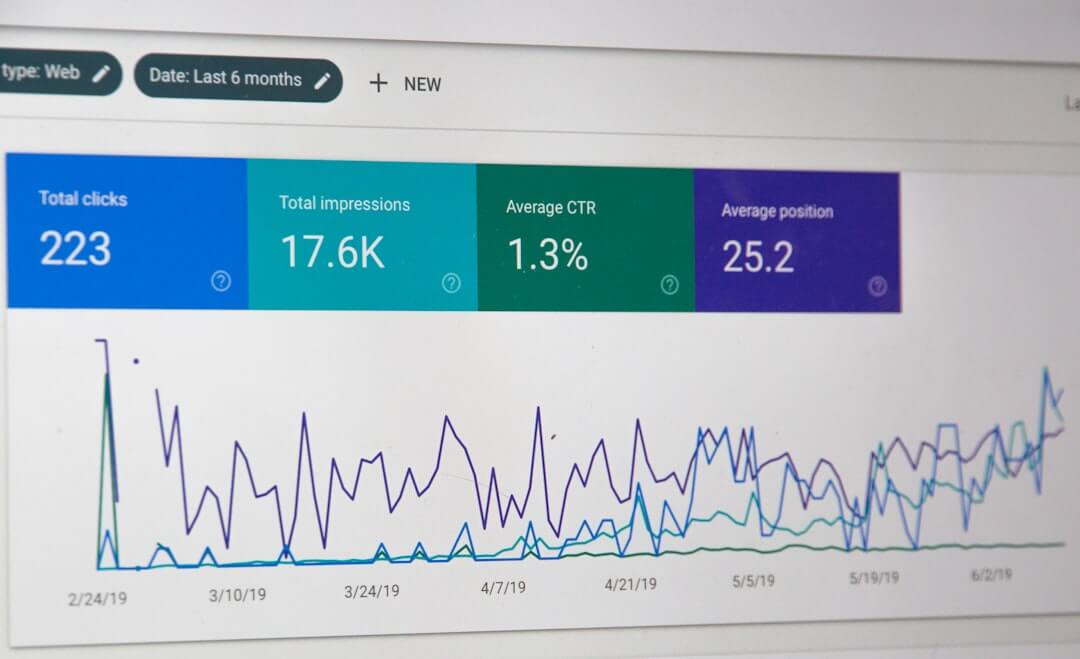 SEO works better when it is not carrying the entire growth plan alone. Agencies get stronger outcomes when SEO is connected to content strategy, digital PR, technical site health, and brand search demand.
This matters even more in an AI-shaped search environment. Publications, expert mentions, branded queries, and clean site architecture all help a brand become easier to discover, recognise, and cite across search and answer engines.
- SEO improves crawlability, relevance, and long-term discoverability
- PR supports credibility, entity signals, and brand awareness
- Content creates pages worth ranking and citing
- Reporting ties activity back to leads, revenue, and retention
A white label partner should fit that broader system. If fulfilment is siloed and disconnected from PR or content, results often look patchy, even when individual tasks were technically fine.
That is why agencies should think beyond task lists. Helpful references from Ahrefs and Moz remain useful for aligning SEO basics, while BrandPush can help teams add media visibility when a client also has news worth distributing.
In short, white label SEO is most useful when it supports a wider visibility machine. On its own, it is a fulfilment model, not a miracle cure, and that is probably healthier for everyone.
White label SEO can be a smart way for agencies to expand capacity, protect margins, and offer specialist delivery without building every function in-house. It works best when the agency keeps control of positioning, expectations, and quality, and uses partners like BrandPush where PR distribution naturally supports the wider visibility strategy.
Frequently Asked Questions
What is white label SEO in simple terms?
White label SEO is outsourced SEO work delivered under your agency brand. The client buys SEO from you, while a specialist provider handles some or all of the behind-the-scenes execution.
Is white label SEO the same as outsourcing SEO?
Not exactly. All white label SEO is outsourcing, but white label SEO specifically means the service is fulfilled in a way that supports your agency branding and client-facing relationship.
Who should use white label SEO?
It suits agencies that sell marketing services but lack the in-house team to deliver SEO consistently. It is especially useful for web design, PR, paid media, and creative agencies adding SEO to increase account value.
What services are usually included in white label SEO?
Common services include technical audits, on-page SEO, content support, local SEO, reporting, and sometimes link outreach. The exact mix varies, so agencies should confirm monthly deliverables before selling the service.
Does white label SEO work for small agencies?
Yes, often better than for chaotic larger ones. Small agencies can use it to test demand, broaden offers, and avoid hiring too early, provided someone still owns client communication and quality control.
Can agencies expect guaranteed rankings from white label SEO?
No. SEO depends on competition, site quality, resources, timing, and implementation, so no credible provider should guarantee rankings as if search engines have signed a contract.
What are the main risks of white label SEO?
The main risks are poor fulfilment, unclear scope, weak reporting, and unrealistic promises made during sales. Most problems come from bad process and communication rather than the white label model itself.
How do you choose a white label SEO partner?
Look for clear scope, sample reports, transparent workflows, revision rules, and realistic communication. A good partner should explain how work is done, what they need from you, and how they handle issues when campaigns go off-script.
Is there reliable market data for white label SEO?
Not from the research provided for this article. The available sources define the model and list common services, but they do not include audited market-size figures, ROI benchmarks, or current 2024 to 2026 trend statistics for white label SEO specifically.