What Is Press Release Distribution and How Does It Actually Work?
Quick answer: Press release distribution is the process of sending a news announcement to the people and platforms most likely to amplify it, including journalists, news sites, customers, investors, search engines, and AI-driven discovery systems. In practice, it usually combines distribution platforms, direct media outreach, and owned channels such as your website and social profiles. The point is not to shout into the void with confidence, which sadly remains a popular marketing hobby.
What Press Release Distribution Means
 Press release distribution means delivering a press release to an intended audience in a structured way. That audience can include reporters, editors, publishers, investors, industry readers, search engines, and answer engines that surface brand information.
It is a delivery process, not magic dust. A press release still needs a credible angle, clear facts, and a reason to exist if you want people to read it rather than use it as digital wallpaper.
- Commercial distribution platforms send releases through broad media and publishing networks
- Direct outreach targets specific journalists or outlets with a tailored pitch
- Owned channels publish the announcement on your site, newsroom, email, and social accounts
How Press Release Distribution Works in Practice
 Most distribution systems follow a fairly simple chain. You write the release, format it properly, choose where it should go, and then submit it to a distribution method that pushes it to media contacts, publishing partners, or your own channels.
From there, different things can happen. Journalists may receive it in inboxes, digital outlets may publish it, search engines may index it, and AI systems may later use that coverage as a source signal when summarising your brand online.
According to the research provided, commercial distribution platforms send releases to databases of journalists and media outlets for a fee. One large legacy provider publicly states reach of 440,000+ newsrooms, 270,000+ journalists and influencers, and 9,000+ digital media outlets, which shows the scale these networks are built to handle.
| Stage | What happens | Why it matters |
|---|---|---|
| Writing | The release is drafted with facts, quotes, and context | Weak copy dies early |
| Submission | The release is uploaded or sent for review | Formatting and compliance matter |
| Distribution | It is delivered to networks, contacts, or channels | This creates reach |
| Pickup | Outlets may publish or journalists may cover it | This creates visibility |
| Indexing | Search engines and AI systems can discover it | This supports findability |
| Follow-up | Brands track coverage and respond to interest | This turns exposure into results |
The Three Main Distribution Channels
 There are three primary distribution channels worth understanding. Each one does a different job, and most sensible PR strategies use more than one.
Relying on one channel alone is usually lazy, not efficient. If the news matters, it deserves a distribution plan rather than a hopeful upload and a biscuit.
1. Commercial distribution platforms
These services distribute your press release across media, publishing, financial, and online networks. They are designed for scale, speed, and standardised delivery.
They are useful when reach and publication matter. If your goal is broad visibility, indexed coverage, or appearing on recognised outlets, this route is often the practical engine behind it.
2. Direct journalist outreach
This is the targeted side of PR. You build or use a media list, identify relevant journalists, and pitch the story directly to people who actually cover your topic.
It works best when the story has a strong editorial angle. Reporters do not exist to process corporate self-esteem, so relevance is doing most of the heavy lifting here.
3. Owned channels
These are the channels you control. Your website, blog, email newsletter, social media accounts, investor page, and newsroom all count.
Owned distribution gives you guaranteed publication. It will not replace media pickup, but it creates a source of record that search engines, customers, and AI tools can crawl later.
- Use commercial distribution for broad exposure and syndication
- Use direct outreach for earned coverage and journalist relationships
- Use owned channels for discoverability, consistency, and message control
What Press Release Distribution Is Actually For
 The job of distribution is to increase visibility for a newsworthy announcement. That can mean media coverage, online mentions, branded search lift, referral traffic, investor awareness, or simply making the news easy to find in the right places.
It is not just about journalists any more. Search engines and AI answer platforms increasingly rely on published sources, brand mentions, and corroborating pages to understand what a company is, what it has announced, and whether it looks credible.
A well-distributed release can support several outcomes at once. It may help people discover your brand, give reporters something quotable, and create citable web pages that reinforce your entity footprint online.
For brands that want a managed route, BrandPush helps businesses distribute press releases to major outlets including Business Insider, Yahoo Finance, MSN, and 400+ outlets, which can support both media visibility and search discoverability. That is useful if your internal PR department currently consists of one marketer and a strong cup of tea.
| Goal | How distribution helps | Typical signal |
|---|---|---|
| Brand awareness | Places your announcement in front of wider audiences | Mentions, reach, views |
| Media coverage | Puts the story in front of journalists and publishers | Pickup, enquiries |
| SEO support | Creates discoverable pages and brand citations | Indexed results, branded search |
| AEO visibility | Gives AI systems more public sources to reference | Entity mentions, summaries |
| Investor or stakeholder communication | Shares formal updates in a standard format | Public record, consistency |
What Distribution Does Not Guarantee
 Press release distribution does not guarantee journalist love, sales, or a sudden personality transplant for your brand. It is a mechanism for delivery, not a guarantee of earned coverage or commercial impact.
Coverage still depends on the quality of the story. If the announcement is weak, vague, overhyped, or clearly written by committee with a fear of verbs, distribution will expose the problem faster rather than fix it.
Here are the most common misunderstandings:
- Distribution is not the same as earned media from a journalist who reports the story independently
- Publication is not the same as influence if nobody relevant sees or trusts it
- Reach is not the same as outcomes such as leads, demos, or investor interest
- A release is not automatically SEO value unless the wider strategy supports discoverability and brand demand
If you are writing your own release, BrandPush has a useful press release writing guide and a related guide on common mistakes to avoid in your press release. These are handy because most bad releases fail long before distribution gets blamed for it.
When Press Release Distribution Makes Sense
 Distribution makes sense when you have actual news and a clear audience for it. Good examples include funding announcements, product launches, partnerships, research findings, expansion news, executive appointments, milestones, and timely company updates.
It makes less sense when the story is not really a story. “We exist and have thoughts” is content, perhaps, but not necessarily news 🙂
A simple test is to ask whether someone outside your company would care. If the answer is yes, distribution may help put that story where it can be found, cited, and shared.
Good reasons to distribute a release include:
- Launching a new product, feature, or service with clear market relevance
- Announcing funding, acquisition, or growth milestones with verifiable numbers
- Sharing research, survey data, or proprietary insights that media might cite
- Publishing a time-sensitive update that stakeholders need in a formal public format
- Strengthening your brand footprint before outreach, fundraising, or a major campaign 🚀
How to Use Distribution More Effectively
 The smartest use of press release distribution is strategic, not ceremonial. The release should match a defined goal, a target audience, and a realistic next step.
This is where many brands overcomplicate things. They fuss over theoretical reach while ignoring the headline, proof, timing, and landing page, which is a bit like polishing the cutlery while the meal is on fire.
Here is a practical framework:
- Start with the news angle. Ask what is genuinely new, useful, surprising, or timely.
- Choose the audience. Decide whether this matters most to journalists, customers, investors, partners, or search visibility.
- Pick the right channel mix. Combine platform distribution, outreach, and owned publication based on that goal.
- Prepare the destination page. Make sure your website can capture traffic, explain the announcement, and convert interest.
- Track the aftermath. Measure pickups, indexed pages, referral traffic, branded searches, and business responses.
If the aim is broad online visibility, a done-for-you service with clear package options can simplify the process. BrandPush also publishes transparent pricing and package options, which is refreshing because mystery pricing is rarely a sign of calm professionalism.
What Success Looks Like After Distribution
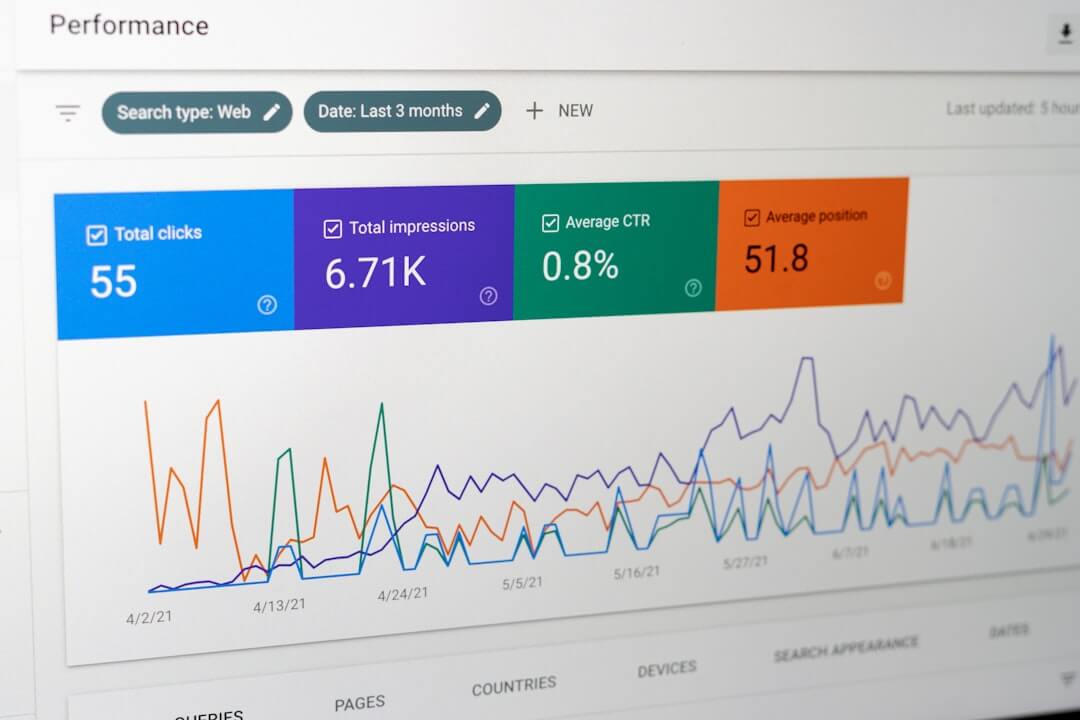 Success after distribution is usually a stack of smaller wins rather than one dramatic moment. You may see placements on recognised outlets, more branded searches, referral visits, inbound media requests, sales team credibility boosts, or stronger trust signals across search results.
The best results are cumulative. One release rarely changes everything, but repeated credible announcements can build a public record that helps your brand look more established over time.
Research from sources such as Ahrefs and Search Engine Journal has consistently supported the idea that visibility, mentions, and brand demand matter for search performance, even when single links are over-romanticised. Press release distribution fits that bigger picture when used to create discoverable, citable evidence of company activity rather than as a shortcut.
Realistic KPIs often include:
| Metric | What to watch | Why it is useful |
|---|---|---|
| Published placements | Number and quality of outlet pickups | Shows distribution reach |
| Branded search volume | Searches for your company or product | Signals awareness growth |
| Referral traffic | Visits from published articles | Indicates audience interest |
| Media replies | Journalist or partner enquiries | Shows editorial relevance |
| Indexation | Whether release pages appear in search | Supports discoverability |
| Conversions | Demos, sign-ups, investor contacts | Connects PR to business value |
Press release distribution is best treated as infrastructure for visibility. It helps your announcement travel, but the story itself still needs legs.
Used well, distribution can support PR, search, and brand credibility at the same time. If you want a practical route without building the whole process from scratch, BrandPush is one way to turn a solid announcement into wider public visibility.
Frequently Asked Questions
What is press release distribution in simple terms?
Press release distribution is the process of sending a company announcement to media contacts, publishing networks, and owned channels so the news can be seen and shared. It helps put your story in front of journalists, customers, search engines, and AI platforms.
How does press release distribution work?
You prepare a release, choose a distribution method, and send it through a platform, direct outreach, or your own channels. After that, outlets may publish it, journalists may respond, and search engines may index the pages.
What are the main types of press release distribution?
The three main types are commercial distribution platforms, direct journalist outreach, and owned channels like your website and social profiles. Most effective campaigns use a mix rather than relying on only one route.
Does press release distribution guarantee media coverage?
No, it does not guarantee earned coverage from journalists. It guarantees delivery to selected channels or networks, but coverage still depends on the quality and relevance of the story.
Who should use press release distribution?
It suits businesses, startups, agencies, public companies, e-commerce brands, and founders with real news to share. It is especially useful when you want broader visibility, formal public communication, or searchable online coverage.
Is press release distribution good for SEO?
It can support SEO indirectly through brand mentions, indexed coverage, and stronger brand search signals. It is most useful when paired with a proper content, PR, and website strategy rather than treated as a link trick.
What is the difference between distribution and media outreach?
Distribution pushes the release through networks or channels at scale. Media outreach is more targeted and involves pitching individual journalists or publications directly.
When should you distribute a press release?
Distribute a press release when you have a genuinely newsworthy update such as a launch, partnership, funding round, data report, or major milestone. Timing matters, so publish when the news is current and you are ready to handle attention.
What happens after a press release is distributed?
After distribution, your release may be published on partner outlets, indexed by search engines, and seen by journalists or stakeholders. You should then track placements, traffic, replies, and any business outcomes linked to the announcement.