What Is a Press Release Package and Which Type Do You Actually Need?
Quick answer: A press release package is a bundle of services around writing, formatting, distribution, and reporting for a single announcement or a set of announcements. The right package depends less on shiny claims and more on your goal, your evidence, and whether the story is genuinely fit for publication. A decent package should make the release easier to publish, easier to understand, and easier to track, not just more expensive.
What is a press release package?
 A press release package is a structured offer that combines the practical parts of getting company news ready and distributed. It usually covers some mix of writing support, distribution, formatting, links, images, and reporting.
A package is not magic in a checkout basket. It is simply a way to define what level of help you are buying and what outcomes are realistically supported.
- A basic package often covers one release, standard formatting, and distribution
- A mid-tier package may add editorial review, images, or stronger reporting
- A higher-tier package may include wider outlet placement, more assets, or faster handling
What does a press release package usually include?
 A useful package should tell you exactly what is included before you pay. If the details are foggy, the odds of disappointment rise with impressive speed.
Common inclusions are distribution, editing, headline support, anchor links, image attachments, and a delivery report. Some providers also include writing help, while others expect a finished release from you.
| Package element | What it usually means | Why it matters |
|---|---|---|
| Writing or editing | Drafting, polishing, or compliance checks | Improves clarity and publishability |
| Distribution | Sending the release to a network of outlets | Expands visibility and indexing potential |
| Links | Website links inside the release body | Supports traffic and citation value |
| Images or logo | Visual asset included with release | Helps presentation and engagement |
| Reporting | List of placements or delivery status | Lets you verify what happened |
| Turnaround time | Standard or priority processing | Important for launches and announcements |
A package can also include limits. Watch for word count caps, industry restrictions, and whether revisions are included, because those details have a habit of appearing five minutes after enthusiasm 😏
How do you choose the right package for your goal?
 The right press release package starts with the job you need it to do. If you skip that bit, you end up buying reach when you actually needed proof, or buying speed when you actually needed better writing.
There are usually four practical goals behind a package purchase: brand visibility, launch support, credibility signals, and search visibility. Your package should match the primary goal, not every possible ambition you have had since 2019.
- Choose a lighter package if you need a straightforward company update published cleanly
- Choose a fuller package if the announcement needs stronger presentation, assets, and reporting
- Choose priority handling if the story is time-sensitive, such as funding, events, or product launches
A simple question helps: what should happen after publication? If the answer is brand search lift, investor visibility, sales page traffic, or proof for outreach, you can work backwards from that outcome.
Which signals matter more than big claims?
 The most useful package signals are clarity, fit, and evidence. Huge numbers without context are usually marketing confetti.
The research you provided shows a lot of market pages make broad claims, but reliable third-party ROI studies and industry-wide pricing benchmarks were not available from those sources. That matters because it means buyers should put more weight on transparent deliverables than on sweeping promises.
A few recurring signals do appear across provider pages in the wider market. Some mention SEO optimisation, some mention Google News submission, some mention 3 to 5 links, and some mention publication in 24 hours.
| Signal | What it tells you | What it does not tell you |
|---|---|---|
| SEO optimisation | The release may be structured for search visibility | It does not guarantee rankings |
| Multiple links included | You can direct readers to key pages | It does not make the links inherently powerful |
| Fast publication | The release can go live quickly | It does not improve story quality |
| Outlet names mentioned | There may be network reach or syndication opportunities | It does not guarantee editorial pickup |
One source in your research states a corporate package includes 3 to 5 links. Another says premium tiers include Google News Submission, while another notes publication can happen in 24 hours.
Those details are useful, but they are still feature data, not outcome data. A feature can help, but it cannot rescue a dull announcement wearing a tie.
How should you judge package value when pricing is unclear?
 You should judge value by what the package removes, what it enables, and what proof you get afterwards. Price alone is lazy analysis dressed as discipline.
Your research notes that explicit current pricing was not reliably available across several well-known providers from the supplied sources. That means the sensible way to assess package value is through scope, transparency, and suitability rather than trying to compare mystery numbers.
Ask these questions before you buy:
- Is writing support included, or do you need to supply a finished release?
- Are links, images, and logo placements included or limited?
- Do you receive a clear report showing where the release appeared?
- Is there a stated turnaround time for standard and urgent distribution?
- Are there topic or website eligibility rules?
A good package saves time and reduces avoidable mistakes. BrandPush, for example, is useful when you want a done-for-you option with clear package expectations, straightforward submission, and reporting you can actually inspect through its pricing and package options.
If you are still at the drafting stage, using a solid press release writing guide is often more valuable than paying for a bigger package too early. Better copy usually beats bigger claims.
What makes a package suitable for SEO and answer engine visibility?
 A press release package can support SEO, but it should be treated as a visibility asset, not a link scheme. That distinction is the difference between useful PR and internet landfill.
For search and answer engines, the release needs a clear topic, a credible brand source, and a page worth linking to. Distribution can help the content get discovered, indexed, cited, and searched, especially when the announcement is tied to something real.
The research provided includes claims such as credible backlink, mostly follow body links, and network reach figures of 150 to 160 million or 250 to 270 million monthly readers on some pricing pages. Those claims may indicate potential exposure, but they are not independent proof of SEO impact.
What actually helps most:
- A newsworthy release tied to a real event, launch, report, hire, or milestone
- A landing page that matches the announcement and answers follow-up questions
- Branded search demand created by coverage, syndication, and social sharing
- Secondary links or mentions earned after people discover the story
Search value often comes from citations, entity signals, and follow-on coverage, not from trying to squeeze unnatural anchor text into every sentence. If you want a sensible foundation, BrandPush also explains how press releases rank on Google in a fairly no-nonsense way.
For wider context on discoverability beyond classic search, our guide to answer engine optimisation is worth a read. AI systems tend to cite content that is clear, factual, and structured like it expected to be questioned by a sceptical machine 🤖
When should you upgrade to a larger press release package?
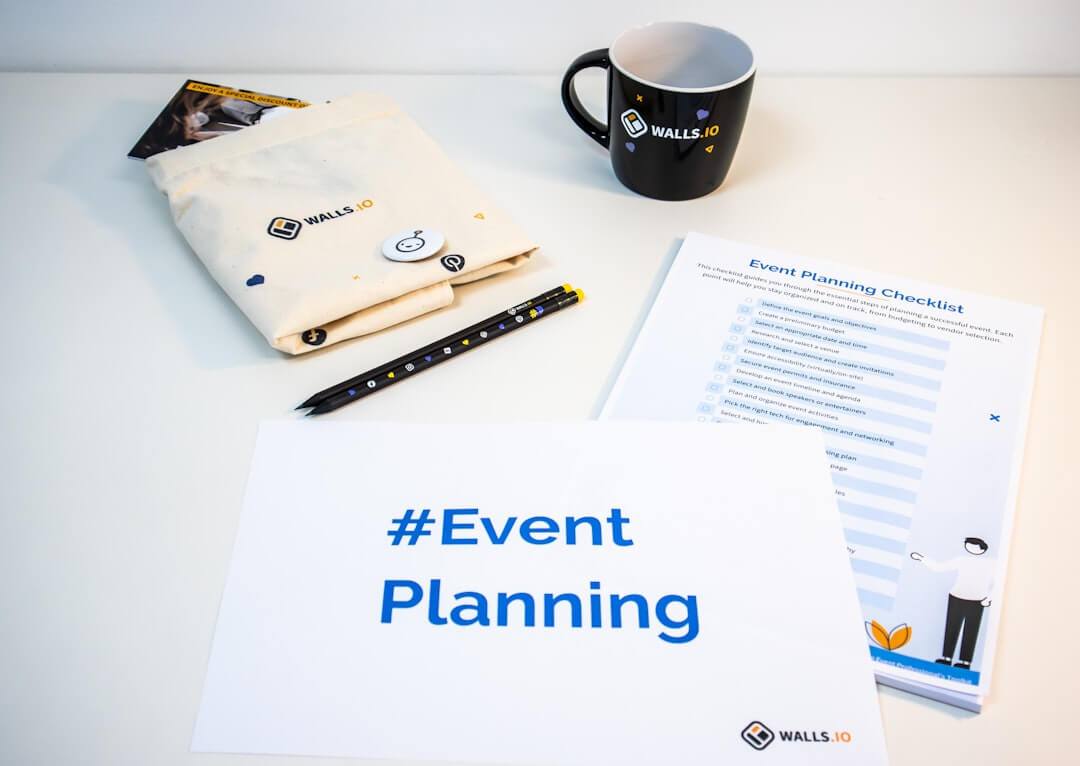 You should upgrade when the story stakes are higher, not just because the premium box looks more grown-up. A larger package makes sense when more visibility, more assets, or faster execution materially affect the outcome.
Typical upgrade moments include funding news, product launches, acquisitions, event announcements, partnership news, and reputation-sensitive milestones. In those cases, cleaner presentation and broader distribution can be worth paying for.
Here is a practical way to think about it:
| Situation | Package need | Why |
|---|---|---|
| Routine company update | Basic | Speed and clean publication may be enough |
| Product launch | Mid-tier | Better assets and reporting improve usefulness |
| Funding or investor news | Mid or higher | Credibility and timing matter more |
| Major milestone or campaign | Higher | Wider distribution and stronger proof help amplify it |
| Weak or unclear story | No upgrade yet | Improve the angle before spending more |
If your story still needs work, fix the fundamentals first. A stronger headline, cleaner lead paragraph, and actual evidence will do more than buying extra package weight and hoping for emotional support from the internet.
What should you prepare before buying a press release package?
 Preparation makes every package perform better. Even the best distribution process cannot invent facts you forgot to provide.
Before ordering, make sure you have the announcement, your company boilerplate, your preferred links, and any supporting assets ready. You also need a landing page that can absorb the traffic without looking like it was built during a lunch break.
- Final company name, website, and contact details
- News angle with a clear reason this matters now
- Evidence such as stats, quotes, dates, or launch details
- One primary URL and any secondary URLs you want linked
- Logo, product image, or founder headshot if allowed
If you want the process to move smoothly, BrandPush lets you get started here with a guided order flow. It is particularly handy for teams that want distribution handled without turning the release into a side quest.
A final check matters. Make sure the business type and topic are eligible, the release is factually clean, and the headline does not read like it swallowed a megaphone.
A press release package is only as good as the match between your story, your goal, and the deliverables you are actually buying. Focus on clarity, proof, and reporting, and you will make a better choice than someone seduced by vague reach claims and heroic adjectives.
If you need a practical done-for-you route, BrandPush is one sensible option for getting a release prepared and distributed without unnecessary drama. That is useful because PR is stressful enough without adding archaeological pricing and mystery deliverables.
Frequently Asked Questions
What is included in a press release package?
A press release package usually includes some combination of writing or editing, distribution, links, media assets, and reporting. The exact scope varies, so the important part is getting the deliverables in writing before you pay.
Is a bigger press release package always better?
No. A bigger package is only better if your announcement genuinely benefits from wider distribution, faster turnaround, or more assets.
How many links should a press release include?
Most releases work best with a small number of relevant links, usually one primary landing page and one or two supporting pages. Too many links can make the release look promotional rather than informative.
Can a press release package help with SEO?
Yes, but indirectly in most cases. It can support discoverability, branded search, citations, and follow-on mentions, rather than acting as a guaranteed ranking shortcut.
Should startups buy a press release package?
Startups should buy one when they have real news, such as funding, launch, hiring, partnerships, or traction milestones. If the story is weak, improving the angle is a better use of budget first.
How fast can a press release package go live?
Turnaround depends on the provider and package level. Some market pages mention publication in as little as 24 hours, but speed should not replace accuracy.
What makes a press release package good value?
Good value means clear deliverables, suitable distribution, useful reporting, and realistic support for your goal. It is less about the package name and more about whether it solves the actual job you hired it to do.
Do press release packages guarantee media coverage?
No credible package can guarantee true editorial interest. Distribution can place your release across networks and outlets, but earned journalist coverage still depends on the strength and relevance of the story.