How to Use a Press Release for SEO Backlinks Without Expecting Miracles
Quick answer: A press release for SEO backlinks works best when it creates real visibility that leads to secondary pickups, branded searches, and editorial links. It is not a magic link vending machine, and Google has been fairly clear about that for years. Used properly, a press release can support SEO by putting genuine news in front of publishers, industry sites, and searchers who may link to your brand later.
Why press releases can still help SEO
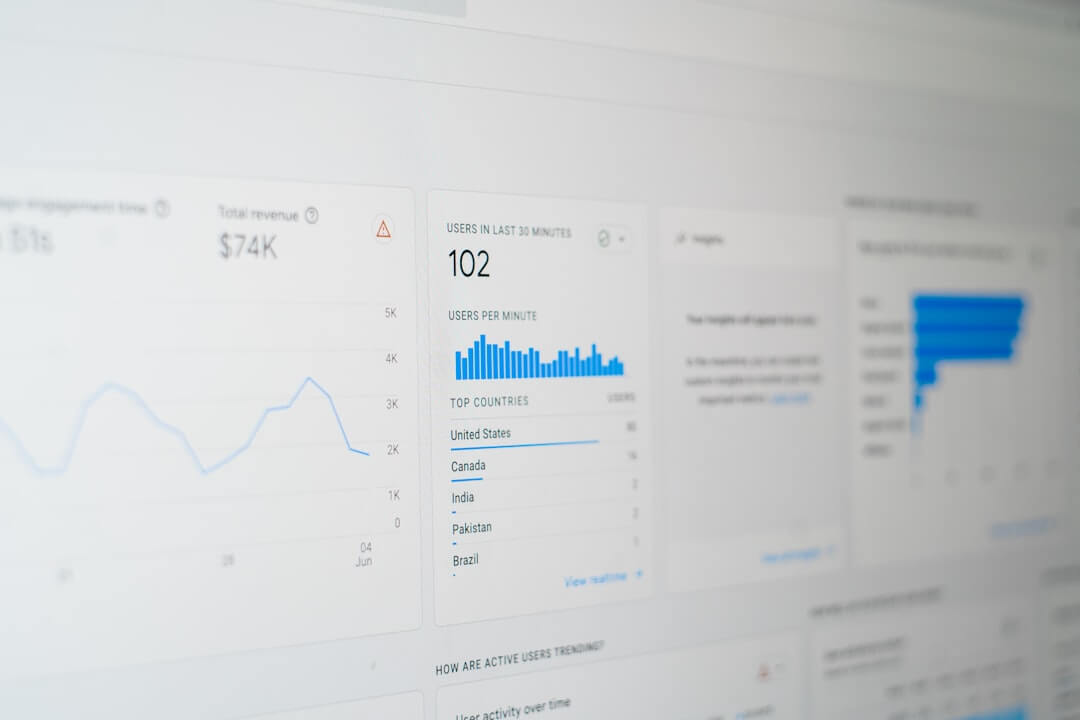 Press releases help SEO indirectly more often than directly. The value usually comes from discoverability, mentions, referral visits, and follow-on coverage rather than a pile of miracle links.
That is actually good news. Indirect SEO benefits are harder to brag about on LinkedIn, but they are usually the bits that last.
- Search-cited 2026 data suggests over 60% of press release traffic comes from search engines rather than direct media pickups
- The same source says releases placed with niche industry publications can generate 4x more backlinks than broad general distribution alone
- A 2026 PR statistics roundup reports a median of around 13 backlinks per release, with stronger campaigns earning 5 to 20 high-quality backlinks
This matters because search and PR now overlap more than most teams admit. If your release ranks for branded or topical queries, gets discovered by journalists, or earns pickup from relevant sites, it can contribute to authority in a very practical way.
According to Search Engine Journal, brand mentions and link earning from digital PR remain useful when the story is relevant and genuinely newsworthy. The release is the starting signal, not the finish line.
What a press release backlink strategy should actually aim for
 The real goal is not volume. The goal is to create a chain reaction that leads to relevant mentions, quality referring domains, and stronger brand signals.
A sensible backlink strategy starts with outcomes, not ego. Nobody needs 87 duplicate syndication pages and a false sense of achievement 🙂
| Goal | What to optimise for | What to ignore |
|---|---|---|
| Better SEO support | Relevant pickups, branded search lift, referring domains | Raw syndication count |
| Better link quality | Industry fit, editorial context, topical relevance | Random low-value reposts |
| Better visibility | Clear angle, strong headline, quotable data | Corporate waffle |
| Better conversion value | Traffic to a useful page, trust signals, message match | Vanity impressions alone |
A press release for SEO backlinks should support three things at once. It should help people find you, help publishers understand why you matter, and help search engines see consistent signals around your expertise.
That means your release needs a proper target page. Send readers to a relevant asset such as a study, launch page, category page, or founder profile, not a homepage that says almost nothing and looks surprised to have visitors.
Which kinds of press releases earn better backlinks
 Not every announcement deserves oxygen. The strongest releases for backlinks usually contain new information, useful data, or a clear market angle.
Plain self-congratulation is rarely link bait. “We are thrilled to announce” is not a news angle. It is a sentence people write when they have not found one yet.
- Original research, surveys, and proprietary data
- Product launches with a clear user problem solved
- Funding, partnerships, expansion, or hiring with market relevance
- Reports, rankings, forecasts, and expert commentary tied to a live trend
- Milestones with numbers that mean something beyond your office Slack
Data-led stories tend to travel further. If you publish a useful statistic, benchmark, or industry observation, you give journalists and bloggers a reason to reference your release or the page behind it.
Ahrefs has repeatedly shown that unique data and linkable assets attract more links than generic promotional pages. That is why pairing a release with a useful on-site asset often works better than distributing a release alone.
How to build a press release that is more likely to attract links
 Structure affects pickup. A release that is easy to scan, quote, and verify is more likely to be used by editors, contributors, and niche publishers.
This is where most brands make life difficult for themselves. They bury the point, hide the numbers, and produce a headline with the energy of a tax reminder.
- Lead with the news. Put the actual announcement in the headline and first paragraph.
- Use one clear angle. Do not cram product features, company history, founder philosophy, and three mission statements into one release.
- Add proof. Include numbers, dates, market context, user impact, or original data.
- Include a quotable line. A short executive quote helps secondary publications lift wording cleanly.
- Link to the right page. Point traffic to the most relevant destination on your site.
- Make it readable. Short paragraphs, plain English, and no jargon soup.
Formatting also matters for search visibility. Use descriptive subheadings, a focused keyword theme, and a clear company boilerplate so the page can stand on its own if it gets indexed.
If you need help tightening the draft, BrandPush has a useful press release writing guide. The boring truth is that better writing usually improves better linking.
How distribution affects backlink outcomes
 Distribution changes who sees the story. And who sees the story changes whether you get duplicates, genuine pickups, or no meaningful SEO impact at all.
This is why cheap reach can be expensive in practice. Paying less for broad posting is not a bargain if nobody relevant reads it.
- General distribution can help with baseline visibility and indexed coverage
- Niche and industry relevance often improves editorial pickup quality
- Stronger reporting helps you see which outlets mattered and where traffic came from
- Timing matters more than many brands expect, especially around launches and data announcements
The best distribution strategy matches the story to the likely linker. A B2B SaaS launch may earn more SEO value from specialist business and technology coverage than from a long tail of generic reposts.
For brands that want done-for-you placement and reporting, BrandPush can help distribute releases across major outlets and broader media networks. That gives businesses a practical way to turn one solid announcement into wider visibility without spending half the week chasing formatting rules.
What results are realistic from a press release for SEO backlinks
 A realistic campaign improves visibility before it improves rankings. You may see indexed pages, referral traffic, branded searches, mentions, and a handful of worthwhile links before any noticeable organic lift.
This is normal, not a sign of cosmic unfairness. SEO value from PR is often delayed because search engines need time to process links, mentions, and engagement signals.
| Outcome | Typical timing | What it can indicate |
|---|---|---|
| Syndicated coverage appears | 1-7 days | Distribution worked |
| Referral traffic arrives | 1-14 days | Headline and outlet fit were decent |
| Secondary pickups or mentions | 3-30 days | Story had wider interest |
| Backlink growth shows in tools | 2-8 weeks | Publishers linked or cited source pages |
| Organic impact becomes measurable | 1-3 months | PR supported discoverability and authority |
Use realistic benchmarks. If industry data suggests a median near 13 backlinks per release, that does not mean every campaign should hit 13, and it certainly does not mean all 13 will be brilliant.
Quality varies wildly. One relevant editorial link to a valuable commercial or research page can matter more than dozens of low-value reposts.
How to measure whether the release helped your SEO
 Measurement needs context. If you only count links, you will miss the broader SEO effects that make press releases worth doing.
A grown-up reporting view looks at several signals together. Slightly less exciting than vanity metrics, admittedly, but far more useful.
- Referring domains gained to the target page
- Branded search growth after the announcement
- Referral traffic from coverage and syndication pages
- Organic impressions for the linked page in Google Search Console
- Assisted conversions from visitors who first arrived via PR coverage
- Unlinked brand mentions that can become future outreach opportunities
Google Search Console and your analytics stack should do most of the heavy lifting. Pair those with backlink tools to see whether the campaign earned new domains, not just recycled duplicates.
HubSpot has useful guidance on attribution and campaign measurement, especially when multiple channels influence conversion. That matters because PR often assists SEO rather than claiming sole credit in a neat, flattering spreadsheet.
Common mistakes that kill backlink value
 Most weak results are self-inflicted. Brands often expect SEO gains from releases that contain no real news, no useful asset, and no obvious reason to link.
The internet is not withholding success out of spite. It is usually reacting sensibly to a forgettable story.
- Publishing non-news, such as minor website tweaks or vague “innovation” updates
- Linking only to the homepage instead of a relevant landing page or research asset
- Using keyword-stuffed anchor text that looks unnatural
- Ignoring industry publications that are more likely to care
- Measuring syndication volume instead of referral quality and referring domains
- Expecting immediate rankings from one campaign
Another mistake is forgetting the page behind the release. If the linked destination is thin, slow, or confusing, you waste the attention you just paid to generate.
If you are polishing headlines or trying not to write a release that reads like a hostage statement, the BrandPush help centre also covers how to create the perfect press release headline. Small editorial improvements can have very unglamorous but very real SEO effects.
The best approach is to treat PR and SEO as one workflow. Build the asset, shape the angle, distribute intelligently, and measure what happens after publication rather than declaring victory at the word “published”.
A press release for SEO backlinks works when it creates a credible story and points people to something worth citing. Done well, it supports search visibility, link earning, and brand trust in the same motion, which is a refreshingly efficient use of one announcement. BrandPush fits neatly into that process when you want distribution handled properly and without drama.
Frequently Asked Questions
Do press releases still help with SEO backlinks?
Yes, but mostly indirectly. They can create visibility that leads to editorial mentions, referral traffic, and secondary links from publishers or bloggers who discover the story.
Are press release links themselves enough to improve rankings?
Usually not on their own. The stronger SEO value tends to come from earned pickups and relevant referring domains, not just syndicated copies of the release.
How many backlinks can a good press release earn?
A 2026 statistics roundup reports a median of around 13 backlinks per release, with many solid campaigns landing 5 to 20 quality backlinks. Actual results depend on the story, targeting, and the asset being promoted.
What type of press release gets the best backlink results?
Releases with original data, timely commentary, market relevance, or a clear product story tend to perform best. Routine company updates with no broader interest usually attract very little linking.
Should I link to my homepage in a press release?
Only if the homepage is genuinely the most relevant destination. In most cases, a specific landing page, report, category page, or launch page is better for both users and SEO.
How long does it take to see SEO impact from a press release?
Initial coverage can appear within days, but backlink growth and organic effects often take weeks or months. PR-supported SEO is rarely instant, which is annoying but normal.
Is niche distribution better than broad distribution for backlinks?
Often, yes. One 2026 source reports that releases sent to niche industry publications generate 4x more backlinks than those sent only through broad general distribution.
What should I measure after publishing a press release?
Track referral traffic, referring domains, branded search lift, organic impressions, and assisted conversions. Those metrics show whether the release created meaningful search value rather than just noise.