Press Release for SEO Backlinks: What It Can Actually Do and What It Cannot
Quick answer: A press release for SEO backlinks rarely improves rankings through the syndicated links inside the release itself. Google has treated press release links as promotional for years, so the real SEO value comes indirectly through earned coverage, brand mentions, referral traffic, and the occasional natural third-party backlink.
Why press release backlinks are misunderstood
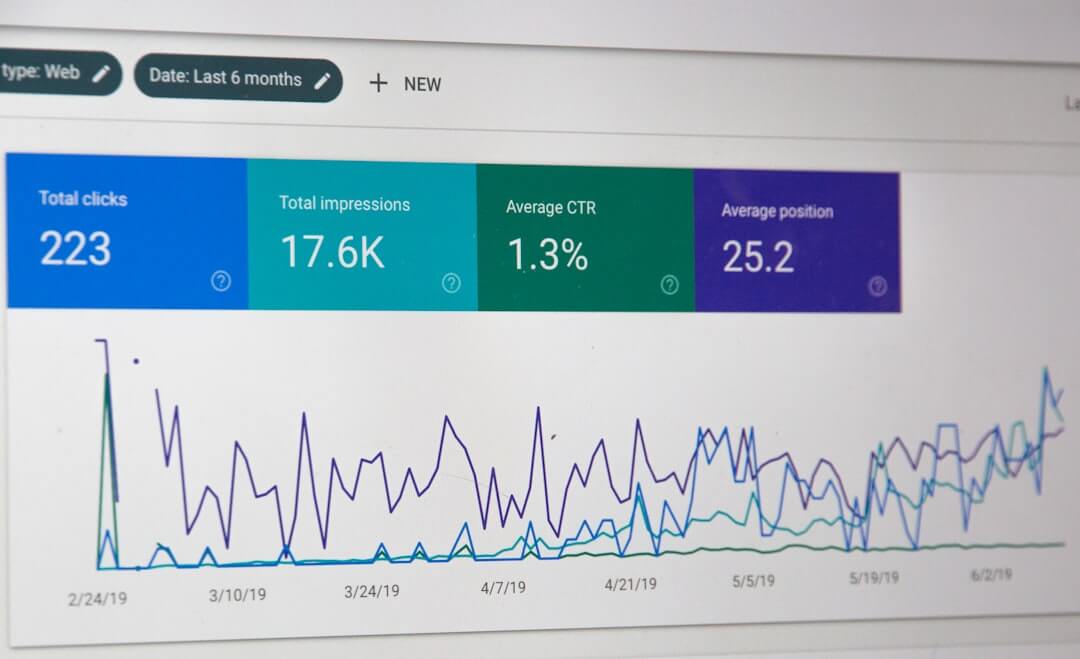 Press release backlinks are often misunderstood because distribution links and earned links are not the same thing. One is usually syndicated and low-impact for SEO, while the other can come from genuine editorial pickup and carry far more weight.
Google’s position has been broadly consistent since 2013. Links embedded in press releases should be treated as advertisements and are often nofollowed or ignored, which means they are not a reliable direct ranking lever according to reporting summarised by Ten Speed.
- Syndicated release links are usually duplicated across many sites
- Editorial backlinks come when a journalist, blogger, or publisher independently covers the story
- Brand mentions and traffic can still support visibility even when links do not pass authority
What a press release can still do for SEO
 A press release can still help SEO, just not in the lazy way some marketers hope. It works best as a visibility trigger that puts a story in front of publishers, creators, investors, customers, and searchers.
Indirect SEO effects are the real prize. Backlinko notes that press releases can lead to pickup on third-party sites that may include their own links, and that is where the stronger SEO upside begins.
| SEO effect | Direct from release? | Realistic impact |
|---|---|---|
| Syndicated backlink equity | Usually no | Low |
| Brand awareness | Yes | Moderate |
| Referral traffic | Yes | Moderate |
| Journalist discovery | Yes | High |
| Earned editorial backlinks | Sometimes | High |
| Entity and mention signals | Sometimes | Moderate |
This is why sensible PR people talk about outcomes, not magic links. A good release can create enough awareness for someone else to write about you, which is much more useful than spraying the same anchor text across the internet like it is still 2009 😌
How to use a press release for SEO backlinks properly
 A press release should support an SEO strategy, not replace one. The strongest approach is to use PR for newsworthy discovery and use your site for depth, conversion, and internal linking.
Start with a story that deserves pickup. Product launches, data reports, funding news, partnerships, expansion, milestones, and expert commentary all give publishers a better reason to cover you than a vague claim that your team is “delighted to announce” anything at all.
- Choose a news angle with a clear hook, number, or timely reason to care.
- Publish a matching landing page on your site that expands on the announcement.
- Link naturally from the release to the most relevant page, not five random commercial pages.
- Include proof such as statistics, customer numbers, launch details, or executive quotes.
- Distribute for visibility so the story can be discovered beyond your own channels.
- Follow up through owned media like email, LinkedIn, founder posts, and press outreach.
The landing page matters more than most brands realise. If someone discovers your announcement through syndication and clicks through to a thin page, the SEO opportunity dies quietly in the corridor.
For teams that want help getting a release live on major outlets without doing the admin themselves, BrandPush is a practical done-for-you option for distribution and placement support.
What kind of backlinks can come from press release activity
 Not all backlinks that follow a press release come from the same mechanism. That distinction matters because one type is mostly distribution plumbing, while another reflects genuine editorial choice.
The useful links are usually earned after the release, not inside it. When journalists, bloggers, newsletter writers, or niche publishers spot the story and cover it in their own words, those links can be far more meaningful.
- Syndicated links: duplicated copies of the release across partner sites, often low direct SEO value
- Editorial links: original coverage written by a third party, often the most valuable outcome
- Secondary links: bloggers, forums, or industry roundups that cite the original news later
- Unlinked mentions: still useful for awareness, branded search, and entity recognition
This is also where expectations need adult supervision. A press release is not a vending machine where you insert a fee and receive ten high-authority dofollow backlinks in return.
What makes a release more likely to earn coverage
 Newsworthiness beats optimisation tricks almost every time. If the story has no obvious relevance, no amount of keyword stuffing will persuade an editor to care.
The best releases give people a reason to repeat the story. That usually means fresh data, a bold but supportable claim, a timely peg, or a tangible business milestone.
- Specific numbers such as growth percentages, funding amounts, or survey findings
- Clear relevance to an industry trend, regulation, seasonal moment, or consumer shift
- Strong assets including logos, founder headshots, product images, or charts
- Good structure with a sharp headline, factual intro, and quote that sounds human
- A sensible target page that helps readers continue the journey
Formatting still matters because bad releases are hard to trust. If you need a refresher, BrandPush has a useful press release writing guide and a separate guide on how to create the perfect press release headline.
How to measure whether it worked
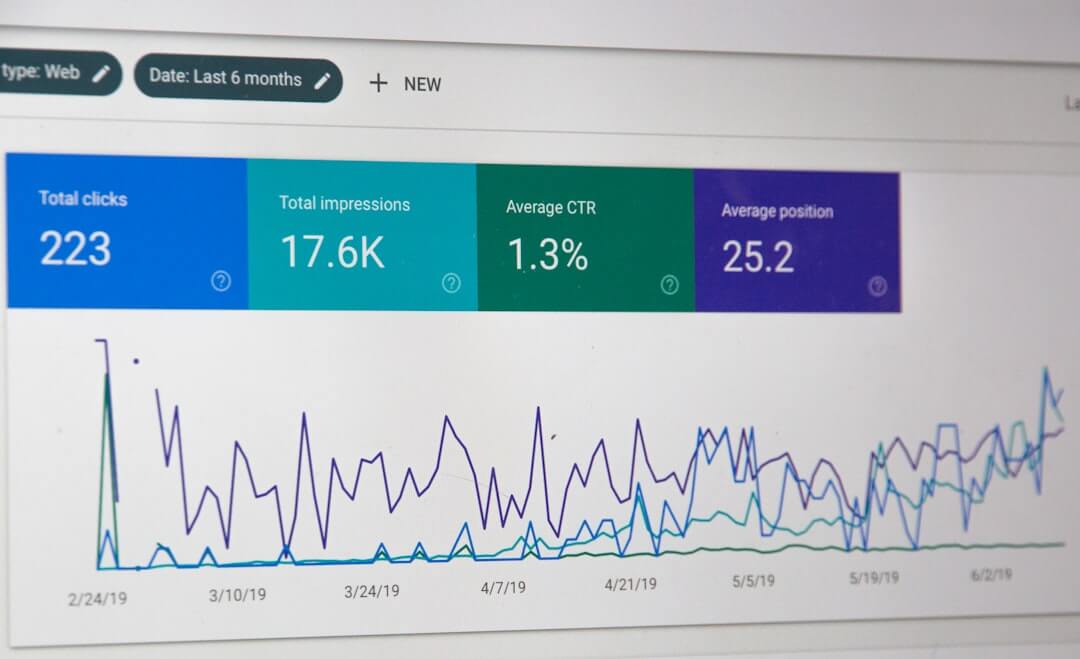 You cannot judge press release SEO value by link count alone. The proper measurement stack includes referral traffic, earned mentions, new backlinks from third-party coverage, branded search lift, and assisted conversions.
This is where many teams get hilariously distracted by vanity metrics. Seeing your release appear on dozens of sites may look impressive, but the better question is whether it produced discovery, coverage, and business movement.
| Metric | What it tells you | Good source |
|---|---|---|
| Referral sessions | Whether the release generated visits | GA4 |
| New referring domains | Whether earned links followed | Ahrefs or Moz |
| Branded search volume | Whether awareness increased | Search Console |
| Coverage quality | Whether credible sites picked up the story | Manual review |
| Assisted conversions | Whether PR contributed to sales journey | GA4 |
| Page engagement | Whether visitors cared about the destination page | GA4 |
Watch the weeks after distribution, not just the first day. Secondary pickup often appears later, especially if the release ties into a wider trend or gets shared by founders, customers, or industry accounts.
For broader SEO measurement frameworks, both Moz and Ahrefs have solid primers on tracking search performance without falling in love with nonsense metrics.
When a press release is worth doing for SEO
 A press release is worth doing for SEO when there is real news and a realistic amplification plan. It is much less useful when the goal is simply to manufacture backlinks out of thin air.
The right use case usually combines PR and search goals. You want visibility now, a stronger brand footprint later, and a decent chance of earning coverage that creates backlinks naturally.
A press release is usually a sensible move when you have:
- A launch, report, funding event, partnership, or milestone with genuine public interest
- A relevant page on your site built to capture traffic and explain the story properly
- Supporting assets and proof that make the claim credible
- A distribution plan that extends beyond posting it once and hoping for divine intervention
It is usually the wrong move if your only objective is link building. In that case, you are better off investing in digital PR campaigns, original research, expert commentary, or linkable content assets.
If you are planning distribution around a proper announcement, BrandPush also provides transparent pricing and package options so you can match the release to the size of the opportunity.
The honest verdict is simple. A press release for SEO backlinks works best as a discovery engine, not a direct link hack. If the story is real, the page is strong, and the distribution is sensible, PR can support search through mentions, coverage, traffic, and the occasional earned backlink that actually matters.
Frequently Asked Questions
Do press release links help SEO directly?
Usually not very much. Google has long treated links in press releases as promotional, and many are nofollowed or ignored, so direct ranking impact is often limited.
Can a press release still earn valuable backlinks?
Yes, but usually indirectly. The valuable links tend to come from journalists, bloggers, and publishers who discover the story and cover it independently.
What is the difference between syndicated links and editorial links?
Syndicated links are copied versions of the same release across multiple sites. Editorial links come from original third-party coverage and are generally more useful for SEO.
Should I add links to my website in a press release?
Yes, but keep them relevant and restrained. One or two natural links to the most useful page is sensible, while stuffing commercial anchors everywhere looks promotional and rarely helps.
Are nofollow links from press releases useless?
No, they can still drive traffic, awareness, and discovery. They are simply less reliable as a direct source of ranking power.
What kind of press release is most likely to attract backlinks?
A release with genuine news value has the best chance. Original data, strong milestones, funding news, partnerships, and timely commentary tend to perform better than generic announcements.
How long does it take to see SEO benefit from a press release?
Referral traffic can appear quickly, sometimes within days. Earned backlinks, branded search lift, and secondary coverage often take several weeks to show up.
Is a press release a good link-building strategy on its own?
Not on its own. It works better as part of a broader digital PR and content strategy that includes strong pages, outreach, and assets worth citing.
How do I measure ROI from a press release for SEO backlinks?
Track referral traffic, earned referring domains, branded search growth, assisted conversions, and the quality of any resulting media coverage. Link count alone is too crude to tell the full story.