How Much Do Press Release Distribution Services Cost in 2026?
Quick answer: Press release distribution services in 2026 typically range from under $100 to several hundred dollars per release, depending on reach, support, and publication goals. Public pricing examples in current coverage include low-cost submission options around $110 to $149, mid-range offers around $599, and premium national distribution pricing from $760+ into the $800+ range, with some international options costing far more.
Why do press release distribution services cost so differently?
 Price reflects workflow, reach, and support. You are rarely paying for a PDF to fly through the internet in a tiny suit.
The biggest cost drivers are usually distribution scope, editorial handling, speed, and whether the service includes help with writing, formatting, or approval checks.
- Geographic reach such as local, regional, national, or international distribution
- Submission model ranging from self-serve upload tools to done-for-you support
- Publication goals such as broad syndication, finance visibility, or niche relevance
A 2026 pricing overview cited public examples from under $100 to several hundred dollars per release across the market, which tells you one useful thing straight away: there is no single “normal” price for all use cases. That is mildly annoying, but also true.
What are the typical price ranges in 2026?
 Most brands can think in bands rather than one magic number. That makes budgeting less glamorous, but much more accurate.
The current public pricing references supplied for 2026 show a broad spread across the market, from entry-level posting tools to higher-cost national distribution.
| Price band | What it usually suggests | Public 2026 examples from supplied data |
|---|---|---|
| Under $150 | Basic distribution or lower-cost submission options | $110, $149 |
| $150 to $600 | Broader reach, added workflow, or stronger support | $599 |
| $600 to $900+ | National-level visibility or premium distribution infrastructure | $760+, $805, $880 |
| $1,500+ | International distribution or complex campaigns | $1,500 to $8,700 |
Based on the supplied 2026 sources, reported public examples include $110 for a budget release option, $149 for another low-cost option, $599 for a mid-market example, $760+ for a premium starting point, and $805 for a reported national base price. One guide also reported $880 for national social distribution and $1,500 to $8,700 for international distribution pricing.
The practical takeaway is simple. If your budget is below £100 or $100, expect a basic submission pathway, while national visibility and hands-on support often push pricing much higher.
What are you actually paying for?
 A press release fee is really a bundle of operational decisions. The invoice is less about poetry and more about process.
Some services charge mainly for the distribution network, while others bundle in editing, compliance checks, formatting, customer support, or reporting after publication.
- Writing and editing support if your release needs cleanup before submission
- Formatting and compliance checks to reduce rejection risk
- Reporting and proof of publication so you can verify where it landed
This matters because two offers with the same sticker price may deliver very different workloads for your team. One may expect you to arrive with a publication-ready release, while another may handle more of the heavy lifting.
If you want a more managed process, a done-for-you option like BrandPush can make sense because it is built for brands that want media visibility without spending half the day decoding submission rules. Bureaucracy is not a growth tactic 🙂
How should brands budget by goal?
 Your goal should set the budget, not the other way round. Buying distribution before defining the outcome is a fine way to collect regret.
A launch announcement, funding milestone, partnership story, and reputation-building campaign do not need the same distribution plan. They also should not share the same expectations.
| Goal | Sensible budget mindset | What to prioritise |
|---|---|---|
| Basic announcement | Lower-cost, controlled spend | Publishability, clear messaging, proof of placement |
| Brand visibility | Mid-range budget | Recognisable outlets, reporting, stronger presentation |
| National awareness | Higher budget | Broader distribution, support, timing, audience fit |
| International reach | Premium budget | Market targeting, localisation, approval process |
A realistic budget starts with the story. If your announcement is minor, an expensive blast rarely turns it into front-page drama.
For many brands, a mid-range approach works best when the release is tied to a real milestone, product launch, survey, hire, or partnership. If the story matters and the timing is right, distribution supports visibility rather than trying to manufacture it from thin air.
Which pricing details catch buyers out?
The advertised price is not always the full price. Marketing pages have been known to omit awkward details, usually by complete accident, obviously.
In the supplied research, one 2026 guide reported a $195 annual membership on top of certain quoted distribution prices, while another reported separate pricing tiers for state/local, regional, national, and international distribution.
- Membership or account fees that sit outside the release price
- Word-count limits that may increase the final bill
- Geographic upgrades for wider distribution beyond local or regional reach
This is why brands should ask for the total payable amount before approving anything. The useful budgeting number is not the headline price, but the all-in cost for the release you actually want to run.
Does a higher price mean better results?
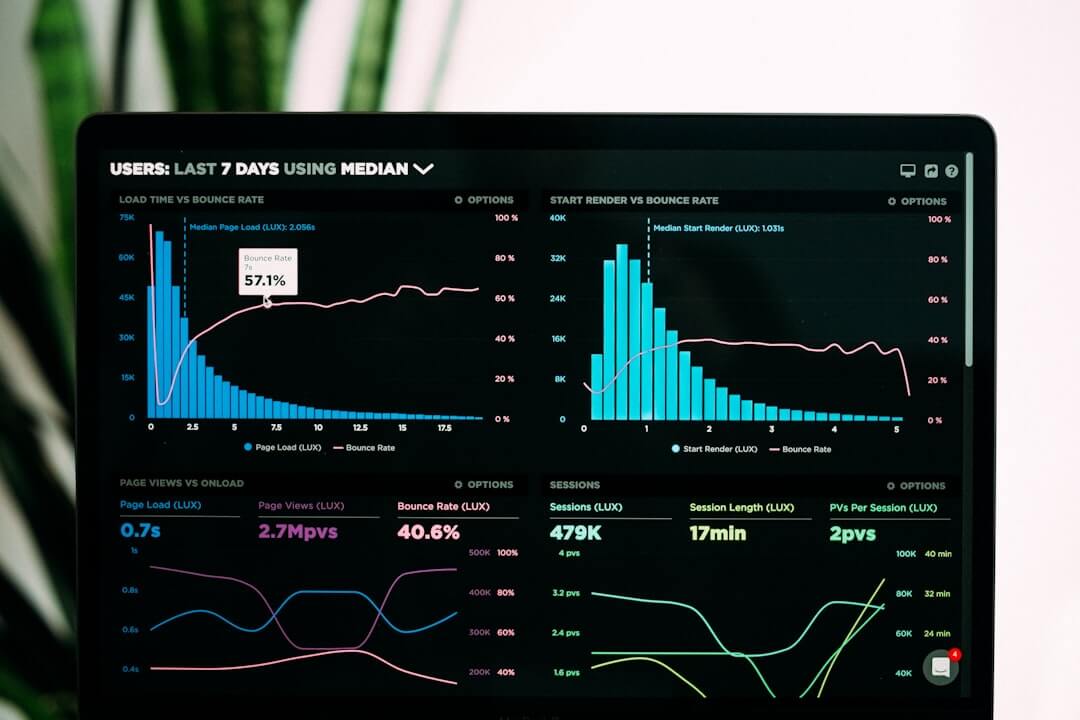 Higher cost does not guarantee better outcomes. It usually guarantees a higher invoice, which is a different thing entirely.
The supplied research did not include a reliable independent study with quantified ROI or SEO lift from press release distribution, so any sweeping claim that a bigger spend automatically delivers bigger business impact should be treated with caution.
What we do know is that distribution is commonly used for visibility, search presence, and the chance of secondary coverage, as noted in the BrandPush explainer on the topic. That means value depends heavily on whether your release is newsworthy, well written, and tied to a goal the business can actually measure.
A stronger story on a sensible package often beats a weak story on an expensive one. Journalism remains irritatingly attached to relevance.
What should you check before paying for distribution?
 A short checklist can save you from a bad buy. It is less exciting than a flashy promise, but far more profitable.
Before you pay, confirm what is included, where your release may appear, how reporting works, and what level of support you receive if edits are needed.
- Check publication expectations. Ask whether the service is offering broad syndication, targeted visibility, or a specific type of outlet presence.
- Check the workflow. Confirm who writes, edits, formats, and submits the release.
- Check the final cost. Ask about membership fees, add-ons, and word-count charges.
- Check proof of delivery. Reporting should show placements clearly rather than vaguely waving at the internet.
- Check topic acceptance. Some industries, claims, and website types need review before submission.
If you are still preparing the release itself, BrandPush has a useful press release writing guide and clear pricing and package options so you can match budget to objective without guesswork.
What does publication reach tell you about value?
 Reach matters, but context matters more. A big audience is helpful only if your story can benefit from being seen there.
In the supplied data, the clearest verified audience figure was for Yahoo Finance, where Semrush reported 134.18M U.S. traffic and Similarweb showed 1.82% month-on-month growth on a May 2026 page. That does not prove direct ROI, but it does show why visibility on recognised finance outlets is commercially attractive.
Reliable monthly traffic figures for some other commonly discussed outlets were not available in the supplied results, which is a good reminder not to invent certainty where none exists. You can review the platform data from Semrush and Similarweb if you want the raw audience context.
The best use of reach data is directional. It helps explain why brands pay for credible distribution, but it should not be mistaken for a guaranteed outcome or a proxy for sales.
Press release distribution services are worth paying for when the story is real, the goal is clear, and the package matches the job. In 2026, costs range widely because the market includes both low-cost submission tools and higher-support distribution options with broader reach.
If you want a sensible route without drowning in PR admin, BrandPush can help turn a publishable announcement into credible media visibility with a process that is much simpler than many buyers expect.
Frequently Asked Questions
How much do press release distribution services cost in 2026?
Public 2026 pricing examples in the supplied research range from under $100 to several hundred dollars per release, with premium or international options going much higher. Common public figures cited include $110, $149, $599, $760+, and $805.
Why are some press release distribution services so cheap?
Lower-cost services often offer a more basic submission model with less editorial support, narrower reach, or fewer workflow extras. Cheap does not always mean bad, but it usually means you need to do more yourself.
Why do premium distribution options cost more?
Higher-priced options often reflect broader geographic distribution, more support, stricter handling, or more established publication pathways. They may also include reporting, account management, or compliance checks that reduce friction for busy teams.
Is there a standard price for a national press release?
No single standard price exists across the market. In the supplied 2026 research, national pricing examples were reported around $805, with some related national distribution variants reported at $880.
Do press release distribution services charge extra fees?
Sometimes, yes. The supplied pricing data included one reported $195 annual membership fee in addition to release pricing, which shows why brands should ask for the all-in total before buying.
Does paying more guarantee better PR results?
No. The supplied research did not include a reliable quantified ROI study proving that higher spend automatically produces better outcomes, so story quality and relevance still matter most.
What should small brands budget for a press release?
Small brands should budget according to the significance of the announcement rather than chasing the biggest package available. For a straightforward visibility play, many businesses start with a controlled spend and upgrade only when the story justifies it.
Is press release distribution worth it for SEO?
It can support visibility, search presence, and possible secondary coverage, but the supplied research did not provide verified quantified SEO impact data. That means it is best treated as one part of a broader digital PR and search strategy, not a magic ranking lever.
How can I avoid overpaying for distribution?
Ask for the total cost, included deliverables, expected reporting, and any limits on words or geography. If the pricing page sounds simple but the invoice looks like a tax riddle, pause and ask better questions.