
How to Do PR Distribution for Small Business Without Wasting Budget
Quick answer: PR distribution for small business works best when you treat it as a visibility tool, not a lottery ticket. Small brands usually get stronger results by pairing a genuinely newsworthy story with clean distribution, realistic expectations, and follow-on use in SEO, sales, and social content.
Why PR distribution matters for small businesses
 Attention is expensive. PR distribution gives small businesses a way to put credible news in front of publishers, searchers, and potential customers without building a full in-house PR team.
Visibility compounds when the story is real. A well-placed release can support brand searches, trust signals, investor conversations, recruitment, and on-site conversion because people can actually find evidence that your company exists and is doing things worth noticing.
- It helps new brands look established faster
- It gives founders shareable proof points for prospects and partners
- It can support search visibility when branded queries increase
Start with the story, not the distribution
 Most failed PR starts with a boring announcement. If the update would not interest a customer, partner, or journalist, distribution will not rescue it.
Newsworthiness is the whole game. Product launches, funding, research, expansion, milestones, partnerships, executive hires, and original data tend to travel better than vague claims about being pleased to announce something nobody asked for.
A useful test is simple. If you strip away your brand name, does the underlying event still sound relevant to a real audience?
- New product or feature with a clear benefit
- Funding round, acquisition, or expansion into a new market
- Survey, benchmark, or original data with a strong takeaway
- Major customer milestone or measurable growth
- Partnership with a recognisable organisation
If your update feels thin, improve the angle before you buy distribution. A smaller business with a sharp hook will usually outperform a larger business with bland corporate porridge.
Set a budget that matches the outcome you actually want
 Budget mistakes usually come from vague goals. If you do not know whether you want reach, credibility, search support, or investor proof, every package will look either too cheap or oddly expensive.
Small businesses should budget backwards from use case. An occasional release tied to meaningful milestones often works better than random monthly announcements sent into the void.
Here is a simple planning view:
| Goal | Sensible frequency | Main success sign | Budget mindset |
|---|---|---|---|
| Brand credibility | Quarterly | Coverage you can reference | Pay for quality control and placement reach |
| Product launch support | Around launches | Traffic, mentions, demo interest | Tie spend to launch calendar |
| SEO and search visibility | Monthly or campaign-based | Branded search lift, indexed mentions | Reuse release content across channels |
| Investor or partner proof | At major milestones | Third-party coverage | Prioritise clean presentation and authority |
Some market pricing shows just how wide the spread can be. One legacy provider reseller lists packages at $399 for a basic release and $699 for a more advanced option, while another budget platform is cited from $89 per release, which tells you the category ranges from lean to quite punchy quite fast.
Those numbers are useful for context, not worship. Cheap distribution can be fine for a simple announcement, but the lowest price is not automatically the best value if the story is weak, the editorial checks are poor, or the final output is not something you would proudly send to a customer.
Choose distribution based on fit, not vanity promises
 Distribution is a method, not a miracle. The right setup depends on what you need the release to do after publication.
Small businesses benefit from clarity more than complexity. You want transparent deliverables, clear acceptance rules, and a realistic sense of where your story may appear.
A practical shortlist should include these checks:
- Are the submission guidelines clear?
- Does the provider explain what kinds of businesses and topics are accepted?
- Can you see a sample report or proof of distribution?
- Is the process simple enough that you will actually use it again?
- Are expectations framed around visibility, not fantasy guarantees?
If you want a straightforward done-for-you route, BrandPush is useful for small businesses that need broad online visibility without turning PR into a side hustle. It helps brands distribute press releases to major outlets and gives a cleaner process than trying to stitch everything together manually.
For extra prep, BrandPush also has a helpful guide on how to write a press release. That matters because even excellent distribution cannot save a release written like a tired board memo.
Write the release so people can quote it quickly
 A good press release is built for scanning. Editors, buyers, and AI systems all reward clarity, specifics, and sentences that say one thing well.
The best small-business releases are unusually concrete. They explain what happened, why it matters, who it affects, and what evidence supports the claim in the first few lines.
Use this structure:
- Headline: say what happened in plain English
- Opening paragraph: give the core fact and why it matters
- Body: add proof, context, numbers, and a quote
- Boilerplate: explain who the company is
- Contact details: make follow-up easy
Strong releases usually include:
- A specific date, number, or milestone
- One clear customer or market benefit
- A quote that sounds human rather than legally sedated
- A link to the landing page or announcement page
There is also a technical reason to keep things tidy. Search engines and answer engines tend to favour content that is explicit, well-structured, and easy to parse, which is why concise language beats adjective soup every time. For broader SEO context, Ahrefs and Moz both regularly emphasise the value of clear structure, intent matching, and authority signals.
Measure results beyond raw pickup numbers
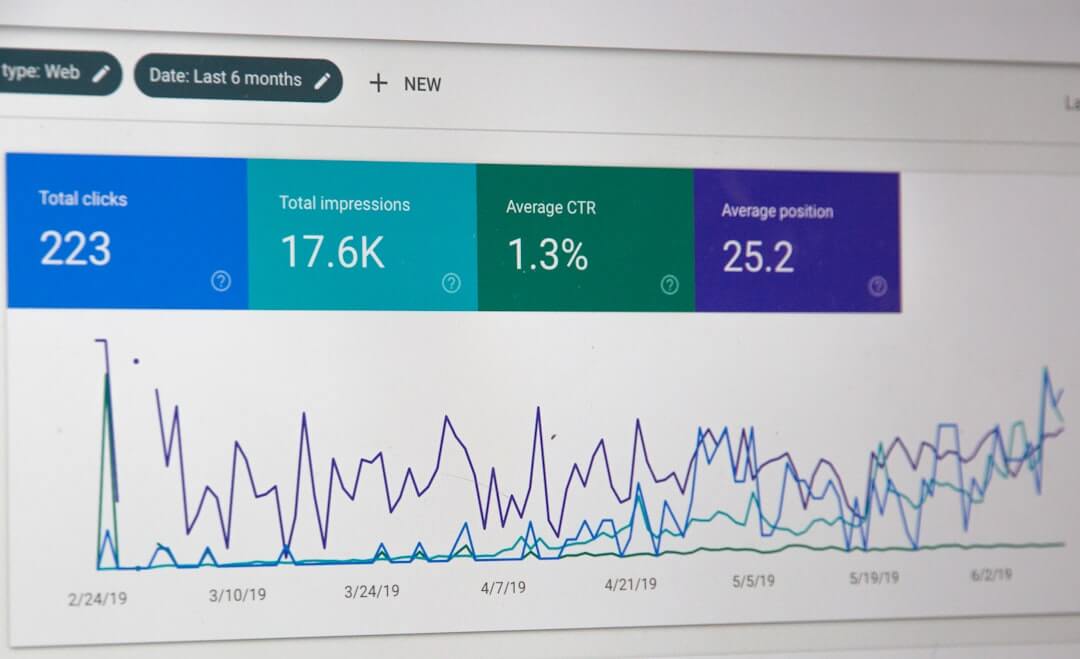 A long outlet list is not the whole result. Small businesses should judge PR distribution by what changed after the release, not just by how many websites copied it.
Useful PR measurement is surprisingly unglamorous. Look for signs of trust and commercial movement, not just a screenshot for LinkedIn applause 👀
Track these metrics after each release:
- Branded search lift in Google Search Console
- Referral traffic from coverage or reposts
- Demo requests, sign-ups, or enquiries
- Sales-team usage of the coverage in outreach
- Backlink profile changes over time
- Assisted conversions in analytics
A simple measurement table helps keep everyone honest:
| Metric | What it shows | Good question to ask |
|---|---|---|
| Impressions or pickups | Surface reach | Did the story travel at all? |
| Referral traffic | Immediate interest | Did anyone click through? |
| Branded search growth | Awareness and recall | Are more people searching for us by name? |
| Lead quality | Commercial relevance | Did the release attract the right audience? |
| Mentions in sales calls | Trust value | Are prospects recognising the brand? |
Do not expect one release to transform rankings overnight. Even the available provider claims in the market tend to focus on SEO enhancements, syndication reach, and database access rather than guaranteed ROI, because formal public studies on press release ROI are thin on the ground.
Make each release work harder after publication
 The release is the start, not the finished product. Small businesses get the best returns when they repurpose the announcement across owned and earned channels.
Distribution creates assets you can reuse. The smartest teams turn one announcement into website proof, email content, founder posts, ad creative, and sales collateral.
After your release goes live, reuse it in these places:
- Add a featured in or latest news block on your site
- Send the coverage to warm prospects and partners
- Turn the release into a founder LinkedIn post
- Build a short email for customers or investors
- Use claims and stats from the release in sales decks
If you need examples of how search visibility connects to release distribution, BrandPush has written about how press releases rank on Google. It is a handy reminder that the release should support a wider search strategy, not sit alone like a lonely PDF at a trade show.
One more thing matters here. Targeted trade and niche publications often produce better business outcomes than scattergun reach because relevance beats noise, a point also echoed in guidance from Search Engine Journal and specialist PR resources. In other words, being seen by the right hundred people can be worth more than being ignored by ten thousand 🙂
Common small-business PR mistakes to avoid
 Most PR waste is self-inflicted. Small businesses often miss results because they publish at the wrong time, say too little, or expect distribution to do the thinking for them.
Avoidable mistakes are wonderfully consistent. That is good news because it means you can dodge them with a bit of discipline.
- Sending non-news, such as minor website tweaks
- Writing headlines full of fluff instead of facts
- Hiding the actual announcement until paragraph four
- Using quotes that sound generated by an anxious committee
- Measuring success only by syndication count
- Failing to repurpose the release after publication
A good rule is brutally simple. If a customer, journalist, or investor would ask “why should I care?” within five seconds, rewrite the piece before distributing it.
PR distribution for small business works when the story is timely, the release is clear, and the follow-through is organised. If you want an easier route from draft to publication, BrandPush can help turn genuine company news into usable visibility rather than just another forgotten marketing task.
Frequently Asked Questions
What is PR distribution for small business?
PR distribution for small business is the process of sending a company announcement to media networks, publishers, and online outlets so it can gain visibility. It is usually used for launches, milestones, partnerships, funding, research, or other genuinely newsworthy updates.
Is PR distribution worth it for a small business?
It can be worth it when the story is strong and the business knows what result it wants. The value usually shows up in credibility, branded search, sales enablement, and reusable proof, not instant fame.
How much should a small business spend on press release distribution?
It depends on frequency, goals, and how much support is included. Publicly cited market pricing ranges from about $89 at the low end on some platforms to $399-$699 for more advanced distribution options through legacy-style providers and resellers.
What kind of news is suitable for a press release?
The best candidates are updates with a clear public angle, such as product launches, funding, original data, partnerships, hiring announcements, and expansion. “We refreshed our homepage” is not news unless your homepage now predicts the weather and files taxes.
Do press releases help SEO?
They can support SEO indirectly by increasing brand visibility, generating mentions, and creating assets that attract attention and links over time. They are most useful as part of a broader search strategy rather than as a magic backlink vending machine.
How often should a small business send a press release?
Most small businesses do better with milestone-based distribution than arbitrary monthly volume. Quarterly releases are often enough unless the company has frequent launches, research, or funding news.
What should a small business expect after distribution?
Expect publication across a range of online outlets, some referral traffic, and stronger credibility signals if the story is solid. Do not expect every release to trigger journalist outreach, top-tier editorial features, or overnight revenue jumps.
Can one press release lead to actual sales?
Yes, but usually through trust and follow-up rather than direct last-click attribution. A release can help prospects feel more confident, give sales teams proof points, and improve conversion on branded traffic.
Should small businesses write releases in-house or outsource them?
Either can work if the final draft is clear, factual, and genuinely newsworthy. In-house drafting is fine for teams with strong writing discipline, while outsourcing helps when the business needs editorial polish and a faster process.