
How to Get Featured on Business Insider Without Wasting Months on Bad Pitches
Quick answer: To get featured on Business Insider, you need a newsworthy story, clear evidence, and a distribution or pitching plan that matches the publication’s editorial standards. Most brands do not get coverage because their announcement is too promotional, too vague, or arrives with nothing a journalist can verify.
Why Business Insider coverage is hard to earn
 Business Insider is a major digital publisher, so the bar is not low just because the internet is full of headlines. It reaches millions of unique monthly visitors, which means editors can afford to ignore anything dull.
Editors are not looking for adverts in a trench coat. They want stories with a clear angle, timely relevance, and facts that hold up when somebody squints at them suspiciously.
- A product launch on its own is rarely enough
- A funding round, data study, growth milestone, or trend insight is more useful
- Claims without numbers, names, or context tend to die quietly
What counts as a Business Insider-worthy story
 The story matters more than the brand. A small company with strong evidence can be more interesting than a larger one with a painfully self-important quote.
Newsworthiness usually comes from change. That could mean new funding, hiring, expansion, original data, a timely consumer trend, a major partnership, or a founder story tied to a wider market shift.
Here is a simple filter to use before you pitch or distribute anything:
| Question | Why it matters |
|---|---|
| Is this new in the last 30-90 days? | Timeliness increases editorial value |
| Can we prove it with numbers or documents? | Verification reduces risk for journalists |
| Does it connect to a broader trend? | Bigger context makes the story more useful |
| Would a reader care if they did not know our brand? | Audience relevance beats brand ego |
A good story has a hook, a reason now, and proof. If your announcement only says you are “excited to announce”, you have written a company memo, not a media story.
- Funding and revenue milestones often work because they show momentum
- Original data can work because it gives journalists something to cite
- Founder stories can work if they reflect a wider business or consumer pattern
How to shape your angle before you contact anyone
 Angle first, format second. Many brands obsess over the press release layout before deciding what the actual story is, which is a bit like framing a photo you have not taken.
The strongest angle is usually specific, timely, and externally relevant. “We launched a feature” is weak, while “New data shows 62% of small firms changed hiring plans after X, and our platform saw Y response” gives a journalist something they can use.
Try this three-part structure:
- What happened? State the news in one sentence.
- Why now? Connect it to a current market, consumer, or business shift.
- Why should anyone care? Add a number, customer outcome, or credible source.
Specificity is your friend. Replace fluffy words with facts, dates, percentages, customer counts, revenue figures, or named partners where appropriate.
If you are writing a release, the how to write a press release resource is useful for structure, and the how to create the perfect press release headline guide helps keep the headline from sounding like it was generated by a very optimistic toaster.
What your press materials need before distribution
 Clean materials make journalists faster. If an editor has to dig through your site to work out what you do, they will simply go and publish somebody else.
Your media pack should answer basic questions immediately. That means who you are, what happened, when it happened, why it matters, and how the claim can be verified.
Minimum assets to prepare:
- A press release with a factual headline and strong opening paragraph
- A short company boilerplate with website and founder details
- One named spokesperson with title and contact information
- Supporting evidence such as screenshots, data, filings, or customer numbers
- A few usable quotes that sound human rather than haunted
Visuals help when they add clarity. Founder photos, product screenshots, charts, and team images can support coverage, especially when they are well labelled and easy to access 📸
Should you pitch directly or use distribution?
 Both routes can work, but they solve different problems. Direct pitching is precise and relationship-driven, while distribution is efficient when you have a genuinely solid announcement and want broader pickup.
Distribution is often the more practical route for brands without a media list or PR team. A done-for-you service such as BrandPush can help place your release across major outlets and improve your chances of being seen in the right editorial ecosystem.
Here is the simple decision framework:
| Situation | Better route |
|---|---|
| You have a highly tailored story for one journalist or vertical | Direct pitch |
| You have a strong announcement with broad business relevance | Distribution |
| You need both reach and a reusable media asset | Distribution first, then targeted follow-up |
| You have no proof, weak timing, or no real news | Wait and improve the story |
Coverage is not guaranteed by sending more emails. It is usually improved by making the story sharper, the proof stronger, and the package easier to trust.
- Pitch directly if you know the writer and have a tailored angle
- Use distribution if you need visibility across recognised outlets
- Combine both if you want reach plus relationship-based follow-up
What results should you realistically expect?
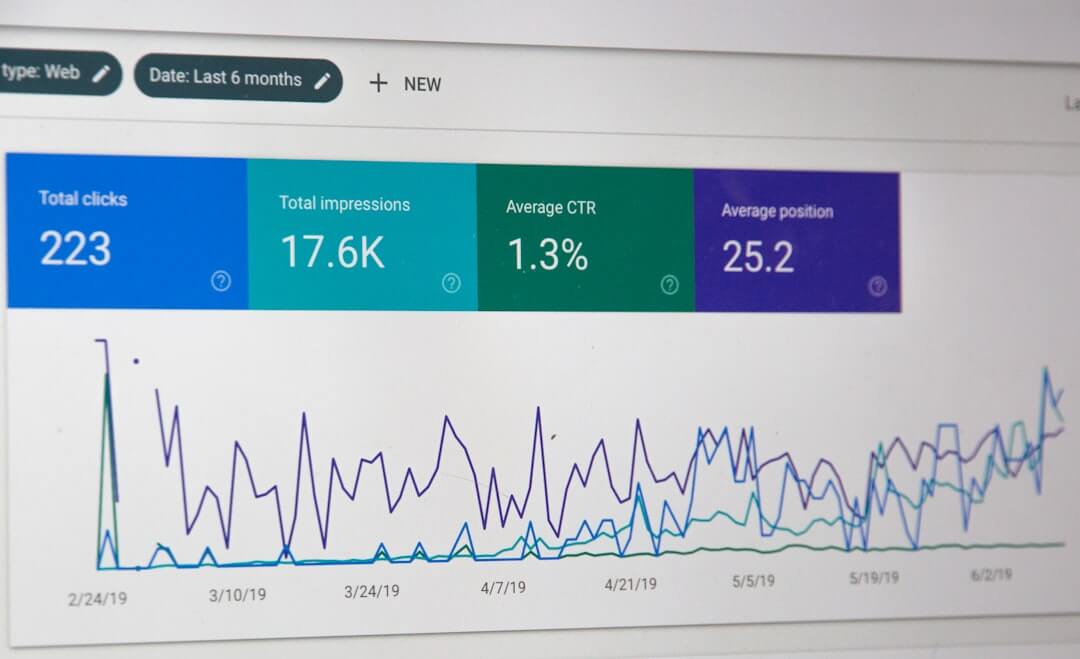 A mention on Business Insider is valuable, but it is not a magic spell. The real benefit is a mix of credibility, reach, referral traffic, and SEO support, especially when the story appears on a recognised publication with a large audience.
Business Insider reaches millions of monthly readers, and BrandPush notes that features there can help brands reach 148M+ global readers through broader media exposure.[1] That scale is useful, but the exact outcome still depends on your headline, timing, market interest, and what readers do next.
The outcomes most brands should track are:
- Referral traffic to the landing page or homepage
- Branded search lift after publication
- New backlinks and secondary media mentions
- Lead quality, not just raw visits
- Sales conversations influenced by third-party credibility
Think in terms of momentum, not miracles. Good coverage tends to support future trust signals, investor conversations, sales decks, and search visibility over time rather than delivering instant riches by teatime 🙂
Common mistakes that quietly kill your chances
 Most failed outreach is predictable. The same problems appear again and again, just with slightly different logos on the PDF.
The biggest issue is confusing promotion with news. Journalists care about what changed and why it matters, not how thrilled your team is to unveil a redesigned button.
Watch for these mistakes:
- Leading with brand slogans instead of facts
- Sending a story with no numbers, proof, or supporting context
- Using a generic headline that says nothing specific
- Pitching too late after the news is no longer new
- Ignoring whether the story suits a business readership
- Forgetting a clear call to action on your own website
If you are cleaning up a weak draft, the BrandPush guide on 14 common mistakes to avoid in a press release is a sensible place to start. For broader search visibility context, resources from Ahrefs and Moz are also useful when thinking about how authority and discoverability interact with digital PR.
A practical 7-day plan to improve your chances
 You do not need a six-month PR retreat in the countryside. You need one week of focused work and a refusal to publish flimsy nonsense.
This plan is simple enough to execute and strict enough to stop weak stories escaping into the wild. If the story fails on day two, that is useful information, not a tragedy.
| Day | Action |
|---|---|
| 1 | Define the news and write a one-sentence angle |
| 2 | Gather proof, numbers, links, and spokesperson quotes |
| 3 | Draft the press release and tighten the headline |
| 4 | Build a media pack with visuals and company facts |
| 5 | Choose distribution, direct outreach, or both |
| 6 | Publish or send, then monitor pickup and traffic |
| 7 | Follow up with a sharper angle if there is traction |
A disciplined process beats hopeful chaos. If you want a straightforward route to distribution once the story is ready, BrandPush can help get the release in front of major outlets without turning the whole exercise into an administrative hobby.
Getting featured on Business Insider is less about luck than many brands assume. It usually comes down to having a story that is timely, provable, and relevant to a wider audience, then packaging it so an editor can understand it quickly.
If your angle is strong and your materials are clean, coverage becomes far more plausible. And if you need a practical way to distribute credible business news at scale, BrandPush is a useful next step rather than another item on the wish list.
Frequently Asked Questions
Can any business get featured on Business Insider?
Yes, but not every business has a story that fits at a given moment. The deciding factor is usually newsworthiness, not company size.
Do I need a press release to get featured on Business Insider?
No, but it helps when you need a clear, shareable media asset. A well-written release gives journalists facts, quotes, and context in one place.
What kind of stories are most likely to get attention?
Funding rounds, original data, strong growth milestones, timely trend insights, and significant partnerships tend to be more useful than routine product updates. The key is showing why the story matters beyond your own brand.
Is direct pitching better than distribution?
Not always. Direct pitching works best when the angle is highly tailored, while distribution is useful when the announcement has broad relevance and you want wider pickup.
How long does it take to get featured?
It varies widely. Some stories gain traction quickly if the timing is strong, while others need refinement, follow-up, or a better hook before they attract attention.
Does Business Insider coverage help SEO?
It can support SEO indirectly through brand authority, referral traffic, branded search, and secondary links. It should be treated as part of a wider digital PR strategy rather than a shortcut to rankings.
What should I include in a media pack?
Include the press release, company boilerplate, founder details, high-quality images, supporting numbers, and a clear contact point. The easier it is to verify your story, the easier it is to consider covering it.
What is the biggest mistake brands make?
The most common mistake is treating promotion as news. If the story has no clear change, proof, or broader relevance, journalists are unlikely to care.