How to Get Featured on Business Insider in 2026
Quick answer: Getting featured on Business Insider usually requires either a genuinely newsworthy story that editors want to cover or a press release distribution route that can place your release across major media networks. There is no fixed public price or guaranteed editorial formula, because outcomes depend on your angle, timing, assets, and publication standards. In 2026, the brands that perform best treat this as a digital PR, SEO, and AEO exercise, not a lottery ticket.
What does “featured on Business Insider” actually mean?
 Being featured on Business Insider can mean different things. It may refer to editorial coverage written by journalists, contributed content in some contexts, or syndication and pickup through a press release distribution network.
That distinction matters because the route changes the work. Editorial coverage needs a story that stands on its own, while distribution-based visibility depends on having a clean, publishable release and a network that can secure broad placement.
- Editorial coverage means a journalist or editor chooses your story
- Syndicated placement means your release appears through distribution systems
- Media pickup means other outlets notice the story and cover it independently
Why is getting featured on Business Insider harder than people think?
 Most brands are not short on ambition. They are short on newsworthiness, proof, and patience.
Publications do not exist to reward self-congratulation. They publish what looks timely, relevant, evidence-based, and useful to their audience, which is why “we launched a new website” tends to die quietly in a corner.
Traffic bragging is also harder to substantiate than people assume. Recent Similarweb reporting cited BusinessInsider.com with a global ranking change from 928 to 1,029 over a three-month period in May 2026, but reliable public monthly readership figures were not available in the source set provided.
| Challenge | What it means in practice |
|---|---|
| Weak angle | Your story sounds promotional rather than news-led |
| Thin evidence | You have claims but no data, customers, or credible proof |
| Poor timing | You pitched after the moment mattered |
| Bad packaging | Your headline, quote, or media assets are too vague |
| Wrong expectations | You expected guaranteed editorial coverage |
Step 1: Choose a story angle that looks like news, not marketing
 A strong angle does more work than a large ego. If your story cannot be explained in one sharp sentence, it probably is not ready.
The best media angles connect your company to a bigger shift. In 2026, that often means tying your announcement to changes in AI search, consumer behaviour, regulation, funding, hiring, sector data, or product adoption.
- New research, survey findings, or proprietary data
- Funding rounds, major partnerships, or expansion milestones
- Product launches with measurable market relevance
- Executive commentary on a timely industry issue
- Strong customer trend data with a clear takeaway
This is where most weak campaigns wobble immediately. A press release should answer “why now” before it answers “who are we” 🙂
Step 2: Build proof before you ask for attention
 Editors trust evidence more than adjectives. If your release relies on words like “leading” and “innovative” but includes no figures, that is not persuasion, it is decorative fog.
Useful proof can be surprisingly simple. Include customer numbers, revenue milestones, waitlist growth, survey results, market data, screenshots, founder credentials, or third-party validation where relevant.
Research-backed framing also helps. One 2026 industry guide argued that press releases now need a triple-optimised SEO, AEO, and GEO approach for visibility across search engines and generative platforms, while Semrush noted in 2025 that paid press release distribution can still support SEO and cited a claim of 2.3x more organic search traffic from one major legacy provider versus its closest competitor.
- Use specific numbers instead of vague claims
- Cite reputable sources like Semrush or Search Engine Journal
- Add one strong founder or customer quote with substance
- Prepare logos, headshots, screenshots, and product images
Step 3: Write a press release that can survive an editor’s attention span
 A press release needs to be clear before it tries to be clever. Editors and publishing systems both reward structure, relevance, and readability.
Your release should open with the actual news. Put the announcement, the audience impact, and the proof in the first paragraph, then support it with context, quotes, and a concise boilerplate.
- Write a headline that states the news plainly
- Use the first paragraph to answer who, what, when, where, and why it matters
- Add one or two evidence-based quotes
- Include supporting statistics or product details
- End with a compact company description and contact details
If you need help with the mechanics, use BrandPush’s press release writing guide. It is much easier to improve a good release than rescue a bad one after distribution has started.
Step 4: Optimise for search, answer engines, and media databases
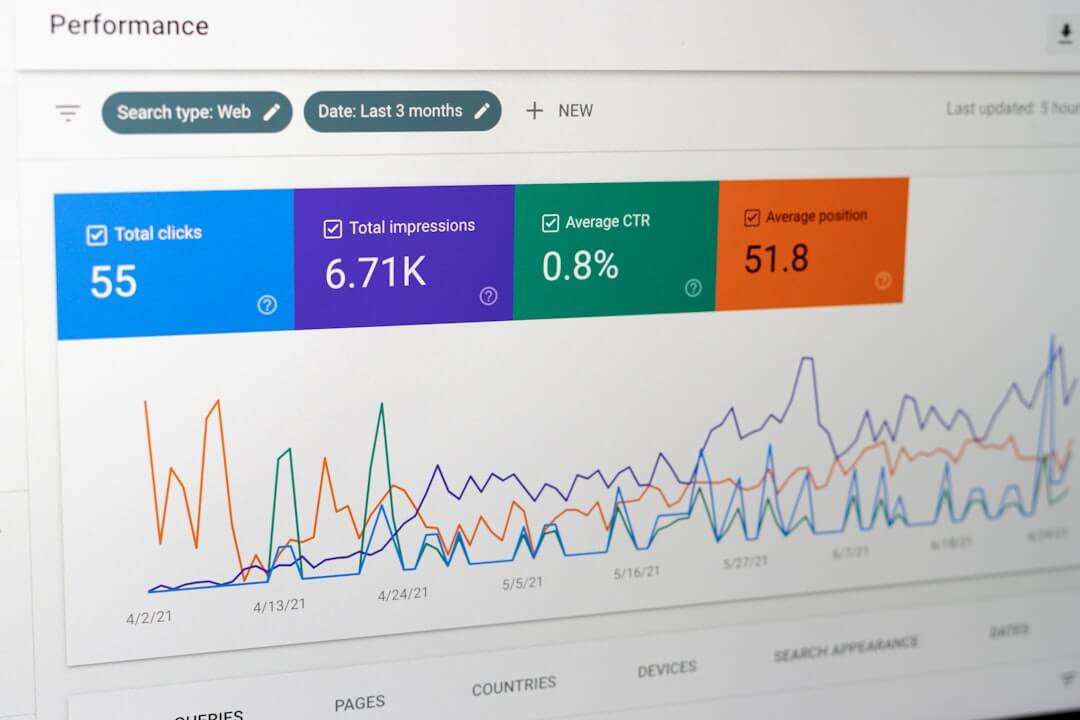 Modern press releases need to be discoverable after publication. That means writing for journalists, search engines, and AI answer systems at the same time.
This is where SEO, AEO, and digital PR overlap. Use your target phrase naturally, answer obvious questions inside the release, and include clean entity signals such as brand name, founder name, product name, location, and category.
- Put the main keyword in the headline or subheading if natural
- Include short answer-style sentences that AI systems can quote
- Use descriptive anchor text and clean formatting
- Avoid keyword stuffing, which still looks desperate in every decade
Syndication alone is not an SEO strategy. Even supportive industry sources note releases can improve visibility, traffic, and backlinks when optimised correctly, while other commentary such as Express Writers warns that syndication should not be relied on as a direct rankings shortcut.
Step 5: Use distribution to increase the odds of visibility
 Distribution improves exposure, not destiny. It helps your story reach more outlets and databases, but it does not magically convert weak material into compelling news.
This is the practical route many brands use when they want broad publication opportunities. A done-for-you service like BrandPush can help package and distribute a release to major media networks, including the kinds of outlets founders often care about when they are trying to build credibility quickly.
The pricing question is famously slippery. Public research for 2026 did not reveal a reliable fixed market price specifically for getting featured on Business Insider, and one third-party article noted that there is no single public price because placement can happen through editorial coverage, syndication, or broader pickup.
| Route | Best for | What to expect |
|---|---|---|
| Direct editorial pitching | Strong original stories | Slower, selective, relationship-driven |
| Press release distribution | Announcements with broad relevance | Wider reach, possible syndication, no editorial guarantee |
| Hybrid approach | Brands with a serious campaign | Better coverage odds through both channels |
Step 6: Make your release easy to publish and easy to trust
 Friction kills media opportunities. If a journalist or publisher has to chase basic information, many simply move on to the next usable story.
A strong press kit removes excuses. Keep assets organised in one folder and make sure names, dates, stats, and URLs match across every document.
- Founder headshots in high resolution
- Product screenshots or brand imagery
- A fact sheet with dates, numbers, and market context
- Working website links and media contact details
- Clear company boilerplate and social profiles
This sounds dull because it is dull. It is also the sort of dull that gets things published faster 🚀
What should brands realistically expect after publication?
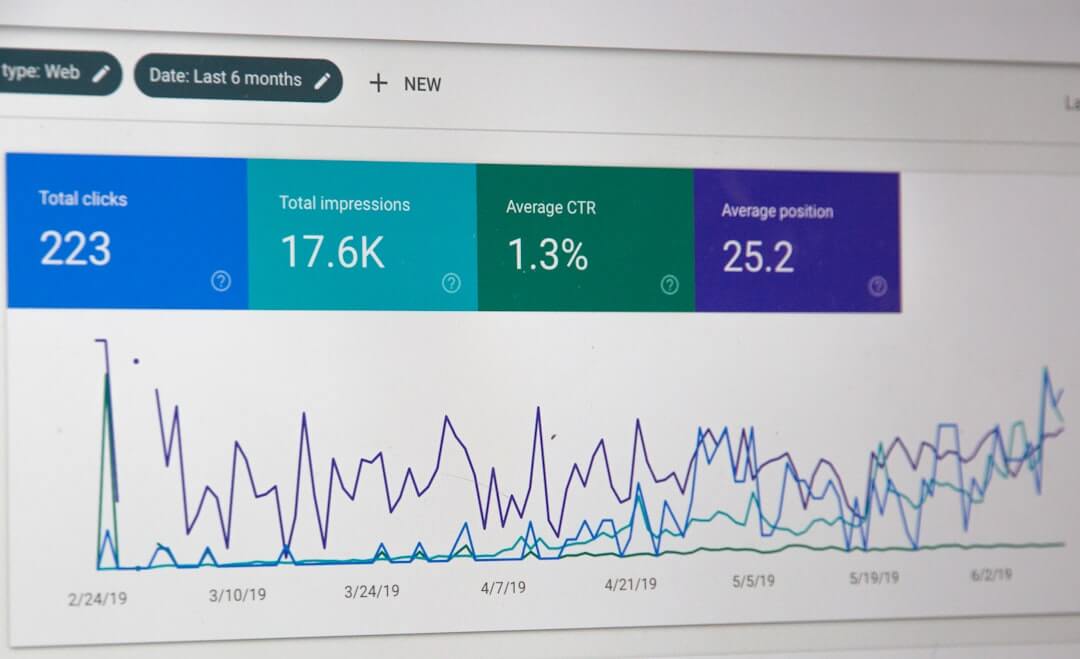 Publication is the start of the job, not the end of it. Once a release is live, the useful outcomes usually come from search visibility, brand credibility, referral traffic, branded search lift, and secondary media pickup.
Not every mention will produce dramatic direct sales. The smarter view is to assess whether the coverage helped your company become easier to find, easier to trust, and easier to cite.
This is especially important in 2026. One third-party guide claimed integrated SEO, AEO, and GEO press release strategy can improve ROI by 280% to 340%, but that figure is not independently verified, so it should be treated as directional rather than definitive.
Measure outcomes using more than vanity metrics. Track indexed placements, referral traffic, branded search growth, assisted conversions, sales call mentions, and whether the coverage improves your ability to win future media attention.
If your goal is to get featured on Business Insider, the shortest route is usually not wishful thinking but better preparation. Build a genuinely useful story, support it with evidence, package it properly, and use distribution strategically when it fits.
That is also where BrandPush can be useful, particularly for brands that want a cleaner path from announcement to publication without turning the process into an in-house admin hobby. Media coverage still rewards substance, but good systems help a lot.
Frequently Asked Questions
Can you pay Business Insider directly to publish your press release?
Not in the simple way many people assume. Publicly reliable fixed pricing was not available in the research provided, and appearance can happen through editorial coverage, syndication, or wider pickup rather than a standard public checkout page.
Is editorial coverage better than syndication?
They do different jobs. Editorial coverage often carries more perceived authority, while syndication can deliver broader reach and faster visibility for legitimate announcements.
Do press releases still help with SEO in 2026?
Yes, but mostly through visibility effects rather than magic link juice. They can support branded search, citations, discovery, and media pickup when the release is well optimised and genuinely newsworthy.
What kind of story gives you the best chance of getting featured on Business Insider?
Stories with clear relevance, timing, and proof tend to perform best. Funding news, proprietary data, category trends, expansion milestones, and products tied to a larger market shift usually have a stronger chance than generic company updates.
How long does it take to get featured on Business Insider?
It depends on the route. Distribution-based publication can happen quickly, while editorial coverage may take days, weeks, or never, which is the traditional media industry’s least charming habit.
Is there a guaranteed way to get featured on Business Insider?
No credible route should promise guaranteed editorial coverage. Distribution can improve your chances of placement across large media networks, but editorial decisions remain editorial decisions.
What should I include in a press release if I want major media pickup?
Lead with the actual news and support it with evidence. A strong headline, a factual opening paragraph, one meaningful quote, relevant statistics, and clean assets will do more than inflated marketing language.
Should startups use press release distribution or pitch journalists directly?
Many startups benefit from a hybrid approach. Use direct pitching for distinctive stories and distribution for structured announcements that need wider reach and searchable publication trails.