
What Are High Quality Backlinks and How Do You Earn Them Without Looking Spammy?
Quick answer: High quality backlinks are links from relevant, trusted websites that appear naturally within editorial content and point to useful pages. Google tends to value authority, relevance, placement, anchor text variety, and destination quality more than raw link counts. In plain English, one strong link from the right site can do more than a bin full of mystery links from places that look like they were built in 2009.
What makes a backlink high quality?
A high quality backlink is not just any clickable blue thing. It is a link from a credible site, on a relevant topic, placed in a useful context, and pointing to a page worth visiting.
Authority and relevance do most of the heavy lifting. Ahrefs notes that stronger pages and domains typically pass more value, while topical alignment helps search engines understand why the link makes sense (Ahrefs).
- Authority: Links from trusted sites tend to carry more weight.
- Relevance: A link from a site related to your industry is usually more meaningful.
- Placement: Editorial, in-content links are generally stronger than footer or sidebar links.
Anchor text also matters, but subtlety wins. A natural mix of branded, topical, and generic anchors looks healthier than repeating the same keyword until it starts to resemble a cry for help.
Why do high quality backlinks matter for SEO?
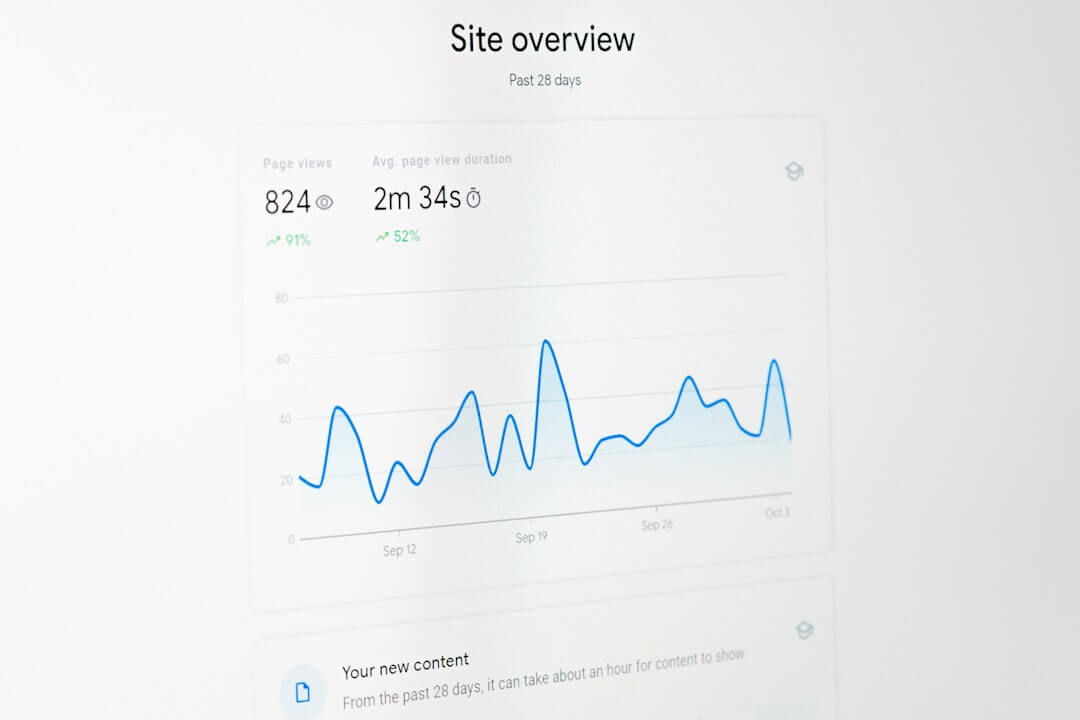 Backlinks remain a trust signal. They help search engines assess whether other sites find your content useful enough to reference.
Quality beats quantity more often than marketers would like to admit. Research cited by ROI Amplified highlights that trusted referring domains, editorial placement, natural anchor text, and real referral traffic tend to drive more value than piles of low-grade links (ROI Amplified).
| Signal | Why it matters | What to look for |
|---|---|---|
| Authority | Suggests the linking site is trusted | Established site with strong visibility |
| Relevance | Reinforces topical connection | Similar industry, audience, or subject |
| Placement | Editorial context improves credibility | Link placed in the main article body |
| Anchor text | Helps search engines interpret context | Natural, varied wording |
| Destination page | Determines whether the click is useful | Relevant, high-quality landing page |
Google’s spam systems are not fond of manipulation. That means links built through obvious schemes, irrelevant placements, or low-value pages may help very little or create risk instead.
Which signals matter more than people think?
The best backlinks usually make sense to a human before they make sense to an algorithm. If a journalist, editor, or reader would find the link useful, you are usually on firmer ground.
Referring domains matter more than sheer volume. Ten links from ten reputable and relevant sites often tell a stronger story than fifty links from the same mediocre corner of the internet.
- Editorial context: A link inside a real article tends to be stronger than one buried in a template page.
- Destination quality: Sending links to thin, vague, or salesy pages wastes the opportunity.
- Referral potential: Good links can send actual visitors, not just theoretical SEO vibes.
Do-follow links are generally preferred, but nofollow is not worthless. A nofollow mention on a credible publication can still bring exposure, branded search demand, and secondary link opportunities.
How do you earn high quality backlinks in practice?
 You earn better links by being worth citing. That usually means creating content, data, tools, opinions, or news that a publisher can reference without apologising to its readers.
Digital PR is often the cleanest route because it starts with a story, not a shortcut. When brands publish news, expert commentary, or useful resources, they create reasons for journalists and sites to mention them naturally.
- Choose a linkable asset. This could be original research, a useful guide, a strong founder insight, or a news announcement.
- Match the asset to the right audience. A niche trade publication and a broad business site serve different purposes.
- Make the page worth linking to. Clear headline, credible source, fast load speed, and obvious value are table stakes.
- Distribute or pitch with context. Explain why the story matters now, not merely why your company exists.
- Track referring domains, referral traffic, and assisted conversions. Otherwise you are just collecting screenshots.
Press coverage can support this process when used sensibly. A service like BrandPush can help brands distribute legitimate news content to broad media networks, which supports visibility and creates more opportunities for brand mentions, discovery, and link-earning assets to be found.
What mistakes weaken backlink quality?
 Most backlink problems begin with impatience. When teams chase volume, exact-match anchors, or irrelevant placements, quality usually falls off a cliff.
A weak destination page can ruin a good link. If the page is thin, confusing, or disconnected from the article context, the backlink has far less chance of helping users or search performance.
- Over-optimised anchor text: Repeating one keyword looks forced.
- Irrelevant sites: A link should make topical sense, not just exist.
- Low-value landing pages: Homepage dumping is not a strategy.
- Paid-looking patterns: If every link appears in suspiciously similar content, that is awkward for everyone.
Not every mention needs to point to a money page. Sometimes the best target is a helpful guide, category explainer, or original research page that deserves citations 🙂
How should brands use PR to support high quality backlinks?
 PR works best when it earns attention first and links second. That is less glamorous than “hack your rankings in 48 hours”, but it is also how grown-up marketing works.
A press release is useful when there is actual news behind it. Product launches, funding updates, partnerships, milestones, and market commentary can all create visibility that leads to mentions and, in some cases, editorial links.
For brands using press releases as part of search strategy, the smarter play is to combine distribution with pages that deserve citations. BrandPush’s press release writing guide is useful here because better structure improves the odds that your news is clear, quotable, and usable.
This approach is about discoverability, not fantasy maths. There is no reliable current industry data proving a standard ROI figure, a universal SEO lift, or a fixed monetary value for a single press release backlink, so any provider claiming neat guarantees is being rather optimistic.
| PR-led asset | Why it attracts links | Best destination |
|---|---|---|
| Company announcement | Timely and citable | Newsroom or announcement page |
| Original data | Referenced by writers and bloggers | Research page or report |
| Expert commentary | Useful for trend pieces | Author bio or insight page |
| Practical guide | Earns citations over time | Evergreen resource page |
The real benefit is compounding visibility. Coverage can create branded searches, secondary mentions, journalist discovery, and future links from sites that find your story after distribution.
What should you measure after earning backlinks?
 You cannot manage what you never bother to measure. Backlink reporting should look beyond link counts and into actual business impact.
Start with referring domains, not vanity totals. Then review referral traffic, ranking movement for relevant pages, branded search interest, assisted conversions, and whether the link came from a page people actually read.
- Referring domains: Count unique sites linking to you.
- Referral traffic: Check whether visitors arrive and engage.
- Ranking support: Look for gradual movement on connected topics.
- Conversion assistance: Measure sign-ups, leads, or enquiries influenced by the visit.
Expect gradual effects rather than fireworks. High quality backlinks tend to support authority over time, especially when they point to strong pages and fit a wider content and PR strategy 🔍
If you are building this into an ongoing campaign, keep your publishing cadence sensible and your assets useful. Brand visibility efforts tend to work better when press coverage, content quality, and technical SEO stop behaving like distant relatives at a wedding.
High quality backlinks are valuable because they reflect trust, relevance, and editorial judgement, not because they inflate a dashboard. The safest way to earn them is to create genuinely useful pages, give publishers a reason to mention you, and support that visibility with smart PR distribution through services like BrandPush when you have real news to share.
Frequently Asked Questions
What is the difference between a high quality backlink and a normal backlink?
A high quality backlink comes from a trusted, relevant site and appears naturally in useful editorial content. A normal backlink may simply exist without carrying much authority, relevance, or referral value.
Are do-follow backlinks always better than nofollow links?
Do-follow links usually pass more direct SEO value. Nofollow links can still be useful for brand visibility, referral traffic, and secondary link opportunities.
How many high quality backlinks do I need?
There is no fixed number because results depend on your niche, existing authority, competitors, and the pages being linked to. A few strong, relevant links can outperform a large batch of weak ones.
Can press releases help earn high quality backlinks?
Yes, but usually indirectly rather than magically. Press releases can increase visibility, create discoverable news assets, and lead to editorial mentions when the story is genuinely newsworthy.
Do backlinks to the homepage matter?
Yes, homepage links can support overall authority and brand trust. That said, links to relevant internal pages are often better when they match the topic of the referring article.
What anchor text is safest for backlink quality?
Natural anchor text is safest. A healthy profile usually includes branded anchors, plain URLs, generic phrases, and topical variations rather than repeated exact-match keywords.
Can low-quality backlinks hurt rankings?
They can, especially if they form manipulative patterns or come from spam-heavy environments. Google’s systems are designed to ignore or devalue many bad links, but a messy profile is still not something to collect as a hobby.
How long does it take for high quality backlinks to help SEO?
It usually takes weeks or months, not days. Search engines need time to crawl links, interpret context, and reflect any broader authority signals in rankings.