How to Get Featured on Yahoo Finance in 2026
Quick answer: To get featured on Yahoo Finance, you usually need a genuinely newsworthy announcement, a press release that meets editorial standards, and a distribution method that can syndicate business news to recognised outlets. It is not about charming the internet with vibes alone. The best results come from matching the right story to the right timing, then making it easy for editors and distribution partners to publish.
What does it actually mean to get featured on Yahoo Finance?
 Getting featured on Yahoo Finance usually means your press release or business announcement is syndicated to a Yahoo Finance page, rather than a staff journalist writing a bespoke profile.
That distinction matters because syndication is a structured PR process, while earned editorial coverage depends on a reporter independently choosing your story.
- Syndicated placement is the most common route for brands
- Editorial coverage is rarer and harder to control
- Newsworthiness still matters in both cases
What kinds of stories are most likely to qualify?
 Not every business update is news. The stories most likely to work have a clear commercial event, a public interest angle, or a measurable milestone.
Editors and distribution reviewers look for announcements that feel timely, specific, and relevant to a wider audience, not just flattering to the company.
- Product launches with a real market angle
- Funding rounds, acquisitions, and partnerships
- Major hiring, expansion, or geographic growth
- Research, reports, or data-led company findings
- Awards only when they are genuinely recognised
A weak angle is usually obvious. “We have redesigned our homepage” is not quite the financial news event the public has been waiting for.
How do you prepare a press release that stands a chance?
 A publishable release is clear before it is clever. Your headline, opening paragraph, and company boilerplate need to explain the news fast, because nobody is grading you on mystery.
The basic structure is predictable for a reason. It helps reviewers assess legitimacy, extract the facts, and decide whether the release is suitable for publication.
- Write a factual headline that names the company, action, and outcome.
- Open with the news immediately in the first paragraph.
- Add one strong quote from a founder or executive.
- Include supporting specifics such as dates, figures, locations, or launch details.
- Finish with a clean boilerplate and contact information.
Specificity improves credibility. If you need help shaping the release, BrandPush has a useful press release writing guide and a set of free press release templates that can save you from producing a corporate haiku by accident.
| Element | What good looks like | What to avoid |
|---|---|---|
| Headline | Clear, factual, timely | Hype, vague claims |
| Lead paragraph | News first, key details early | Long scene-setting |
| Quote | Human and specific | Empty praise |
| Body | Evidence, context, relevance | Repetition |
| Boilerplate | Short company summary | Full life story |
What happens during distribution and review?
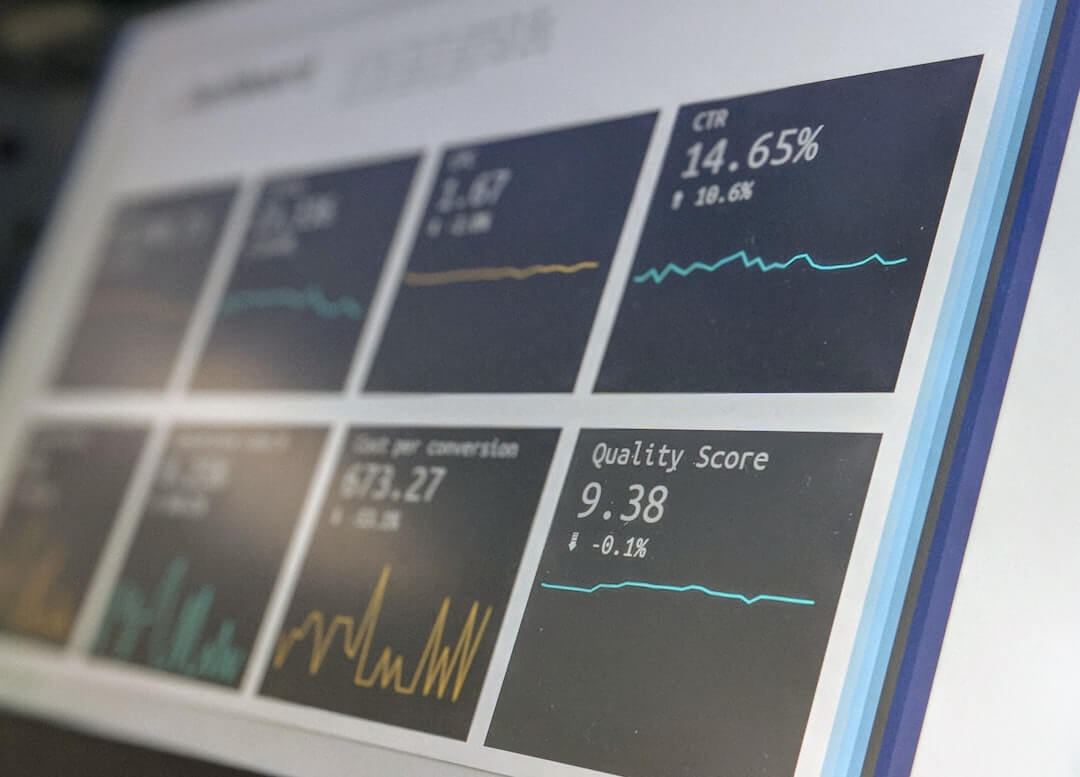 Distribution is a process, not a magic button. After submission, your release is typically reviewed for formatting, topic suitability, factual clarity, and policy compliance before it is pushed to participating outlets.
This is where many releases wobble. Dubious health claims, misleading financial statements, exaggerated promises, and thin affiliate-style content are common reasons for rejection or reduced pickup.
- Check whether your topic is eligible before ordering
- Remove unsupported superlatives and risky claims
- Make sure your website looks legitimate and up to date
- Use a real company email and clear contact details
Business legitimacy matters more than people expect. If your site looks unfinished, misleading, or suspicious, distribution reviewers are unlikely to treat the release kindly 🙂
How long does it take to get featured on Yahoo Finance?
 Most brands should expect days, not minutes. Writing, editing, review, approval, and live publication usually take a little time, even when the process is fairly streamlined.
A realistic timeline beats wishful thinking. Same-day miracles are lovely in cinema, but business distribution usually works on an operational schedule.
| Stage | Typical timing |
|---|---|
| Drafting the release | 1-3 days |
| Internal approval | 1-2 days |
| Distribution review | 1-3 business days |
| Pickup and publication | Varies by outlet |
Planning ahead is the sensible move. If your announcement is tied to a launch, funding close, event, or embargo, build in enough lead time to avoid announcing yesterday’s news tomorrow.
What does it cost, and what should you budget for?
 Pricing varies widely across the distribution market. Retrieved 2026 pricing references show local and national distribution can range from under $100 to $800+, depending on reach, format, and provider model.
The important lesson is not the exact number. It is that pricing often reflects distribution scope, review standards, and package inclusions rather than a guaranteed outcome on every individual outlet.
According to the retrieved pricing sources, some legacy distribution pricing examples include about $350 local and $805 national for a 400-word release with one provider, plus about $195 annual membership, while another was listed at roughly $475 local and $760+ national for similar reach. Lower-cost tiers also exist, including around $99 to $389 on one platform and $149.95 for a single release on another, though package rules vary by source and may change over time.
Treat pricing pages as moving targets. If you want a simpler done-for-you route for business news distribution, BrandPush offers pricing and package options with clear deliverables and example reporting, which is often easier than playing detective across half the internet.
What improves your chances of better pickup and visibility?
 Distribution gets the release out, but quality affects what happens next. A stronger announcement is more likely to be published cleanly, shared internally, and noticed by people who were not obliged to care.
Visibility compounds when the story is usable. That means a sensible headline, relevant category fit, and a landing page that matches the promise of the release.
- Publish a matching page on your site before the release goes live
- Use one primary message instead of six competing ones
- Add a founder quote that sounds human, not generated in a bunker
- Support claims with figures, dates, or proof points
- Share the live coverage across sales, social, and investor channels
Search visibility can benefit indirectly. Press release coverage can help with brand discovery, entity recognition, and trust signals, especially when people search your brand after seeing the news, as discussed in this BrandPush article on how press releases rank on Google.
What should you expect after publication?
A Yahoo Finance placement is useful, but it is not the whole strategy. The best brands treat it as an asset they can reuse in sales decks, investor conversations, website trust sections, and follow-on outreach.
Post-publication follow-through is where value often shows up. One live link is nice, but the broader credibility effect comes from how you package and reuse the coverage.
- Add the logo or mention to your press page if allowed
- Send the live coverage to leads who need trust signals
- Include it in fundraising or partnership materials
- Build a short case note around the announcement results
It also helps to track the basics. Measure referral traffic, branded search lift, lead quality, and whether the coverage supports conversion conversations rather than expecting a choir of instant backlinks to descend from the clouds.
Common mistakes that stop brands getting featured
 Most failed releases are not unlucky. They are simply undercooked, overhyped, or attached to businesses that look unready for public visibility.
The avoidable errors are remarkably consistent. That is good news, because fixing them is cheaper than inventing new ones.
- Announcing something that is not actually news
- Writing in ad copy instead of factual PR language
- Making claims you cannot support
- Using a weak or spammy-looking website
- Ignoring category restrictions and content policies
- Leaving out key facts, dates, or contact details
A little restraint goes a long way. If your release reads like a late-night sales script, reviewers and readers will both develop a sudden interest in literally anything else 😌
The strongest approach is boring in the best way. Be accurate, be specific, and make the business look real.
Getting featured on Yahoo Finance is usually less about hacks and more about newsworthiness, preparation, and credible distribution. If you have a legitimate business announcement and want a straightforward route to publication, BrandPush can help turn a solid release into visible coverage without requiring a PhD in distribution logistics.
Frequently Asked Questions
Can any business get featured on Yahoo Finance?
Not every business or topic will qualify. Acceptance depends on the legitimacy of the business, the quality of the release, and whether the subject fits distribution and publisher policies.
Is Yahoo Finance coverage the same as a journalist writing about my company?
No. In most cases, this type of placement is syndicated press release coverage rather than a bespoke article written by a staff reporter.
Do I need a press release to get featured on Yahoo Finance?
Usually, yes. A structured press release is the standard format used for business announcements and syndication workflows.
How newsworthy does my announcement need to be?
It needs to be clear, timely, and relevant beyond your internal team. Launches, partnerships, funding, expansion, and data-led findings tend to work better than general self-promotion.
How long does Yahoo Finance placement usually take?
It typically takes a few business days once the release is written and submitted, though timelines vary based on review and publication schedules. Brands should plan ahead if timing matters.
Is placement guaranteed if I pay for distribution?
No responsible provider should frame publication outcomes as universal guarantees across every outlet. Distribution improves access and visibility, but editorial policies and review rules still apply.
Does getting featured on Yahoo Finance help SEO?
It can support brand visibility and search discovery, but it should not be treated as a guaranteed SEO shortcut. The value is usually broader than one technical ranking signal.
What should be on my website before I distribute a release?
Your site should look legitimate, current, and easy to verify. Clear contact details, an about page, and a coherent business offer all help reviewers trust the release.
Can startups use Yahoo Finance distribution effectively?
Yes, if they have a real announcement and a credible online presence. Early-stage companies often use it for launches, funding updates, partnerships, and milestone credibility.
What is the simplest next step if I am ready?
Draft a factual release, confirm your topic is suitable, and choose a distribution path that matches your goals. If you want a done-for-you option, you can start with the BrandPush order form.