How to Choose a Press Release Distribution Service Without Falling for Hype
Quick answer: The best press release distribution services are not defined by vague reach claims or flashy logos. They are defined by fit for your goal, clarity on deliverables, and whether they help turn real news into discoverability, credibility, and media visibility.
Why this question is harder than it looks
 Choosing a distribution service sounds simple until every provider promises exposure, visibility, and something suspiciously close to destiny.
The problem is that reliable third-party market data, pricing benchmarks, readership figures, ROI studies, and backlink valuation data were not available in the research provided. That means sensible buyers need to judge services by process, transparency, and use case, not by chest-beating.
- Ignore vague claims that cannot be verified
- Match the service to the outcome you actually want
- Ask what happens after publication, not just where it might appear
Start with the outcome you actually want
 A press release is a tool, not a personality trait. If you do not know what success looks like, any package will sound plausible.
The strongest buying decision starts with a single question: what do you want this release to do? Common answers include brand credibility, search visibility, launch awareness, investor communication, or sales support.
| Goal | What to prioritise | What not to overvalue |
|---|---|---|
| Product launch | Speed, editorial cleanliness, broad visibility | Vanity metrics with no context |
| Brand credibility | Recognised publication placements, clean presentation | Massive outlet counts alone |
| SEO support | Indexable coverage, branded search lift, referral paths | Direct backlink promises |
| Fundraising news | Accuracy, compliance, business audience relevance | Hypey wording |
| Agency workflow | White-label options, approval flow, consistency | Unclear fulfilment process |
Different goals need different filters. A founder launching a product does not evaluate services the same way as an agency juggling ten clients and two mild emergencies before lunch.
What to check before you buy
 The useful questions are usually boring, which is annoying because boring questions save money.
Look for specific operational details instead of sweeping claims. If a service cannot explain how submissions work, what gets reviewed, what is included, and how reporting is handled, that is a clue in itself.
- Editorial review: Is the release checked for formatting, clarity, and policy issues?
- Publication expectations: Are example placements shown in a realistic way?
- Delivery reporting: Will you receive a report or live links after distribution?
- Turnaround time: How long from submission to publication is typical?
- Content support: Is writing help available if your draft is not ready?
- Topic eligibility: Are some industries or claims restricted?
A practical buyer also checks the workflow around the release. That includes headline quality, quote formatting, links, images, and whether the announcement is strong enough to survive contact with the internet.
If you need help on the content side, BrandPush offers a press release writing guide and an easy order form to get started when you already have news worth distributing.
What good distribution can realistically do
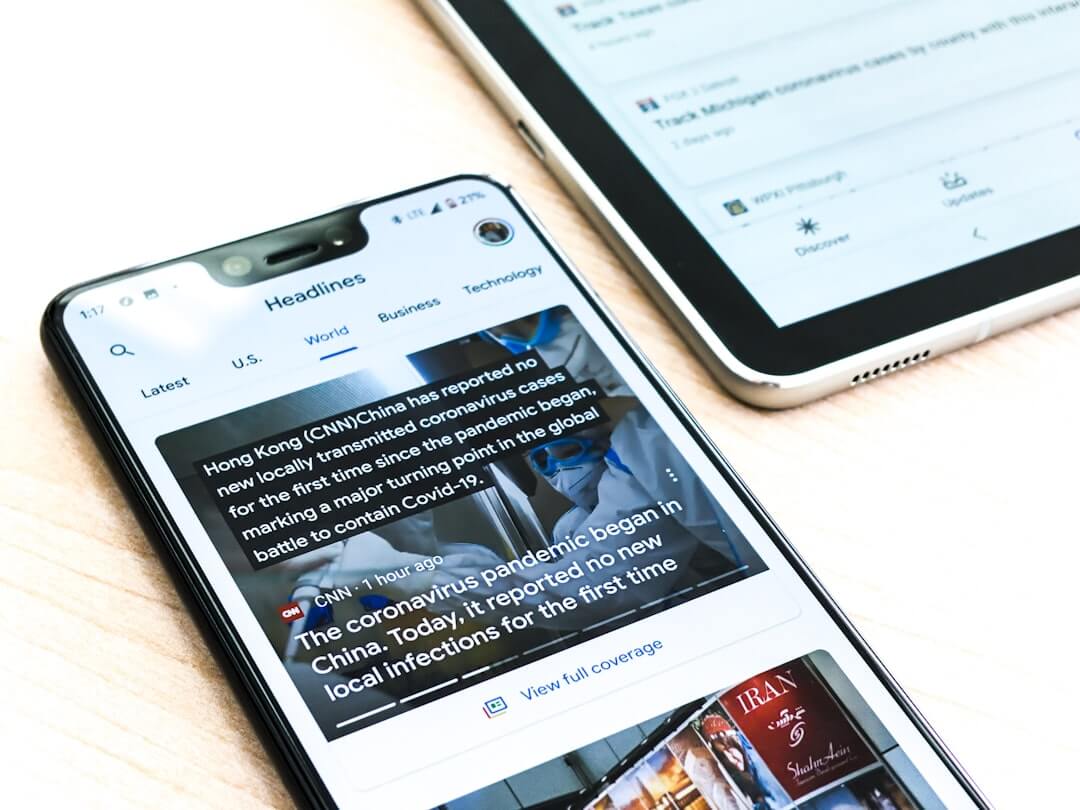 Good distribution can improve discoverability, credibility, and message control. It can also give your brand a cleaner footprint in search results when people look you up after hearing about you.
That matters because search behaviour is stubbornly human. According to HubSpot, people still use search heavily to research brands, and the content they find shapes trust before they ever convert.
A published release can support several outcomes at once:
- Create a searchable record of an announcement
- Strengthen branded search results with consistent messaging
- Support sales conversations with third-party publication visibility
- Give journalists and partners a clean source to reference
- Provide material for social, email, and investor updates 📌
What it usually does not do is guarantee earned editorial coverage, top rankings, or a miraculous flood of qualified leads before tea. If anyone implies otherwise, keep your wallet in a safe room.
What bad evaluation habits look like
 Most buyers make the same mistake: they judge the service by the biggest number on the page. That is often the outlet count, occasionally the turnaround, and sometimes a mystical reach figure with no source attached.
The research provided for this article found no reliable third-party data for current industry pricing, audience reach figures for major publication brands, measured ROI studies, or backlink value benchmarks. That means claims in those areas should be treated as marketing language unless supported by verifiable evidence.
Here are the habits to avoid:
- Buying based on outlet quantity alone
- Treating syndication as the same thing as earned journalism
- Assuming every published link has identical SEO value
- Confusing brand visibility with immediate sales impact
- Ignoring whether your announcement is actually newsworthy
This is why the phrase “best service” is usually the wrong question. The better question is which service fits this announcement, this budget, and this outcome.
How to assess the release itself before distribution
 A weak release cannot be rescued by a stronger checkout page. Distribution amplifies what you give it, which is excellent news if your announcement is solid and less excellent if it reads like internal company fan fiction.
Before you distribute, check whether the release has the basic ingredients of a usable story. That means a clear headline, a specific angle, a real reason for the announcement now, and details a reader can understand without corporate translation services.
- Headline: Say what happened in plain English.
- Lead paragraph: Cover who, what, when, where, and why it matters.
- Evidence: Include numbers, milestones, funding, customers, partnerships, or data where relevant.
- Quote: Use a human-sounding quote, not a laminated slogan.
- Boilerplate: Keep the company description concise and factual.
If your team gets stuck here, BrandPush also provides 15 free press release templates. Templates are not glamorous, but neither is rewriting a bad release at 11:40 pm.
A simple decision framework for choosing the right fit
 Use a framework, not a hunch. Hunches are charming right up until they invoice you.
A simple way to evaluate options is to score each one across five practical areas. You do not need perfect data, but you do need consistent criteria.
| Evaluation area | What to ask | Why it matters |
|---|---|---|
| Goal fit | Does this suit our launch, credibility, SEO, or investor aim? | Relevance beats generic reach |
| Content support | Will they help if the draft needs work? | Weak copy reduces results |
| Transparency | Are deliverables and expectations clearly explained? | Avoids disappointment |
| Reporting | Will we get links or a delivery report? | Lets you verify outcomes |
| Operational ease | Is the process simple for teams or agencies? | Saves time and reduces errors |
You can score each area from 1 to 5 and total the result. Anything that relies on mystery, abstraction, or heroic assumptions should lose points immediately.
This framework is especially useful for in-house marketers and agencies that need repeatable decisions. Consistency is not glamorous either, but it is how grown-up marketing teams avoid expensive nonsense 🙂
When BrandPush makes practical sense
 BrandPush makes sense when you want done-for-you press release distribution, straightforward workflow, and visible placements that support brand credibility and online discoverability.
It is particularly useful for startups, agencies, e-commerce brands, SaaS companies, and growing businesses that already have an announcement and want a cleaner route to publication. If you want to see what delivery looks like in practice, the pricing and package options page is the sensible next stop.
That said, even a strong service works best when the underlying news is real. A launch, funding announcement, milestone, partnership, expansion, report, or timely company update will usually travel much better than “we are thrilled to exist”.
A release should support a broader visibility strategy, not replace one. The best results usually come when distribution is paired with on-site content, branded search optimisation, follow-up outreach, and useful social promotion.
In the end, the best press release distribution service is the one that fits your goal, explains its process clearly, and helps your news become easier to find and trust. That is a much less dramatic answer than the internet prefers, but it is usually the one that works.
Frequently Asked Questions
What is the best press release distribution service?
The best press release distribution service is the one that best matches your specific goal, such as brand visibility, launch awareness, or search presence. There is no universal winner because outcomes depend on the quality of the news, the workflow, and what deliverables are actually included.
How do I compare press release distribution services?
Compare them using goal fit, transparency, turnaround time, reporting, and content support. Avoid judging only by outlet counts or broad reach claims without verifiable evidence.
Are more outlets always better?
No. A larger outlet number can sound impressive, but it does not automatically mean better visibility, better readers, or better business outcomes.
Do press release distribution services help SEO?
They can support SEO indirectly through discoverable published pages, branded search visibility, and secondary mentions. They should not be treated as a shortcut for guaranteed ranking gains or direct link value.
What should a good press release include?
A good release needs a clear headline, a timely angle, factual details, a useful quote, and a concise boilerplate. It should read like news, not like an internal congratulation memo.
Can distribution guarantee media coverage?
No. Distribution can place your release across publication networks, but it does not guarantee that journalists will write separate earned stories about it.
When should a business use press release distribution?
Use it when you have real news, such as a launch, funding round, partnership, expansion, report, acquisition, or significant milestone. If the announcement lacks a clear reason to matter now, hold off and sharpen the angle first.
How do I know if my announcement is newsworthy enough?
Ask whether someone outside your company would find the update relevant, timely, or useful. Specificity helps, and real evidence helps even more.
Is a press release mainly for startups?
No. Startups use them often, but established brands, agencies, e-commerce businesses, and professional services firms can all benefit when they have a genuine announcement.
What should I ask before placing an order?
Ask what is included, how long distribution takes, what kinds of reports you will receive, and whether your industry or topic is eligible. Also ask whether the service offers writing guidance if your release needs improvement first.