What Is Answer Engine Optimization and How Should Brands Use It in 2026?
Quick answer: Answer engine optimization is the practice of shaping content so AI search tools and answer engines can understand, extract, and cite it. In 2026, it matters because visibility is no longer only about ranking blue links, but also about appearing inside generated answers. Brands that publish clear, credible, structured information have a better chance of being mentioned when people ask AI tools what to buy, trust, or do next.
What is answer engine optimization?
 Answer engine optimization is about citation, not just ranking. It focuses on helping AI systems extract direct, trustworthy answers from your content.
Traditional SEO chases clicks, while AEO also chases mentions inside AI responses. A 2026 AEO guide describes the goal as earning citations in AI answers rather than only search result positions (Evergreen Media).
- Create content with direct answers near the top
- Use clear headings and predictable structure
- Support claims with sources, numbers, and credibility signals
Why does answer engine optimization matter in 2026?
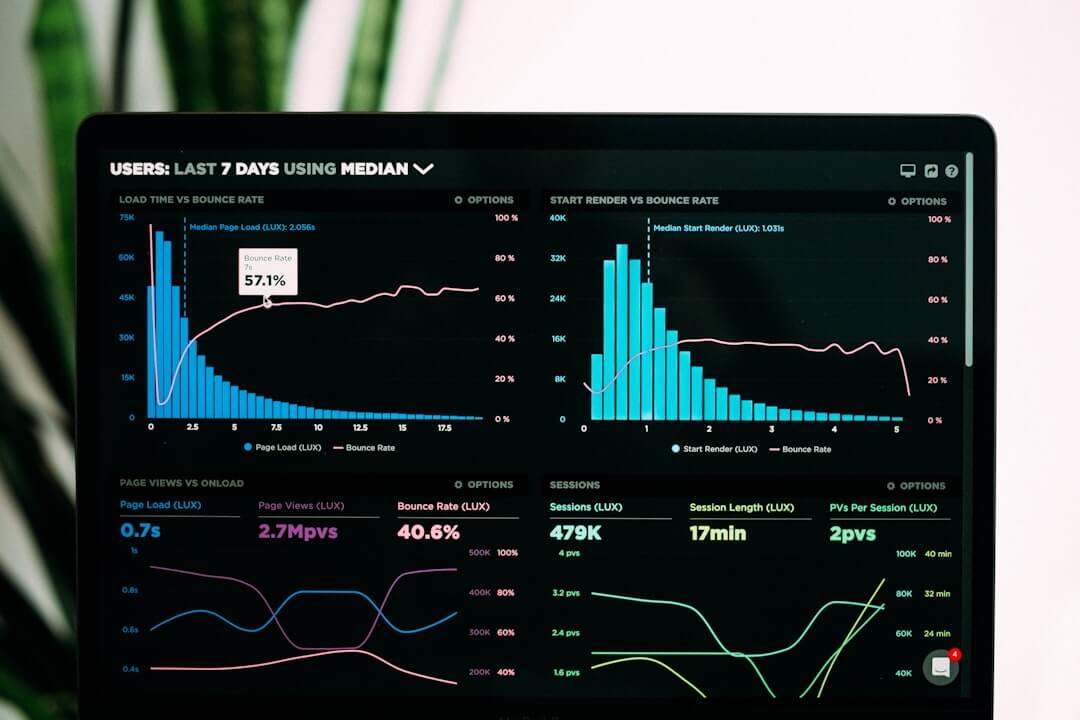 The market data suggests this is moving quickly. One forecast projects the global AEO market will reach USD 160.9 million in 2026 and then grow at a 43.4% CAGR to USD 4,134.6 million by 2035 (Dimension Market Research).
User behaviour is shifting faster than most content teams are comfortable admitting. A 2026 industry report said AI search queries surged 527% year over year, which is publisher-reported rather than a standardised market study, but still points to a very obvious trend: people are asking machines instead of typing ten-word Google queries like it is still 2014 🙂
Search visibility now has an extra layer. HubSpot’s 2026 AEO trends point to local visibility, answer-first content, entity consistency, AI visibility metrics, SEO integration, and multi-format publishing as the main shifts shaping the space (HubSpot).
| Signal | Why it matters for AEO | What to do |
|---|---|---|
| AI-generated answers | Brands can be cited without a click | Write quotable, direct responses |
| Entity consistency | AI systems rely on repeated facts | Keep company details identical across platforms |
| Structured content | Easier extraction by machines | Use headings, bullets, tables, and concise paragraphs |
| Credibility signals | Helps trust and citation likelihood | Include sources, expert quotes, and evidence |
How is AEO different from traditional SEO?
 AEO and SEO overlap, but they are not twins. SEO still matters because answer engines often pull from well-optimised pages, yet AEO asks a different question: can an AI model confidently lift and repeat your information?
The best approach is integration, not replacement. Several 2026 sources argue brands should combine SEO, PR, and broader visibility work rather than treating AEO as a separate circus tent with its own drum kit (RYGR).
- SEO helps you get discovered and indexed
- AEO helps you get extracted and cited
- PR helps you build third-party proof and broader trust
This is where many brand teams get stuck. They produce articles designed for rankings, but not for answer extraction, so the page might rank respectably while the AI summary politely ignores it.
What content is most likely to be cited by answer engines?
 AI systems prefer content that is easy to parse and easy to trust. That usually means pages with direct definitions, clean subheadings, short paragraphs, factual statements, statistics, and obvious source attribution.
Extractability is not glamorous, but it works. Evergreen Media notes that direct answers, structured content, and credibility signals improve citation potential, while another 2026 article recommends structured data, statistics, bullet points, and strong topical relevance for AI-friendly media content (Evergreen Media).
- Definition-led intros that answer the main query immediately
- FAQ sections with short, factual responses
- Tables that organise comparisons, timelines, or benchmarks
- Consistent brand facts such as name, founder, category, and location
- Original data, survey findings, or clearly attributed research
Press releases can help here if they are written like information assets, not corporate wallpaper. A good release gives answer engines clean facts about a launch, partnership, funding event, report, or milestone, especially when the claims are specific and the formatting is readable.
How should brands build an answer engine optimization strategy?
 Start with questions, not keywords alone. AEO works best when you map the exact questions customers ask before buying, comparing, trusting, or contacting a brand.
The practical workflow is less mysterious than people pretend. It is mostly disciplined publishing, strong evidence, and consistency across owned and earned media.
- List high-intent questions. Focus on queries such as what, how, why, when, cost, worth it, mistakes, and alternatives.
- Create one page per answer. Each page should target a single clear question and answer it in the opening lines.
- Add proof. Use named sources, statistics, examples, and precise claims rather than vague marketing fog.
- Structure ruthlessly. Use
##headings, bullet lists, tables, and concise FAQ responses. - Reinforce your entity. Keep your brand description, founder names, location, and offering consistent across your site and external coverage.
- Publish supporting PR content. News coverage and press releases can create additional machine-readable references that support trust.
AEO is also a distribution problem. Publishing the perfect answer on a forgotten page helps nobody, including the machine trying to summarise your expertise.
This is where digital PR becomes useful rather than decorative. If you have genuinely newsworthy updates, a service like BrandPush can help distribute releases that place your brand across recognised outlets, giving AI systems more places to encounter consistent facts about your company.
Where do press releases fit into answer engine optimization?
 Press releases support AEO when they add verifiable facts to the web. They are particularly useful for launches, funding news, executive appointments, partnerships, research findings, and milestone announcements.
The key is to optimise for extraction, not waffle. That means a clear headline, a direct first paragraph, supporting numbers, a short boilerplate, and factual language that an AI tool can quote without needing therapy.
| Press release element | AEO value | Better approach |
|---|---|---|
| Headline | Helps define the topic instantly | Make it specific and factual |
| First paragraph | Often carries the main extractable answer | State who, what, when, and why early |
| Statistics | Increases authority and quotability | Use sourced, recent numbers |
| Bullet points | Improves scanability and extraction | Summarise key facts cleanly |
| Boilerplate | Reinforces entity consistency | Keep brand description stable everywhere |
Distribution also affects discoverability. A press release placed across multiple relevant outlets gives your announcement more chances to be crawled, indexed, summarised, and cited as part of the wider web record.
If you are preparing a release for AI-era visibility, formatting matters more than ego. BrandPush also has a useful press release writing guide if your draft currently sounds like it was approved by twelve committees and a legal intern.
How should you measure answer engine optimization results?
 Rankings alone are not enough anymore. The more useful measurement model tracks whether your brand appears in AI answers, whether those mentions drive visits, and whether those visits lead to revenue.
The core metrics are surprisingly sensible. Evergreen Media recommends measuring citations in AI platforms, referral traffic from AI sources, and revenue attribution in analytics rather than focusing only on standard organic positions (Evergreen Media).
- Mentions or citations in AI-generated answers
- Referral sessions from AI tools where trackable
- Growth in branded search and direct traffic
- Assisted conversions after media coverage or answer visibility
- Share of key question pages indexed and updated
You should also watch lagging indicators. Better AEO often shows up indirectly through stronger branded search, more journalist discovery, improved trust signals, and more consistent messaging across channels 📈
For press release-led campaigns, measure outcomes in layers. Track publication placements, brand mentions, indexed pages, referral visits, and any changes in branded queries or lead quality after distribution.
What should brands realistically expect from AEO?
 AEO is promising, but it is not magic. Most brands will not dominate AI answers overnight, and many industries still have patchy attribution because AI platforms are not exactly famous for tidy reporting.
What you can expect is incremental visibility compounding over time. Strong answer pages, consistent entity signals, and credible media mentions tend to make a brand easier for both search engines and answer engines to understand.
Budget expectations should also remain sane. A 2026 pricing guide says many businesses spend between $49 and $800 per release, with enterprise newswire-style distribution often starting around $1,000 before add-ons, while another article places premium distribution as high as $2,500+ depending on scope and multimedia.
| Activity | Typical expectation | Likely timeframe |
|---|---|---|
| Updating existing pages for direct answers | Faster improvement in extractability | 2-6 weeks |
| Publishing new answer-led pages | Broader topic coverage | 1-3 months |
| Running PR around real announcements | More citations and web references | 1-8 weeks |
| Building consistent entity signals | Better trust and recognition | Ongoing |
The sensible play is to treat AEO as part of a broader visibility system. SEO brings discoverability, PR brings proof, and AEO makes your information easier for machines to quote.
If you already have news to share, use it properly. BrandPush can fit into that process by helping brands distribute credible announcements at scale, especially when the goal is to create consistent public references rather than simply admiring your own headline in a draft folder.
Answer engine optimization is really about being the easiest credible source to quote. Brands that publish direct answers, keep their facts consistent, and support claims with evidence are more likely to appear in AI-generated responses.
The opportunity is practical, not mystical. Build answer-first pages, reinforce them with digital PR, and measure citations alongside traffic and conversions if you want AEO to become a useful marketing channel rather than a fashionable acronym.
Frequently Asked Questions
What is answer engine optimization in simple terms?
Answer engine optimization is the process of making your content easier for AI tools to understand, extract, and cite. It focuses on winning mentions in generated answers, not only clicks from search results.
Is answer engine optimization the same as SEO?
No, but they overlap heavily. SEO helps your content get found, while AEO helps it get quoted or summarised by answer engines.
Why is answer engine optimization becoming important now?
AI-assisted search behaviour is growing, and brands increasingly need visibility inside generated answers. Market forecasts and 2026 trend reporting both suggest AEO is moving from niche tactic to mainstream visibility work.
What type of content works best for AEO?
Content with direct answers, strong headings, short paragraphs, bullet points, statistics, and source attribution performs best. FAQ pages, explainers, glossaries, and practical how-to pages are especially useful.
Can press releases help with answer engine optimization?
Yes, if they publish clear, verifiable facts across trusted outlets. They work best for genuine news such as launches, funding, research, partnerships, or major milestones.
How do you measure answer engine optimization success?
Track citations in AI tools, referral traffic from AI sources where available, and downstream conversions. Also watch branded search growth, media mentions, and the performance of answer-focused pages.
How long does AEO take to work?
Simple page improvements can help within weeks, especially if you tighten structure and clarity. Broader authority and citation gains usually take months because they depend on publishing consistency and external references.
Does AEO replace digital PR?
No. Digital PR supports AEO by creating third-party proof and additional public references that AI systems can find and cite.
Should small businesses care about answer engine optimization?
Yes, especially if they rely on clear category positioning, local visibility, or expert trust. Smaller brands can compete by publishing sharper answers and more consistent factual content than larger, slower organisations.